






















How to Perform an Effective Bacterial Endotoxin Test: A Step-by-Step Guide
Last Updated on August 30, 2026
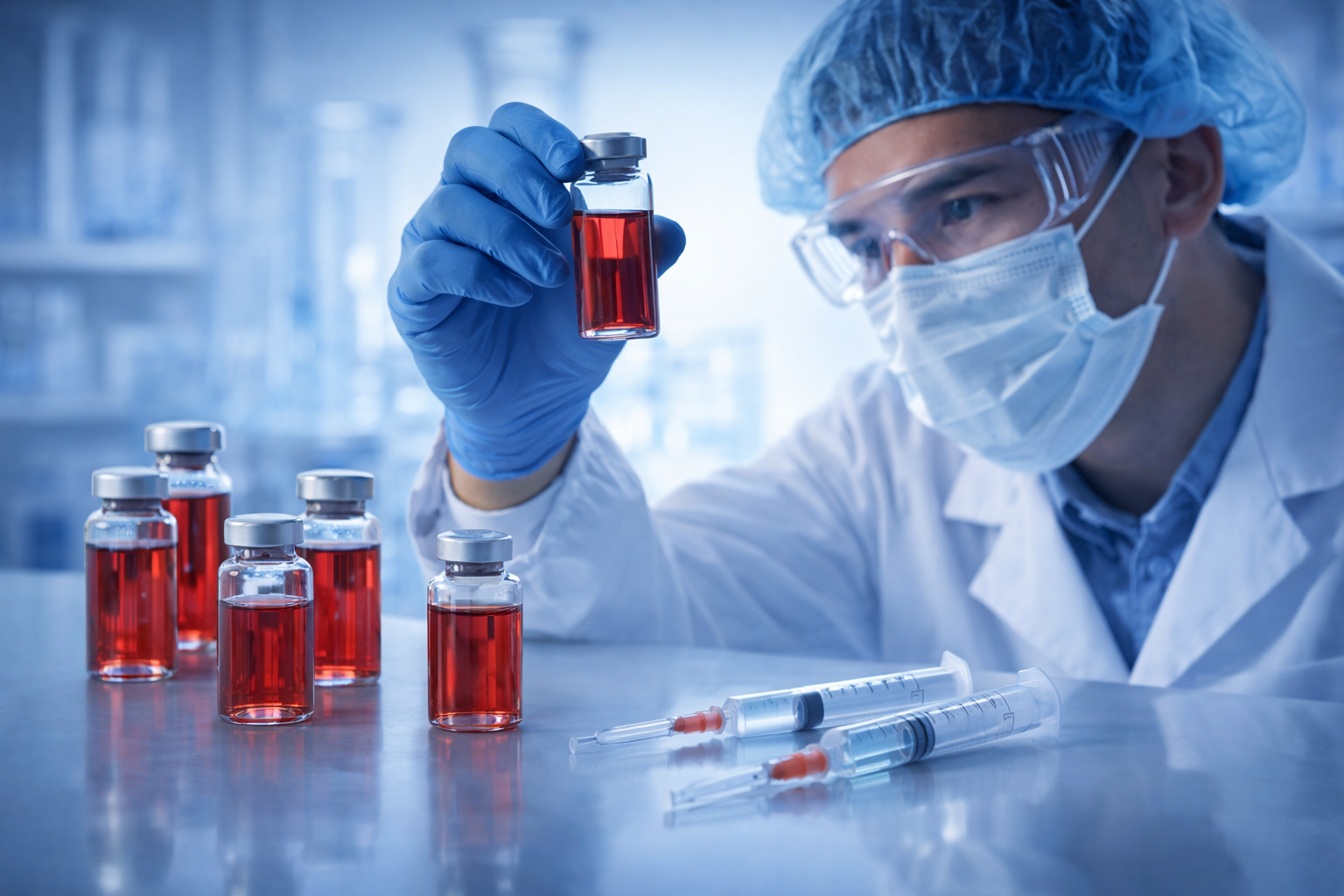
Bacterial endotoxin testing (BET) is a critical quality control process in pharmaceutical manufacturing. It confirms that drug products, medical devices, and biologics are free from harmful endotoxins before they reach patients. Endotoxins, released by Gram-negative bacteria, can trigger fever, septic shock, and organ failure if they enter the human body. That makes a reliable bacterial endotoxin test essential for both patient safety and regulatory compliance.
This step-by-step guide walks you through how to perform bacterial endotoxin testing correctly, from understanding regulatory requirements to choosing a test method, running the assay, and documenting your results.
Step 1: Understand Regulatory Requirements for Endotoxin Testing
Before you begin testing, get familiar with the regulatory framework governing bacterial endotoxin testing. Agencies such as the U.S. Food and Drug Administration (FDA), the European Medicines Agency (EMA), and the World Health Organization (WHO) each publish specific guidelines for endotoxin testing in pharmaceuticals and medical devices. Key requirements include:
- Endotoxin limits: Regulators set maximum allowable endotoxin levels based on product type for example, intravenous drugs versus surgical implants.
- Approved test methods: The Limulus Amebocyte Lysate (LAL) assay remains the most widely used method, though recombinant alternatives are gaining traction.
- Testing frequency: Testing is typically required at multiple production stages, including raw material testing, in-process testing, and final product release testing.
Confirm which specific guidelines apply to your product and region so you stay compliant from raw materials through final release.
Read More: FDA Regulations and Medical Device Testing
Step 2: Choose the Right Endotoxin Test Method
The industry-standard approach for bacterial endotoxin testing is the Limulus Amebocyte Lysate (LAL) assay. Within LAL testing, three main methods are available, and choosing the right one depends on your product and testing goals:
- Gel-Clot Method: The simplest and most cost-effective option. LAL reagent is mixed with the sample, and gel formation signals the presence of endotoxins. This qualitative method works well for routine testing.
- Turbidimetric Method: Measures the increase in turbidity, or cloudiness, as endotoxins react with the LAL reagent. This quantitative method delivers precise numerical results.
- Chromogenic Method: Relies on a color-change reaction triggered by endotoxins. It’s quantitative, can be automated for high-throughput testing, and is ideal when high sensitivity and precision are required.
Base your choice on the sensitivity, product type, and regulatory requirements specific to your test.
Read More: Understanding Bacterial Endotoxins Method Validations
Step 3: Prepare Materials and Equipment for the Endotoxin Test
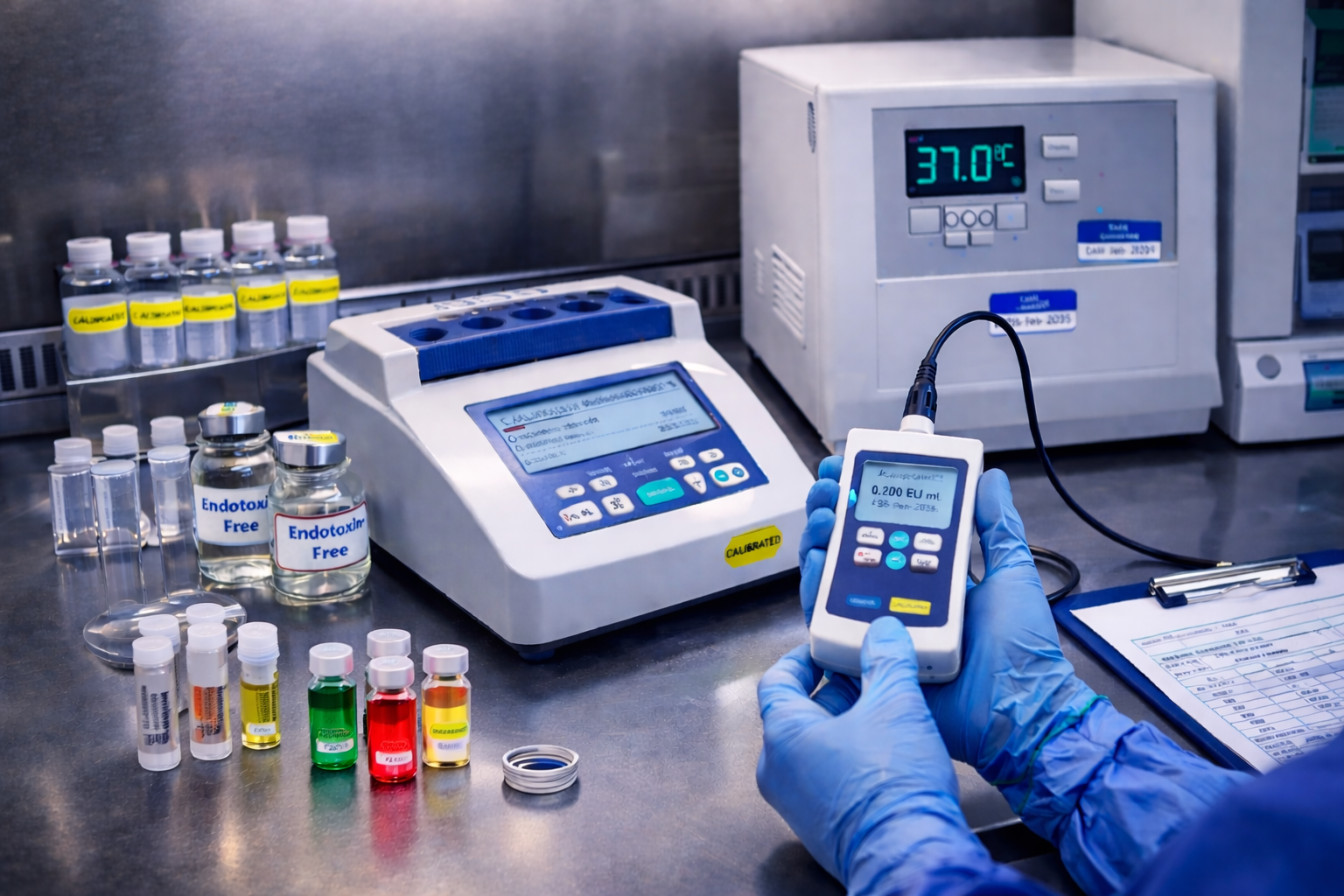
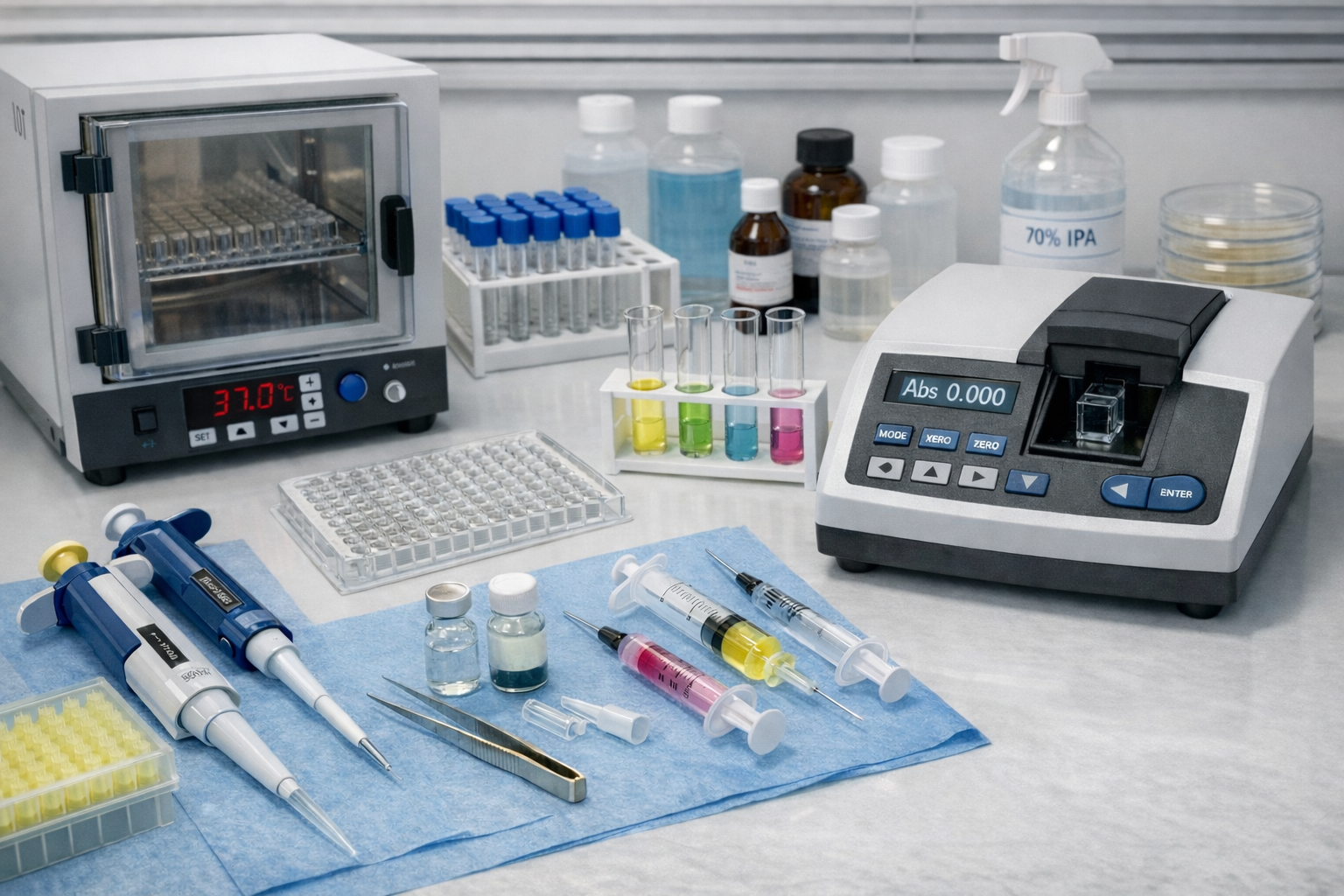
Before running an endotoxin test, gather the following materials and equipment:
Materials
- LAL Reagent: Derived from horseshoe crab blood, this reagent reacts with endotoxins. Use fresh, properly stored reagent, since its effectiveness declines over time.
- Test Sample: Raw materials, drug products, or medical devices, prepared and sterilized according to manufacturer guidelines.
- Endotoxin Standard: A reference endotoxin solution used for calibration and comparison, ensuring accurate results.
- Water for Injection (WFI): Endotoxin-free water for dilution and sample preparation, free of microbial contamination to prevent cross-contamination.
Equipment
- Microplates or Test Tubes: Microplates for the turbidimetric and chromogenic methods, or test tubes for the gel-clot method.
- Incubator: Set to the appropriate reaction temperature, typically 37°C.
- Spectrophotometer (for the turbidimetric method): Measures sample absorbance to produce quantitative results.
- Pipettes and Syringes: Precision instruments for accurate measurement of reagents and samples.
Clean and sterilize all equipment beforehand to prevent cross-contamination that could skew your results.
Read More: Sterility Testing: Ensuring Medical Device Safety
Step 4: Perform the Bacterial Endotoxin Test
Gel-Clot Method
- Prepare the reagent: Mix the LAL reagent with the sample in a clean test tube.
- Incubate: Incubate the tube at 37°C for the specified period, usually 60–90 minutes.
- Observe: Check for gel formation after incubation. Gel formation indicates endotoxin presence and is typically graded by the strength of the reaction.
Turbidimetric Method
- Prepare the reagent: Combine the LAL reagent with the sample and endotoxin standard in a microplate or test tube.
- Incubate: Incubate the solution at 37°C for the required time, usually 60 minutes.
- Measure absorbance: Use a spectrophotometer to measure absorbance. Turbidity increases in proportion to the endotoxin level present.
- Calculate the concentration: Use a standard curve built from the endotoxin standard to calculate the endotoxin concentration in the sample.
Chromogenic Method
- Prepare the reagent: Add the LAL reagent and chromogenic substrate to the sample.
- Incubate: Incubate the sample at 37°C for the specified time.
- Measure the color change: Measure color intensity with a spectrophotometer; the color change is proportional to endotoxin concentration.
- Quantify: Calculate the endotoxin concentration by comparing results against the standard endotoxin solution.
Step 5: Interpret Your Endotoxin Test Results
- Gel-Clot Method: A gel forming in the test tube indicates the presence of endotoxins. Gel intensity can help grade the reaction, but this method is generally qualitative rather than quantitative.
- Turbidimetric and Chromogenic Methods: For these quantitative methods, use the standard curve to calculate endotoxin concentration, then compare results against the limits set in regulatory guidelines. If levels exceed the allowed limit, the product must be reprocessed or discarded.
Step 6: Report the Findings
Once you’ve interpreted the results, compile a report that includes:
- The test method used.
- The sample preparation process.
- The endotoxin concentration detected.
- Any discrepancies or potential issues, such as endotoxin limits being exceeded.
A thorough report that follows regulatory reporting guidelines keeps your process compliant and transparent.
Step 7: Take Corrective Action if Endotoxin Levels Exceed Limits
If endotoxin levels exceed regulatory limits, corrective action is required. This may involve:
- Investigating the source of contamination: Review manufacturing processes, raw materials, equipment, and storage conditions to pinpoint where endotoxin contamination originated.
- Reprocessing the product: Adjust the manufacturing or sterilization process, where possible, to bring endotoxin levels back into compliance.
- Implementing preventive measures: Strengthen monitoring and control measures to prevent future contamination.
Step 8: Document and Maintain Testing Records
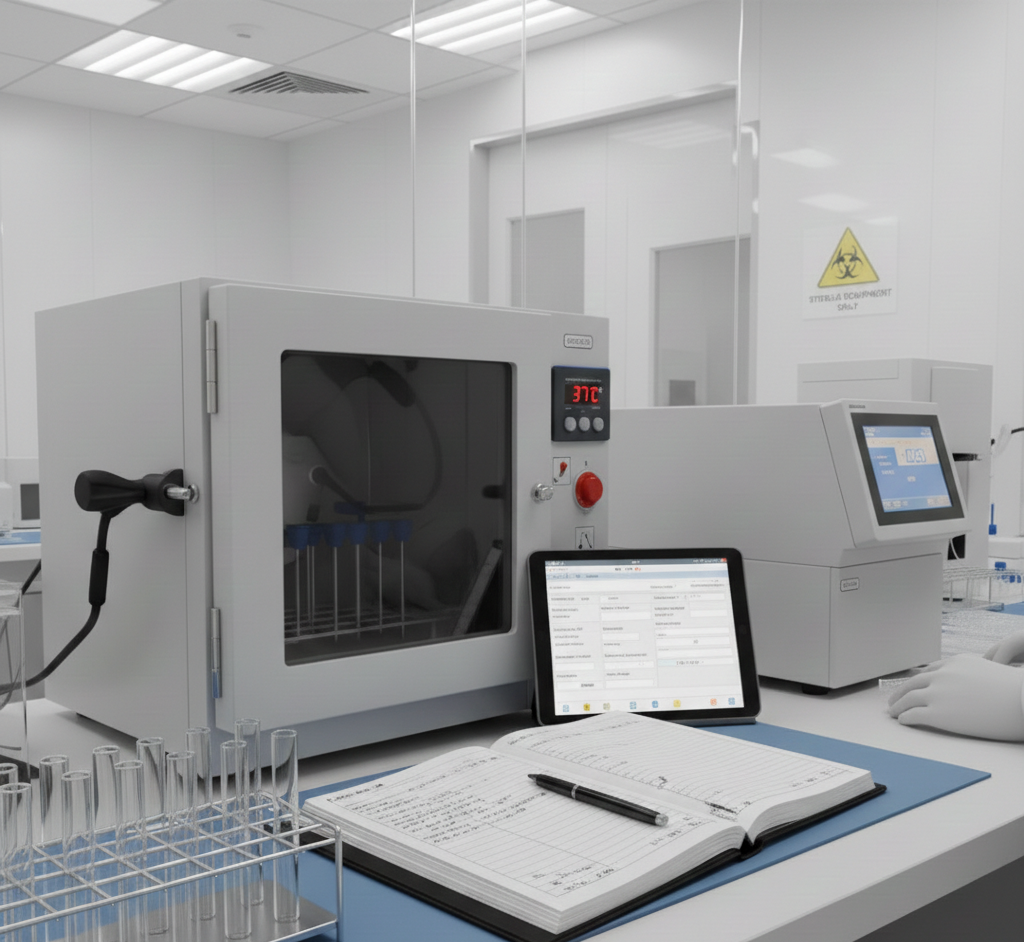
Keep detailed records of every endotoxin test, including the test method, reagents used, results, and any corrective actions taken. These records support regulatory compliance and serve as a reference for future testing cycles.
Final Thoughts on Bacterial Endotoxin Testing
Bacterial endotoxin testing (BET) is a cornerstone of pharmaceutical quality control. Following the steps in this guide from understanding regulatory requirements to selecting the right method, executing the test, and maintaining accurate records helps ensure your products are free from endotoxin contamination, compliant with regulatory standards, and safe for patient use. Getting BET right takes careful preparation, precise execution, and consistent adherence to best practices.
Read More: Bacterial Endotoxin Testing (BET): A Detailed Overview
How Prewel Labs Can Help
At Prewel Labs, we specialize in bacterial endotoxin testing using the Limulus Amebocyte Lysate (LAL) assay and other advanced methods. Our team delivers expert testing services to ensure your pharmaceutical products, medical devices, and biologics are safe and compliant with regulatory requirements. We offer:
- Endotoxin testing for raw materials, in-process testing, and final products.
- Guidance on regulatory compliance to help you navigate complex guidelines.
- Comprehensive testing solutions tailored to your specific needs.
Partner with Prewel Labs for accurate, reliable, and timely endotoxin testing that safeguards patient health and ensures product quality.


