





















RO Water Dialysis Testing: Best Practices & Protocols Guide
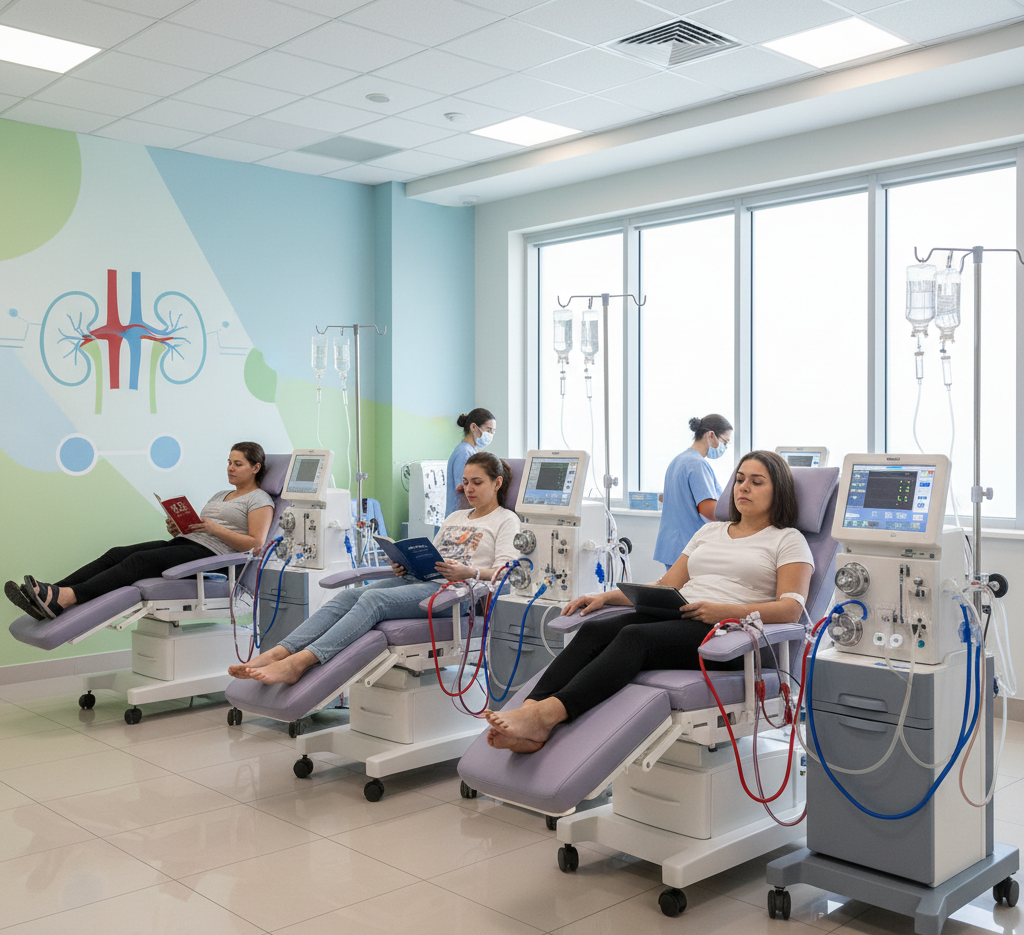
Reverse Osmosis (RO) water systems are central to hemodialysis, supplying the purified water used throughout the treatment process. Because dialysis patients are exposed to large volumes of this water during every session, its quality has a direct impact on patient safety contaminants or impurities that would be harmless in drinking water can trigger infections, pyrogenic reactions, or toxin buildup in a dialysis patient. That’s why rigorous, routine RO water testing for dialysis is required to confirm the water meets recognized standards, including those set by the Association for the Advancement of Medical Instrumentation (AAMI).
In this guide, we’ll walk through what RO water dialysis testing involves, the parameters it covers, and the best practices that keep dialysis facilities compliant and patients safe. A structured RO Water Dialysis Testing program helps dialysis centers maintain consistent water purity and regulatory compliance.
What Is RO Water in Dialysis?
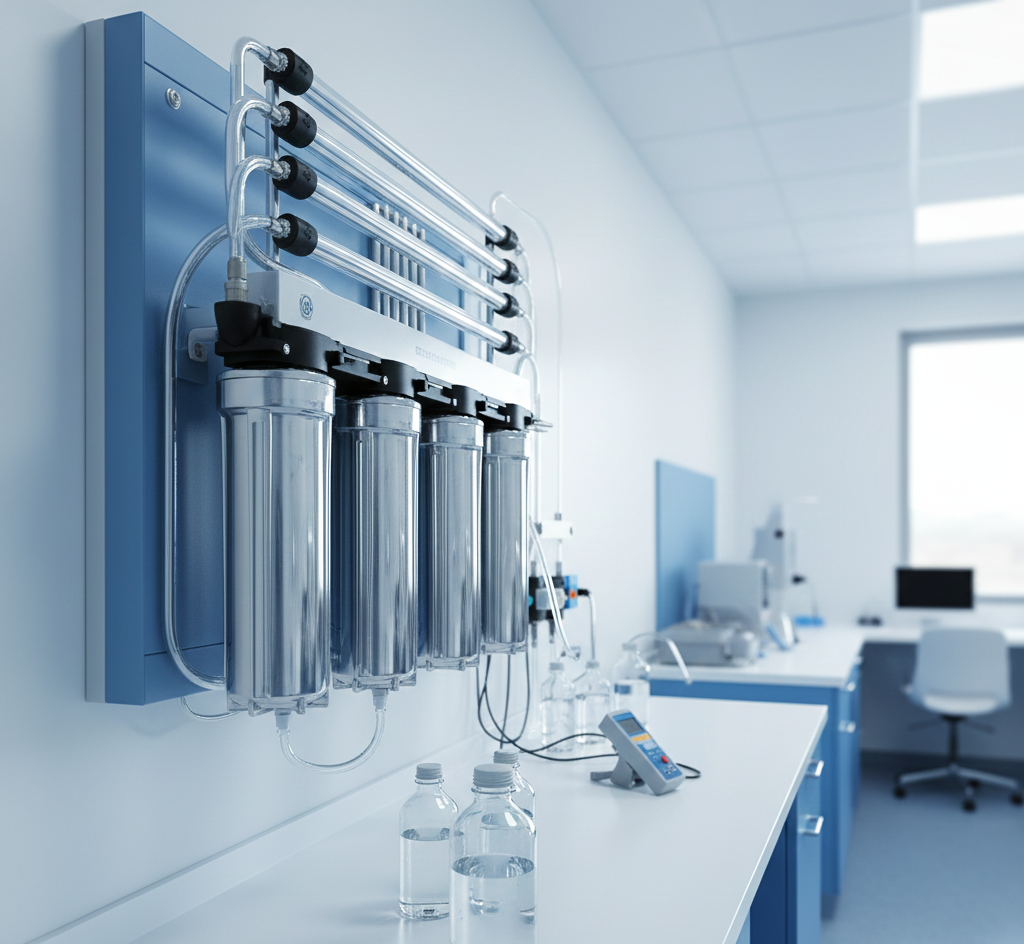
RO water is produced by forcing untreated tap water through a semi-permeable membrane that removes most dissolved salts, bacteria, and other impurities. This purification step is essential because dialysis patients are especially sensitive to contaminants that a healthy kidney would normally filter out. Water used in dialysis must meet strict purity standards to avoid complications such as pyrogenic reactions, infections, or electrolyte imbalances. These requirements align with specifications outlined in the European Pharmacopoeia as well as AAMI guidance. Without proper RO water dialysis testing, contaminants can go undetected and put patients undergoing treatment at serious risk.
Why RO Water Testing Is Crucial in Dialysis
The primary goal of RO water testing is to confirm the water used in dialysis is free from harmful contaminants. Contamination can enter the system from several sources:
- Source water contamination — If the incoming tap water itself carries heavy metals, chlorine, or bacteria, the RO system may not remove all of it effectively.
- RO system malfunction — A damaged membrane or a worn filter can allow residual contaminants to pass through.
- Storage and distribution issues — Water quality can degrade if storage tanks or distribution lines aren’t regularly maintained and disinfected.
Skipping regular testing can expose dialysis patients to serious health risks, including sepsis, pyrogenic reactions, or water-related toxicity — risks reinforced by infection-prevention guidance from the Centers for Disease Control and Prevention (CDC).
Key Parameters for RO Water Dialysis Testing
A complete RO water dialysis testing program covers several critical parameters, each with its own safe limit and test method.
1. Endotoxins (Pyrogens)
Endotoxin monitoring is a core part of any RO water dialysis testing strategy. Endotoxins, which originate from bacterial contamination, are one of the most closely watched markers in dialysis water — even small amounts can trigger serious reactions in patients. The standard limit for endotoxins in dialysis water is typically 0.25 EU/mL.
Test method: The Limulus Amebocyte Lysate (LAL) assay is the standard method for detecting endotoxins in water.
Read more: Bacterial Endotoxin Testing (BET): A Detailed Overview
2. Chlorine and Chloramine Levels
Chlorine and chloramines are added during municipal water treatment but are toxic to dialysis patients — even trace amounts can cause hemolysis (destruction of red blood cells) during treatment.
Test method: Chlorine test strips or a colorimetric method are used to measure chlorine and chloramine levels.
3. Total Dissolved Solids (TDS)
TDS reflects the concentration of dissolved substances in water, including salts, minerals, and metals. High TDS levels can compromise both dialysis quality and the performance of the RO system itself.
Test method: A TDS meter measures water conductivity, which correlates directly with total dissolved solids.
4. pH Level
The pH of dialysis water needs to stay within a specific range — typically 6.5 to 7.5 — to avoid chemical imbalances in patients.
Test method: A pH meter or pH test strips measure the water’s acidity or alkalinity.
5. Microbial Contamination (Bacteria)
The RO process significantly reduces bacterial load, but testing for residual bacteria is still essential to prevent infection.
Test method: Microbial culture tests or ATP bioluminescence assays detect viable microorganisms in the water.
6. Heavy Metals
Heavy metals such as lead, mercury, or cadmium can be harmful to dialysis patients, making heavy metal testing an essential part of water safety screening.
Test method: Atomic absorption spectroscopy (AAS) or ICP-MS (Inductively Coupled Plasma Mass Spectrometry) detects trace amounts of heavy metals in water.
7. Alkalinity and Hardness
Excessive hardness or alkalinity in RO water can affect dialysis equipment performance and lead to scaling within the system.
Test method: Titration methods are typically used to test for hardness and alkalinity.
Best Practices for RO Water Dialysis Testing
Test on a Routine Schedule
RO water testing should happen regularly to ensure consistent water quality — daily or weekly, depending on the facility’s usage. Testing should also be conducted after any maintenance or changes to the RO system.
Follow Manufacturer Guidelines
Testing protocols can vary by equipment, so always follow the manufacturer’s guidelines for testing frequency and procedure.
Use Proper Sampling Techniques
Collect samples from multiple points in the system — feed water, treated water, and the storage tank — to confirm water quality stays consistent throughout the entire process.
Calibrate Testing Equipment
pH meters, TDS meters, and LAL assay equipment should be calibrated on a regular schedule to keep results accurate and reliable.
Read more: Sterility Testing: Ensuring Medical Device Safety
Document and Stay Compliant
Keeping thorough records of RO water testing results is vital for regulatory compliance and internal quality assurance, and it helps identify trends or recurring issues before they escalate.
Maintain the RO System Proactively
Regular maintenance — replacing filters, cleaning membranes, and checking for leaks or cracks — keeps contaminants from bypassing the RO process. Preventive maintenance directly supports the long-term reliability of any RO water dialysis testing program.
Train Personnel Thoroughly
Staff performing RO water testing need solid training in sampling, testing, and interpreting results, along with a clear understanding of how to respond when results exceed safe limits. Proper training keeps testing accurate and consistent across every shift.
Step-by-Step Protocol for RO Water Dialysis Testing
- Collect samples. Draw water from multiple points in the RO system — feed water, post-RO treatment, and final storage — using clean, sterile containers.
- Run the required tests. Test for endotoxins, chlorine, TDS, pH, microbial contamination, and heavy metals per the parameters above. For endotoxin testing, use the LAL assay and prepare samples carefully to avoid cross-contamination.
- Interpret the results. Compare results against established safe limits. If any parameter falls outside range, corrective action should begin immediately.
- Take corrective action. Inspect and repair the RO system as needed — this may mean replacing filters or membranes, or disinfecting the system.
- Record and report. Document all results, corrective actions, and maintenance performed, and keep records accessible for audits and regulatory inspections.
Read more: Nurturing Health and Environment Through Water Quality Testing
Frequently Asked Questions
How often should RO water be tested in a dialysis facility?
Testing frequency depends on facility usage and equipment manufacturer guidelines, but many facilities test daily or weekly, and always after any maintenance or system changes.
What is the endotoxin limit for dialysis water?
The standard limit for endotoxins in dialysis water is typically 0.25 EU/mL, tested using the Limulus Amebocyte Lysate (LAL) assay.
Why is chlorine tested in RO water for dialysis?
Chlorine and chloramines used in municipal water treatment are toxic to dialysis patients — even trace amounts can cause hemolysis during treatment — so they must be tested and removed before the water reaches patients.
How Prewel Labs Can Help You
At Prewel Labs, we specialize in water testing solutions for dialysis systems, helping ensure your RO water meets the stringent purity standards patient safety requires. Our testing services cover endotoxin detection, microbial testing, heavy metal analysis, TDS measurement, and more. With advanced testing equipment and an experienced team, we help dialysis centers maintain optimal water quality, stay compliant with regulatory standards, and safeguard patient health. Let Prewel Labs help you ensure the highest quality dialysis water for your patients.