





















The Importance of RO Water in Dialysis: Ensuring Quality and Safety
Dialysis is a life-sustaining procedure for individuals suffering from kidney failure. Since the kidneys are responsible for filtering waste and excess fluids from the blood, their failure necessitates artificial filtration methods such as hemodialysis. The quality of water used in hemodialysis is paramount, as patients are directly exposed to large volumes of this water. Even trace contaminants can lead to severe health complications, including infections, metabolic disorders, and cardiovascular risks.
Reverse Osmosis (RO) water purification is the gold standard in dialysis water treatment, ensuring that the water used meets the highest safety and quality standards. This blog explores the importance of RO water in dialysis, its purification process, regulatory requirements, common challenges, and how it safeguards patient health.
Understanding RO Water Purification in Dialysis
Reverse Osmosis (RO) is a highly advanced water purification technology designed to remove impurities, contaminants, and microbial load from water. In dialysis, RO systems ensure that the water used to prepare dialysate is free from toxins, heavy metals, bacteria, and other harmful substances that could jeopardize patient safety.
How RO Works
RO water purification involves multiple filtration steps, each contributing to the removal of specific contaminants:
- Pre-Filtration: Large particles, sediments, and chlorine are removed to protect the RO membrane and extend its lifespan.
- Activated Carbon Filtration: Eliminates chlorine, chloramines, and organic contaminants that could degrade the membrane.
- Reverse Osmosis Process: Utilizes a semipermeable membrane that removes dissolved salts, bacteria, viruses, and heavy metals, ensuring high purity.
- Deionization (Optional): Further reduces ionic contaminants, enhancing water quality.
- Ultraviolet (UV) Sterilization and Final Filtration: Destroys any remaining microorganisms, ensuring microbiological safety.
This multi-stage process ensures that water used in dialysis is ultra-pure and meets stringent quality standards.
Why RO Water is Crucial in Dialysis
Dialysis patients are highly susceptible to waterborne contaminants since the dialysis process exposes their blood directly to large volumes of purified water. Even minor impurities can lead to serious health issues, such as electrolyte imbalances, oxidative stress, or infections.
Key Reasons for RO Water Use in Dialysis:
- Prevention of Toxicity: Heavy metals like aluminum, lead, and arsenic can accumulate in the body and cause neurological, skeletal, and cardiovascular damage.
- Elimination of Microbial Contaminants: Bacteria, endotoxins, and viruses must be removed to prevent systemic infections and inflammatory responses.
- Removal of Chemical Impurities: Chloramines, fluoride, nitrates, and pesticides in untreated water can lead to hemolysis, metabolic disorders, and chronic toxicity.
- Ensuring Consistency and Compliance: RO systems provide consistently high-quality water that meets national and international regulatory standards.
- Protecting Dialysis Equipment: Contaminants in water can damage dialysis machines, leading to increased maintenance costs and potential treatment disruptions.
Read More: Bacterial Endotoxin Testing (BET): A Detailed Overview
Regulatory Standards for Dialysis Water Quality
To ensure patient safety, dialysis centers must adhere to strict water quality standards. Various regulatory bodies have established guidelines governing dialysis water purity, requiring routine testing and validation of purification systems.
Key Regulatory Standards:
- Association for the Advancement of Medical Instrumentation (AAMI) Standards: Defines maximum allowable limits for contaminants in dialysis water.
- U.S. Food and Drug Administration (FDA): Regulates dialysis equipment and enforces compliance with water quality guidelines.
- ISO 23500 Standards: Establishes best practices for dialysis water treatment, monitoring, and microbial control.
- Centers for Disease Control and Prevention (CDC): Provides infection control guidelines to minimize risks associated with dialysis water contamination.
Compliance with these regulations is essential for dialysis centers to maintain patient safety, ensure treatment efficacy, and avoid legal repercussions.
Read More: FDA Regulations and Medical Device Testing
Challenges in Maintaining RO Water Quality
Despite its efficiency, maintaining RO water quality in dialysis settings presents several challenges. Proper monitoring, maintenance, and risk management strategies are necessary to prevent water quality deterioration.
Common Challenges:
- Membrane Fouling: RO membranes can degrade due to biofilm formation, scaling, or particulate buildup, reducing filtration efficiency.
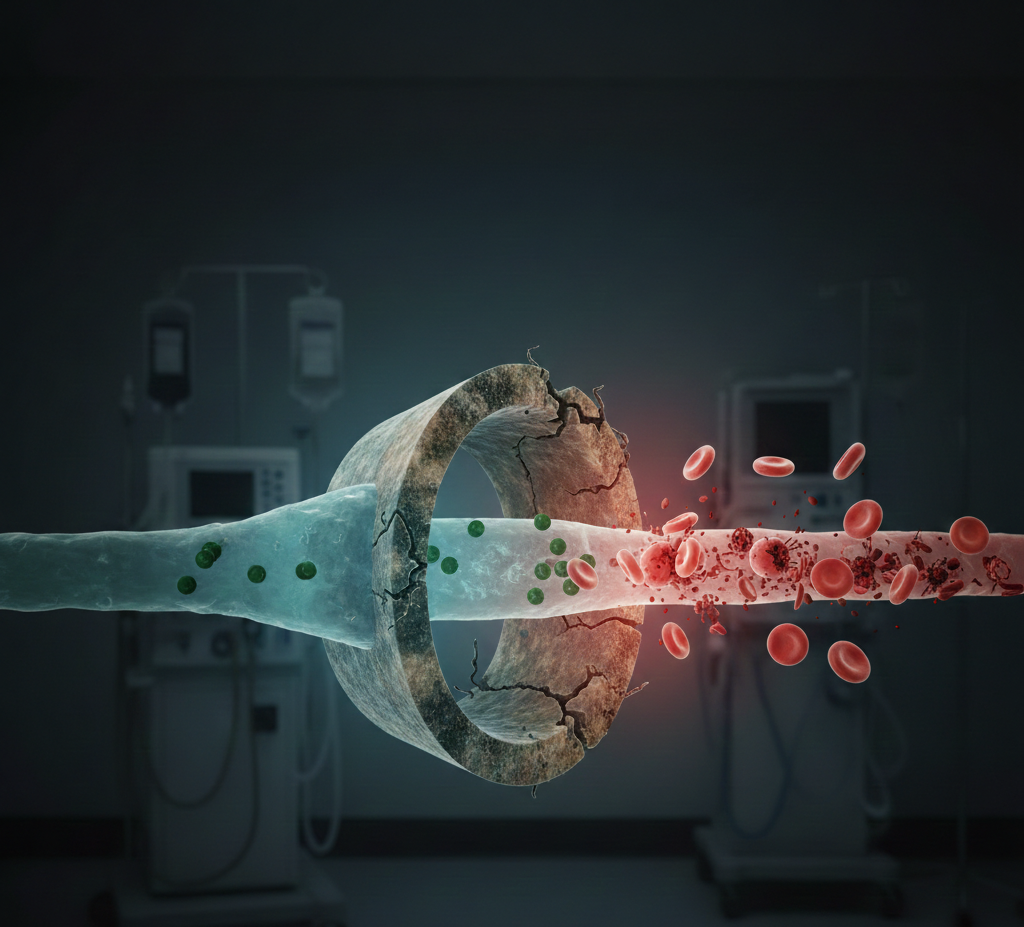
- Bacterial Growth: If not properly maintained, dialysis water systems can become breeding grounds for bacteria and endotoxins.
- System Failures: Power outages, leaks, or equipment malfunctions can lead to compromised water quality and treatment interruptions.
- Chloramine Breakthrough: If pre-filtration fails, chloramines can pass through the RO membrane and cause hemolysis in patients.
- Water Supply Variability: Variations in municipal water quality can impact the effectiveness of dialysis water treatment systems.
To address these challenges, dialysis centers must implement rigorous quality control measures, including routine system disinfection, water testing, and staff training.
Read More: Nurturing Health and Environment Through Water Quality Testing
Best Practices for RO Water Maintenance in Dialysis
To ensure continuous supply of high-purity RO water, dialysis facilities should adopt the following best practices:
- Regular Monitoring and Testing: Conduct microbiological and chemical testing to detect contaminants.
- Scheduled System Maintenance: Perform routine cleaning, membrane replacement, and system calibration.
- Comprehensive Staff Training: Educate dialysis technicians on water system management and contamination prevention.
- Implementation of Redundant Systems: Maintain backup RO units to prevent treatment disruption in case of system failure.
- Use of Real-Time Monitoring Technology: Employ automated sensors and alarms for early detection of water quality deviations.
Adhering to these best practices ensures optimal patient safety and system reliability in dialysis centers.
Read More: Sterility Testing: Ensuring Medical Device Safety
How Prewel Labs Can Help You
Prewel Labs offers comprehensive water testing and validation services to dialysis centers, ensuring that RO water meets the highest standards of purity and compliance. Our expertise in water quality analysis helps dialysis facilities prevent risks associated with contaminated water.
Our Services Include:
- Advanced microbiological and chemical testing of dialysis water.
- Periodic validation and certification of RO water purification systems.
- Regulatory compliance support, ensuring adherence to AAMI, FDA, ISO, and CDC standards.
- Consultation on water treatment system optimization and risk management.
By partnering with Prewel Labs, dialysis centers can guarantee safe, high-quality water for their patients, ensuring better health outcomes and regulatory compliance.
The importance of RO water in dialysis cannot be overstated. High-purity water is essential for patient safety, infection control, and treatment efficacy. By leveraging advanced purification technologies, adhering to stringent regulatory standards, and implementing robust maintenance practices, dialysis centers can ensure the highest levels of water quality. Partnering with trusted experts like Prewel Labs further enhances safety and compliance, ultimately improving patient care and treatment success rates.