























RO Water Dialysis Testing: Ensuring Safe and Effective Dialysis Treatments
Dialysis is a life-saving procedure for patients with kidney failure, helping to remove waste, excess fluids, and toxins from the blood. The process relies on several critical factors, with one of the most important being the water used in the treatment. Reverse Osmosis (RO) water plays a crucial role in dialysis, providing purified water that is free from contaminants. However, maintaining the highest water quality is essential, which is why testing RO water for dialysis is a vital step in ensuring patient safety.
In this blog, we will explore the importance of RO water in dialysis, the key parameters for testing water quality, and best practices for maintaining RO water systems in dialysis centers.
What is Reverse Osmosis (RO) Water?
Reverse Osmosis (RO) is a highly effective water filtration process that removes impurities by forcing water through a semipermeable membrane. The membrane used in RO systems has very tiny pores that allow only water molecules to pass through while rejecting larger particles, such as salts, minerals, bacteria, viruses, and other contaminants. This selective filtration process makes RO a powerful method for producing purified water that is safe for various medical and industrial applications, including dialysis.
The process begins by applying pressure to water on one side of the membrane. This pressure forces the water through the membrane while leaving behind dissolved solids, microorganisms, and contaminants. The result is highly purified water that is significantly cleaner than untreated or even tap water.
The Role of RO Water in Dialysis
In medical settings, particularly in dialysis treatments, water purity is critical for both the efficacy of the procedure and patient safety. Dialysis is used to treat patients with kidney failure by removing excess waste, toxins, and fluids from the bloodstream, simulating the function of healthy kidneys. Since dialysis patients have compromised immune systems and are already at high risk of infections, it is vital that the water used in dialysis is of the highest quality.
The RO process is essential in ensuring that dialysis water is free from harmful substances that could cause severe complications. For example, water used in dialysis must not contain microorganisms, such as bacteria or viruses, which could lead to infections during treatment. Additionally, it must be free of chemical contaminants, such as chlorine, fluoride, or heavy metals, that could have toxic effects on the patient’s body.
RO systems are designed to remove these contaminants effectively, providing purified water that meets the strict standards set by regulatory bodies like the American Association of Medical Instrumentation (AAMI) and the U.S. Pharmacopeia (USP). These organizations provide guidelines for the acceptable levels of contaminants in water used for dialysis to ensure patient safety and optimal treatment outcomes.
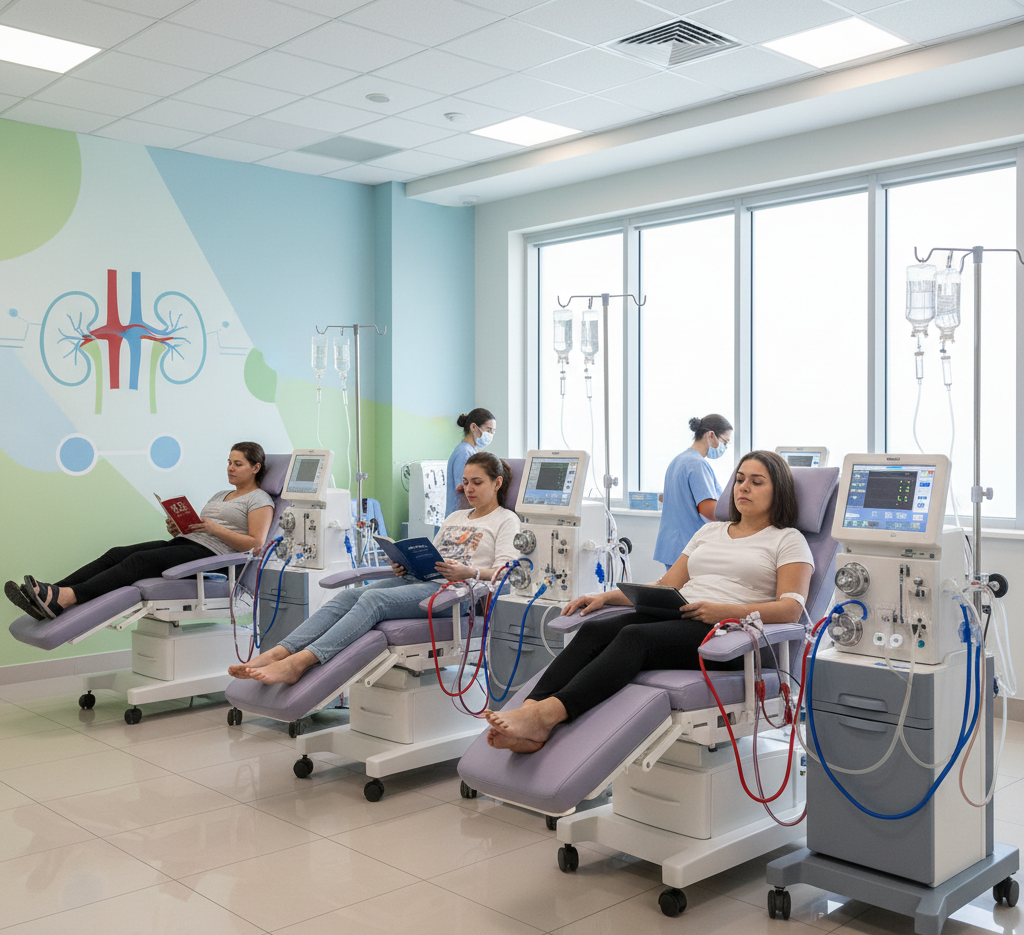
Why RO Water is Crucial for Dialysis
Dialysis patients are vulnerable to infections, toxins, and other complications due to their compromised health, making water quality even more critical. Any impurities in the water used during dialysis can pose serious risks:
- Infections: Bacterial or viral contamination in water can lead to infections at the dialysis access site or even in the bloodstream. These infections can result in sepsis, a life-threatening condition.
- Endotoxins: Endotoxins, which are toxic substances released by bacteria, can cause severe reactions during dialysis, including fever, chills, and a drop in blood pressure. RO water must be rigorously tested to ensure endotoxin levels are kept to a minimum.
- Toxins and Chemicals: Contaminants such as chlorine, chloramine, and heavy metals in the water can harm the body during dialysis, potentially causing toxic reactions, blood cell destruction, or other health complications.
- Dialysis Efficacy: Impurities in the water could also interfere with the dialysis process itself, compromising the effectiveness of toxin removal and fluid balance regulation.
Why Testing RO Water is Essential for Dialysis
Testing RO water for dialysis is crucial because even small levels of contaminants can have a significant impact on the treatment. If the water used in dialysis is not properly tested, patients may be exposed to harmful substances such as bacteria, endotoxins, or chlorine, which can result in infections, adverse reactions, or treatment failure.
Some of the key risks associated with poor water quality in dialysis include:
- Infections: Bacterial contamination can lead to infections at the dialysis access site or in the bloodstream.
- Endotoxin reactions: Endotoxins from bacteria can cause fever, chills, and other symptoms that interfere with dialysis.
- Chlorine toxicity: Chlorine levels that are too high can harm the blood and tissues during dialysis.
- Inaccurate filtration: If the RO system is not functioning properly, harmful substances may pass through the membrane, compromising patient safety.
Regular testing ensures that RO water meets the strict standards set for dialysis treatments and reduces the risk of such complications.
Key Parameters in RO Water Dialysis Testing
To ensure that the water used in dialysis is safe and effective, several critical parameters must be carefully monitored. These parameters are designed to measure the purity of the water, detect any potential contaminants, and confirm that the water meets the required standards for patient safety. Below are the key parameters involved in RO water dialysis testing:
1. Conductivity
Conductivity testing is one of the most common and essential tests for assessing the quality of RO water. Conductivity measures the water’s ability to conduct electricity, which is directly related to the amount of dissolved solids (ions) in the water. The more dissolved solids in the water, the higher the conductivity.
In the context of dialysis, higher conductivity is a red flag, indicating that the water may contain more impurities, such as salts, minerals, and other dissolved solids. These contaminants can interfere with the dialysis process and potentially harm the patient. RO water for dialysis should have a conductivity of less than 1 microsiemen per centimeter (μS/cm) to ensure that it is free from excessive dissolved substances.
Monitoring conductivity ensures that the RO system is effectively removing contaminants and that the water quality meets the strict standards required for safe dialysis treatments.
2. Endotoxins
Endotoxins are toxic byproducts released by bacteria when they die or break apart. These substances can cause severe reactions in patients undergoing dialysis, including fever, chills, hypotension (low blood pressure), and in some cases, septic shock. Endotoxins are of particular concern in dialysis because patients are exposed to the water during the procedure, and even low levels of endotoxins can trigger adverse effects.
Testing for endotoxins in RO water is critical to ensure that the water is free from bacterial contamination. The most commonly used method to measure endotoxins is the Limulus Amebocyte Lysate (LAL) test, which uses the blood of horseshoe crabs to detect the presence of endotoxins. The LAL test can detect very low concentrations of endotoxins, often in the range of 0.25 Endotoxin Units (EU)/mL, which is the maximum allowable concentration for dialysis water according to regulatory standards.
3. Bacterial Contamination
Bacterial contamination in dialysis water is a significant concern, as it can lead to infections during the procedure. Bacteria in the water can enter the bloodstream through the dialysis access point, causing bloodstream infections, which may be severe and even life-threatening. Regular microbiological testing is necessary to detect any harmful bacteria or microorganisms that might be present in the water.
Microbiological testing typically involves culturing water samples in a laboratory to identify and count any bacteria or pathogens. Dialysis water should have no detectable levels of harmful bacteria, with many regulations specifying that the bacterial count should be zero in a 100 mL sample. Common bacteria that can be found in contaminated water include Pseudomonas aeruginosa, which is known to cause infections in dialysis patients.
In addition to culturing, rapid tests like adenosine triphosphate (ATP) testing can also be used for quick monitoring of bacterial contamination levels, providing healthcare providers with real-time data on the safety of the water.
4. pH and Chlorine Levels
Both pH and chlorine levels in RO water must be carefully controlled to prevent any negative impact on dialysis patients.
- pH: The pH of water measures its acidity or alkalinity, which can influence the chemical balance during dialysis. Water that is too acidic or too alkaline can affect the effectiveness of the dialysis process and could potentially damage the patient’s red blood cells, leading to hemolysis. RO water used for dialysis should have a pH between 6.5 and 7.5, as this range is optimal for the dialysis procedure and the body’s natural pH balance.
- Chlorine: Chlorine is commonly used in municipal water systems as a disinfectant, but it is toxic to humans, especially in higher concentrations. Chlorine in dialysis water can lead to hemolysis (destruction of red blood cells) and other adverse reactions in patients. As such, chlorine levels must be monitored regularly to ensure they remain below detectable levels. RO systems often include a dechlorination step to remove chlorine before the water reaches the dialysis machine.
Read More: The Impact of pH and Water Quality on Disinfectant Efficacy Testing Results
Maintaining proper pH and chlorine levels ensures that dialysis is effective and safe for patients, reducing the risk of complications during treatment.
5. Heavy Metals and Other Contaminants
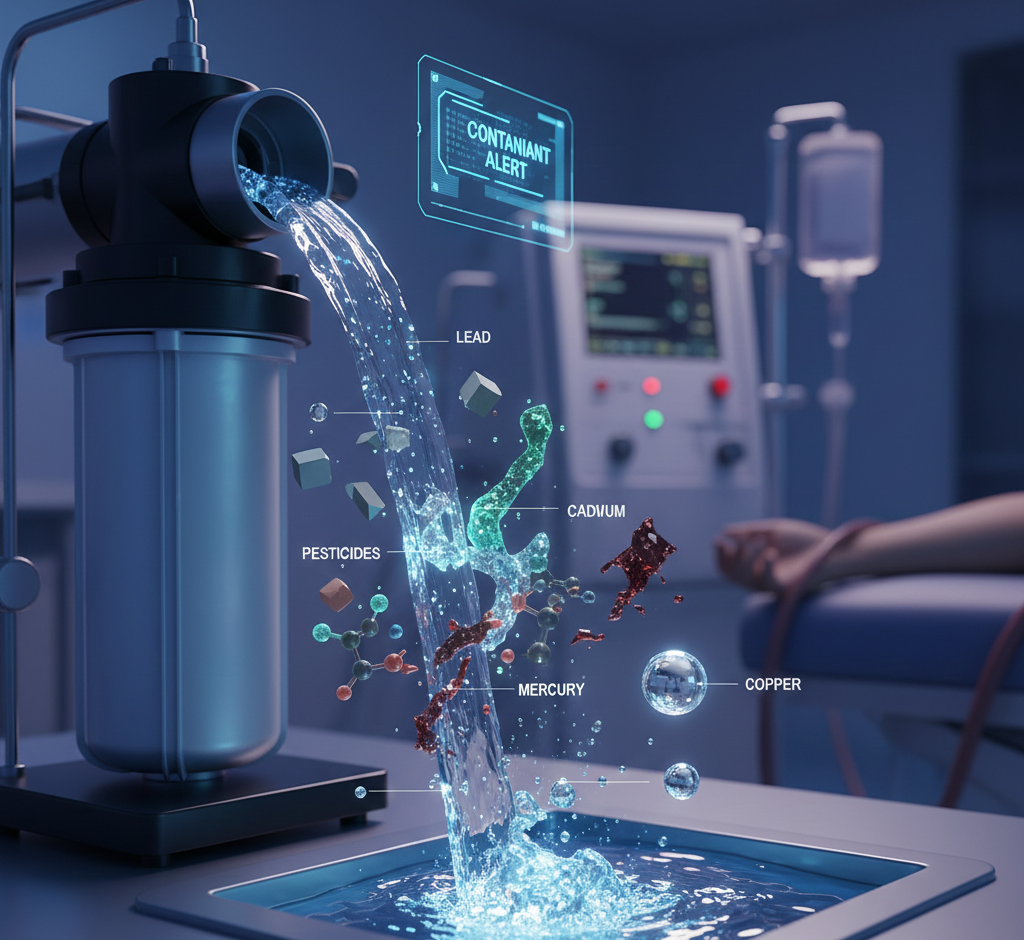
RO water used for dialysis should be free from harmful substances like heavy metals and industrial contaminants. Heavy metals such as lead, copper, cadmium, and mercury are toxic to the human body and can cause severe health issues if present in the dialysis water.
- Lead: Even small amounts of lead can accumulate in the body over time, potentially causing kidney damage, high blood pressure, and neurological issues.
- Copper: Copper toxicity can cause gastrointestinal issues and liver damage.
- Cadmium: Cadmium exposure can lead to kidney damage, bone disease, and even cancer with long-term exposure.
- Mercury: Mercury is a potent neurotoxin that can impair kidney function and cause neurological symptoms.
In addition to heavy metals, RO water should be tested for other potential contaminants, such as pesticides, industrial chemicals, and volatile organic compounds (VOCs), which could compromise patient health during dialysis. These contaminants are often detected through specialized testing methods, including atomic absorption spectroscopy (AAS) or mass spectrometry.
The presence of any of these contaminants in dialysis water is a serious concern and requires immediate attention and remediation. Regular testing for these substances helps ensure that the RO water used in dialysis is safe for patients and meets the stringent regulatory standards.
RO Water Dialysis Testing Methods
Testing the quality of RO water used in dialysis is essential to ensure that it meets the required safety and purity standards for patient health. Several advanced methods and specialized instruments are employed to assess the water quality and detect potential contaminants. Below are some of the key testing methods used in RO water dialysis testing:
1. Conductivity Meters
Conductivity meters are one of the primary instruments used to measure the purity of RO water. Conductivity is the ability of water to conduct electricity, and it is directly related to the concentration of dissolved solids (ions) present in the water. These dissolved solids can include salts, minerals, and other impurities that may compromise the water’s purity and affect the dialysis process.
By measuring the conductivity of RO water, healthcare providers can assess how effectively the RO system is filtering out impurities. A high conductivity reading indicates that there are more dissolved solids in the water, which suggests that the water is less pure and may not meet the stringent standards required for dialysis. Ideally, the conductivity of dialysis water should be less than 1 microsiemen per centimeter (μS/cm). Regular conductivity testing helps maintain the quality of RO water and ensures that dialysis patients are exposed to clean, contaminant-free water.
2. Endotoxin Test Kits
Endotoxins are toxic substances released by bacteria when they break apart or die. These toxins can cause serious health reactions in dialysis patients, including fever, chills, hypotension (low blood pressure), and in extreme cases, septic shock. To ensure the safety of the water used in dialysis, endotoxins must be rigorously tested and removed if present.
The most commonly used method to test for endotoxins is the Limulus Amebocyte Lysate (LAL) assay. This test utilizes the blood of horseshoe crabs, which reacts to endotoxins by producing a measurable color change. The LAL test is highly sensitive and can detect even very low concentrations of endotoxins, often down to 0.25 Endotoxin Units (EU) per milliliter, which is the maximum acceptable level for dialysis water according to regulatory standards.
Regular endotoxin testing is critical to ensure that the RO water used in dialysis does not pose a risk to patient health, particularly given the potential for serious reactions to even trace amounts of bacterial toxins.
Read More: Bacterial Endotoxin Testing (BET): A Detailed Overview
3. Microbiological Testing
Microbiological testing is essential for detecting any bacterial or fungal contamination in RO water. Even though the RO system is designed to remove microorganisms, some bacteria can survive or re-contaminate the water due to system malfunctions or improper maintenance. These bacteria can cause infections in dialysis patients, who are already at a heightened risk due to their compromised immune systems.
Microbiological testing typically involves culturing water samples in a laboratory to identify the presence of harmful microorganisms. The water is cultured in special growth media and incubated to promote bacterial growth. The types and quantities of bacteria are then analyzed. Common pathogens to watch for include Pseudomonas aeruginosa, Escherichia coli, and other opportunistic bacteria that can lead to bloodstream infections, skin infections, or sepsis in dialysis patients.
For dialysis water, the recommended standard is no detectable bacterial growth in a 100-milliliter sample. In some cases, rapid microbiological tests, such as adenosine triphosphate (ATP) testing, may be used to provide real-time results on bacterial contamination levels.

4. pH and Chlorine Test Kits
The pH and chlorine levels of RO water must be carefully controlled to prevent adverse effects during dialysis treatment. Both pH and chlorine can have a significant impact on the water’s quality and the safety of dialysis patients.
- pH Testing: The pH of dialysis water must be within a certain range to maintain the chemical balance during dialysis. Water that is too acidic or too alkaline can cause issues with the dialysis process and harm the patient’s cells. The ideal pH range for dialysis water is between 6.5 and 7.5. pH test kits, including digital pH meters and color-changing pH strips, are used to monitor the pH levels regularly.
- Chlorine Testing: Chlorine is commonly used in municipal water supplies as a disinfectant but can be toxic to patients if present in dialysis water. Even small amounts of chlorine can damage red blood cells, potentially causing hemolysis. Chlorine test kits, often using colorimetric methods or digital chlorine meters, are used to ensure that chlorine levels in the water are undetectable or well below the safe threshold. Most dialysis facilities aim for chlorine levels to be less than 0.1 parts per million (ppm) in the water.
By regularly testing pH and chlorine levels, healthcare providers can ensure that the water used in dialysis is within safe and optimal parameters for patient treatment.
5. Heavy Metal Test Kits
Heavy metals, such as lead, copper, mercury, and cadmium, pose a significant health risk if present in the water used for dialysis. These toxic substances can accumulate in the body over time, leading to kidney damage, neurological issues, and other health problems. Therefore, it is essential to test for the presence of heavy metals in RO water.
Heavy metal test kits typically use colorimetric or spectrophotometric methods to detect and quantify metals in the water. Instruments like atomic absorption spectrometers (AAS) may also be used for more advanced testing to detect even trace levels of these harmful metals. The recommended limits for heavy metals in dialysis water are extremely low, with many regulatory agencies setting permissible levels in the parts-per-billion (ppb) range to protect patients from toxicity.
In addition to heavy metals, other potential contaminants such as industrial chemicals, pesticides, and volatile organic compounds (VOCs) may also need to be tested to ensure comprehensive water quality.
Frequency of Testing
The frequency of RO water testing depends on the protocols of the dialysis facility, the specific needs of the patients, and the maintenance schedule of the RO system. In general, it is recommended to perform water quality testing at least once a month to ensure that the water remains within the required safety standards. In addition to routine testing, water should also be tested after any servicing or maintenance of the RO system to verify that it is still functioning correctly.
Some dialysis centers may increase the frequency of testing in response to potential system issues or contamination concerns, especially when there are signs of malfunction in the RO equipment or water quality deviations. Regular testing is essential to ensure patient safety and maintain high standards of care.
Read More: Medical Device Testing: Ensure Patient Safety
Regulatory Standards for RO Water in Dialysis
RO water for dialysis must comply with strict regulatory standards set by various healthcare authorities, including the American Association of Medical Instrumentation (AAMI), the U.S. Pharmacopeia (USP), and the Food and Drug Administration (FDA). These standards outline the acceptable levels of contaminants, as well as the methods and frequency of testing.
For example, AAMI recommends that RO water should have a conductivity of less than 1 microsiemens per centimeter and a bacterial count of zero. Endotoxin levels should be below 0.25 EU/mL (endotoxin units per milliliter), and chlorine levels should be undetectable.
Dialysis centers must adhere to these guidelines to ensure they are providing safe and effective treatment for patients.
Best Practices for Ensuring RO Water Quality in Dialysis
To maintain optimal water quality for dialysis, healthcare facilities should follow these best practices:
- Regular maintenance and cleaning: RO systems should be cleaned and serviced regularly to prevent contamination and ensure the system functions efficiently.
- Continuous monitoring: Install monitoring systems that track water quality in real-time, allowing staff to catch issues before they affect patient safety.
- Staff training: Healthcare providers should be trained to understand the importance of water quality and how to properly test and maintain RO systems.
- Record-keeping: Keep detailed records of water quality tests and maintenance procedures to ensure compliance and monitor any trends in water quality.
Read More: Nurturing Health and Environment Through Water Quality Testing
Challenges in RO Water Dialysis Testing
Despite the best efforts, maintaining perfect water quality can be challenging. Some common issues include:
- RO membrane fouling: Over time, the RO membrane can become clogged with debris or minerals, reducing its efficiency. Regular cleaning and replacement of membranes are essential.
- Chlorine contamination: Chlorine can damage the RO membrane, and trace amounts can be harmful to dialysis patients. Pre-treatment systems should be used to remove chlorine before it reaches the RO system.
- Inconsistent test results: Variations in testing equipment or human error can lead to discrepancies in test results. Ensuring proper calibration and training can help mitigate these challenges.
FAQs Related to RO Water Dialysis Testing
1. Why is conductivity testing crucial for RO water used in dialysis?
Conductivity testing measures the level of dissolved solids (such as salts and minerals) in the water. Higher conductivity indicates the presence of impurities, which could affect the dialysis process and harm the patient. For dialysis, low conductivity ensures that the RO system has effectively removed contaminants, making the water safe for treatment.
2. What are endotoxins, and why are they a concern in RO water used for dialysis?
Endotoxins are toxins released by bacteria, and even trace amounts in dialysis water can cause severe reactions in patients, including fever, low blood pressure, and septic shock. Testing for endotoxins ensures that water is free from bacterial contamination, keeping patients safe during dialysis procedures.
3. How often should RO water be tested for endotoxins in dialysis centers?
The frequency of endotoxin testing depends on local regulations and the dialysis facility’s protocols. However, it is generally recommended to test for endotoxins at least monthly and whenever the RO system is serviced or replaced. Some centers may opt for more frequent testing if there is suspicion of contamination.
4. Can microbiological contamination be missed during RO water testing?
While RO systems are designed to filter out microorganisms, some bacteria or fungi may still find their way into the water supply due to system malfunctions or improper maintenance. Microbiological testing, including culturing, helps detect any bacterial contamination that might otherwise be missed by the RO system.
5. What is the recommended pH range for RO water used in dialysis?
The ideal pH range for RO water used in dialysis is between 6.5 and 7.5. This neutral pH range is compatible with the human body and ensures that the dialysis process proceeds without causing chemical imbalances or harm to the patient.
6. How does chlorine affect RO water used in dialysis, and how is it removed?
Chlorine is toxic to dialysis patients and can damage red blood cells, potentially causing hemolysis. It is removed from the water during the RO process, but additional dechlorination steps, such as activated carbon filters, are often used to ensure that chlorine levels remain below detectable levels, which is essential for patient safety.
7. Are heavy metals in RO water a serious concern for dialysis patients?
Yes, heavy metals like lead, copper, mercury, and cadmium are highly toxic and pose serious risks to dialysis patients. These metals can accumulate in the body over time, leading to kidney damage, neurological disorders, and other health problems. Regular testing for heavy metals ensures that the water used in dialysis is free from these contaminants.
8. Can the RO system affect the overall quality of dialysis water?
Yes, the RO system plays a key role in ensuring water quality by removing impurities such as dissolved solids, bacteria, and chemicals. However, a malfunction or improper maintenance of the system can compromise its effectiveness, leading to contaminated water. Regular testing and system checks are essential to ensure consistent water quality.
9. What types of bacteria are most commonly found in RO water used for dialysis?
Common bacteria found in contaminated RO water include Pseudomonas aeruginosa, Escherichia coli, and Legionella. These bacteria can cause serious infections in dialysis patients. Routine microbiological testing helps identify and eliminate harmful bacteria before they can cause problems during dialysis.
10. What should dialysis centers do if their RO water tests show contamination?
If RO water tests reveal contamination, dialysis centers should take immediate action. This may include halting dialysis treatments, repairing or replacing the RO system, flushing the water lines, and conducting further testing to ensure the water is safe before resuming treatments. It’s critical to follow strict protocols to ensure patient safety.
How Prewel Labs can help with RO Water Dialysis Testing
At Prewel Labs, we understand the critical role that high-quality RO water plays in dialysis treatments. We offer comprehensive testing to ensure your water meets the highest standards for patient safety.
Our services include conductivity testing to assess water purity and endotoxin testing using the Limulus Amebocyte Lysate (LAL) assay to eliminate harmful bacterial byproducts. We also conduct microbiological testing to detect bacteria, and monitor pH and chlorine levels to maintain chemical balance. Additionally, we test for heavy metals like lead and copper to ensure the water is free from toxins.
Beyond testing, our team provides expert consultation to help interpret results and guide necessary adjustments. We customize testing schedules to meet your facility’s needs and ensure regulatory compliance with health standards like US FDA and AAMI.
Prewel Labs offers fast results and detailed reports to support compliance checks and audits. We provide ongoing support for system maintenance and emergency testing services to address water quality issues quickly.
Partner with Prewel Labs to ensure the highest water quality for dialysis treatments, safeguarding patient health and meeting regulatory requirements.
Conclusion
RO water dialysis testing is a critical component of ensuring safe and effective dialysis treatments. By regularly testing for key parameters such as conductivity, endotoxins, bacteria, and heavy metals, healthcare facilities can provide the highest level of care to their patients. Adhering to regulatory standards and best practices will help prevent contamination and reduce the risks associated with dialysis procedures. For the safety of patients, it is essential that dialysis centers maintain optimal water quality through regular testing and system maintenance.