
























Why Test Indoor Air Quality (IAQ)?
We spend nearly 90% of our lives indoors, in offices, factories, hospitals, schools, and homes.
But the air inside can often be more polluted than the air outside.
Poor indoor air quality can lead to:
- Health issues such as asthma, allergies, eye and skin irritation, and fatigue
- Reduced employee productivity and higher absenteeism
- Non-compliance with occupational safety standards (BIS, WHO, OSHA, ASHRAE)
- Damage sensitive equipment and processes in pharmaceutical and medical manufacturing
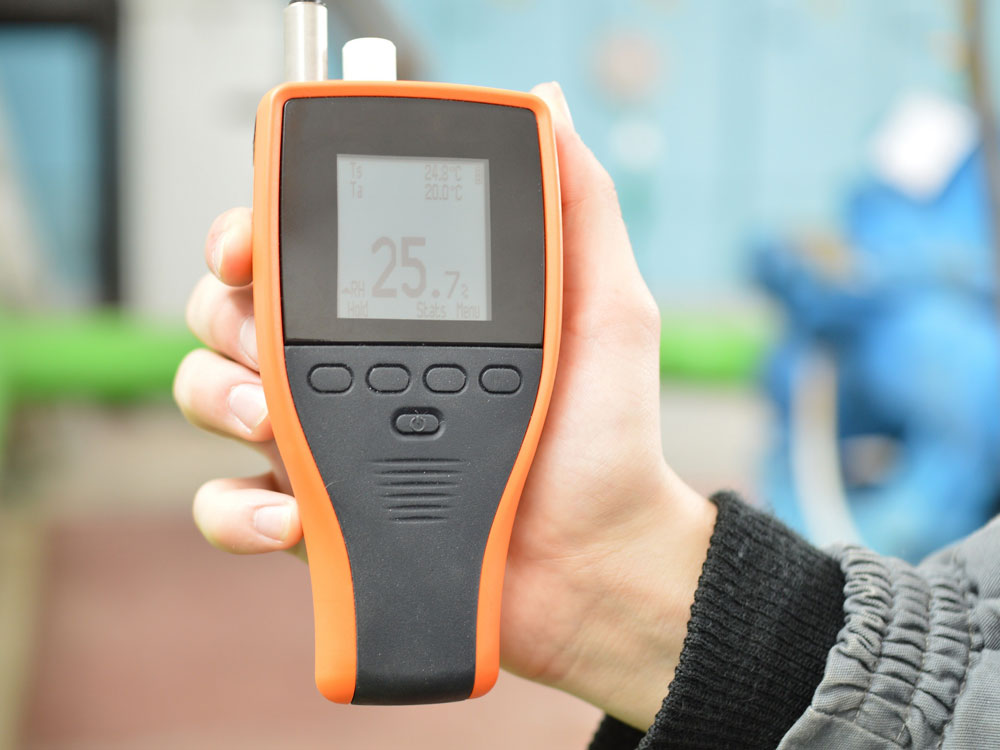
Regular Indoor Air Quality (IAQ) Testing Helps You Ensure:
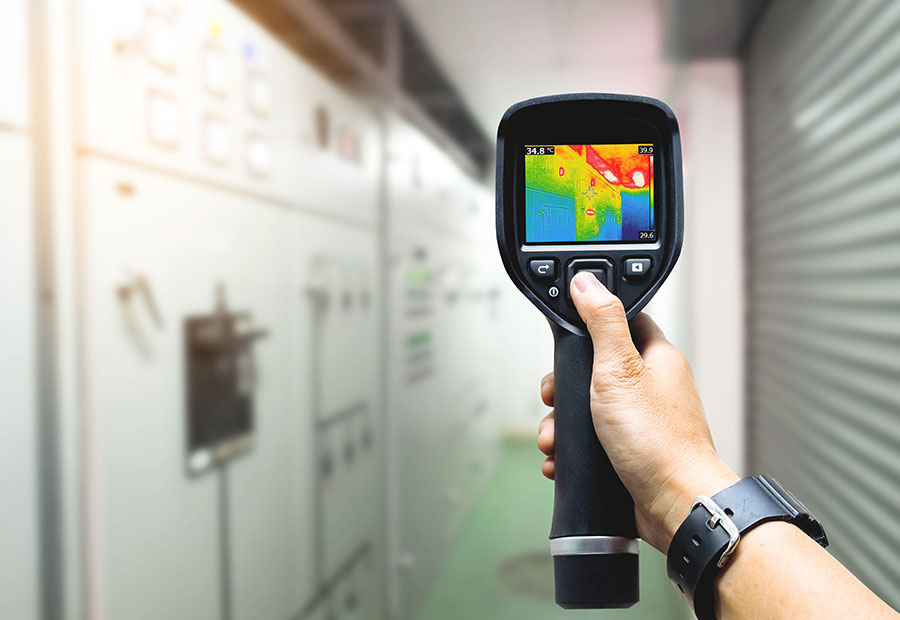
Regular Indoor Air Quality (IAQ) Testing Helps You Ensure:
- A safe and healthy environment for employees and customers
- Compliance with regulatory and occupational safety standards
- Reduced risk of liability and workplace complaints
- An enhanced brand reputation as a responsible and compliant organization
Types of Indoor Air Quality Testing We Provide

Particulate Matter (PM) Monitoring
Why : Fine dust (PM2.5, PM10) can penetrate deep into lungs.
What we test : Suspended particulates, dust levels.
Who needs it : Offices, hospitals, manufacturing floors, cleanrooms.
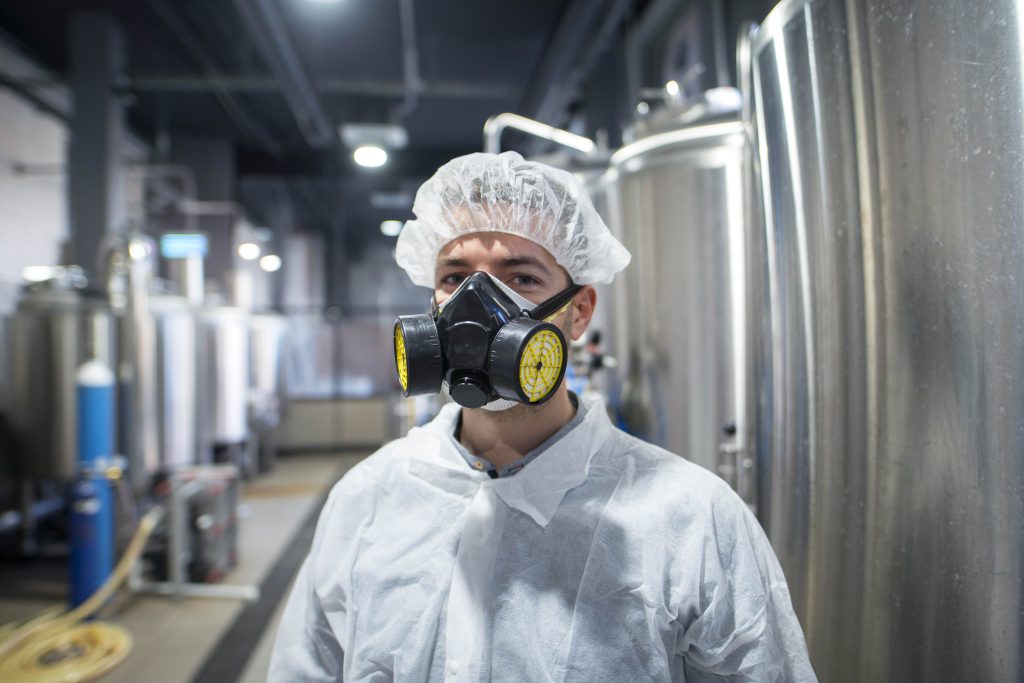
Gaseous Contaminant Testing
Why : Toxic gases harm both people and processes.
What we test : CO, CO2, SO2, NO2, VOCs, formaldehyde, ozone.
Who needs it : Pharma, food manufacturing, commercial buildings, schools.
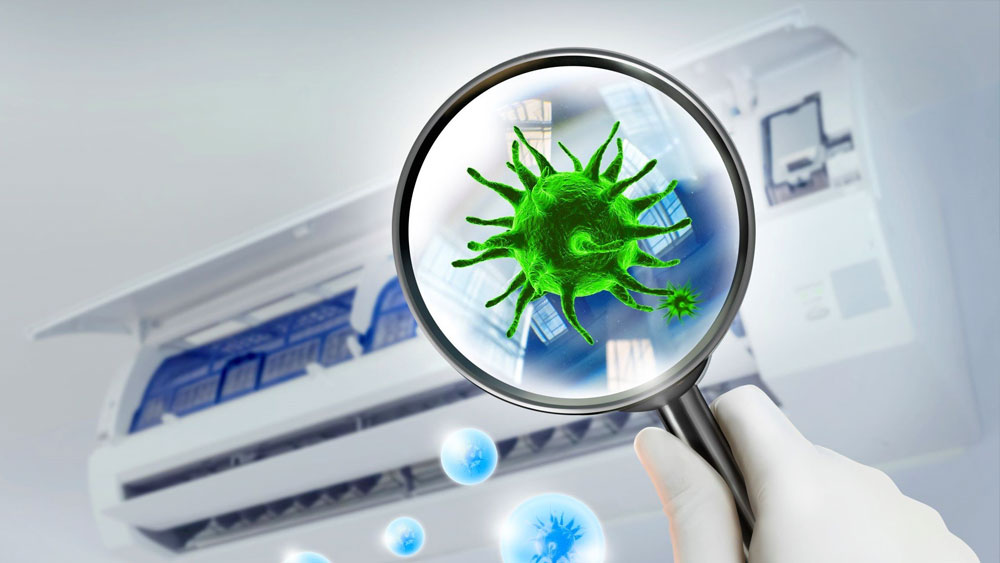
Microbial Air Quality Testing
Why : Airborne microbes can cause infections and contamination.
What we test : Bacteria, fungi, yeast, mold counts.
Who needs it : Pharma cleanrooms, hospitals, labs, food industries.
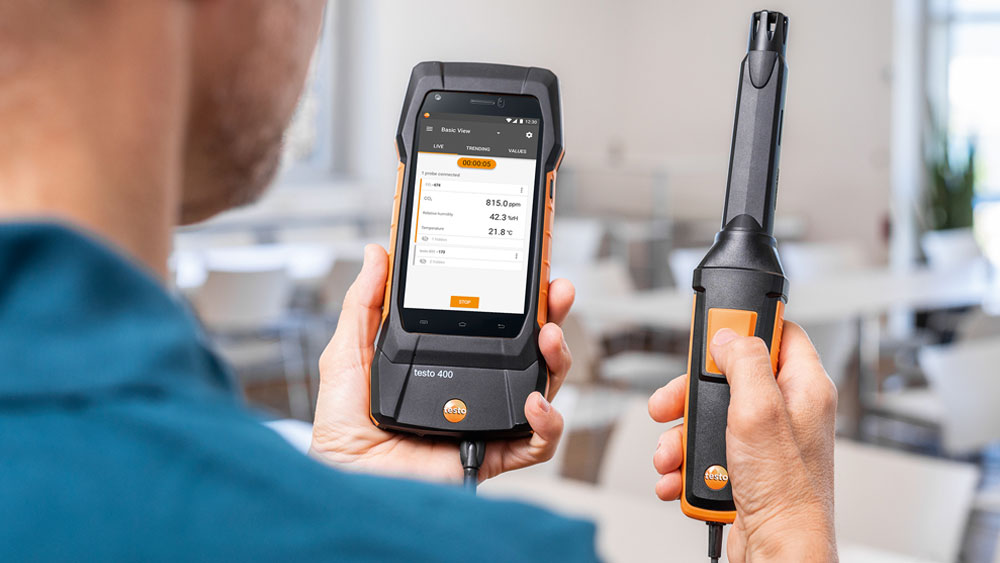
Comfort Parameters Testing
Why : Temperature, humidity, and ventilation affect comfort and efficiency.
What we test : Temperature, relative humidity, air velocity, airflow patterns.
Who needs it : Workplaces, schools, malls, hospitality.
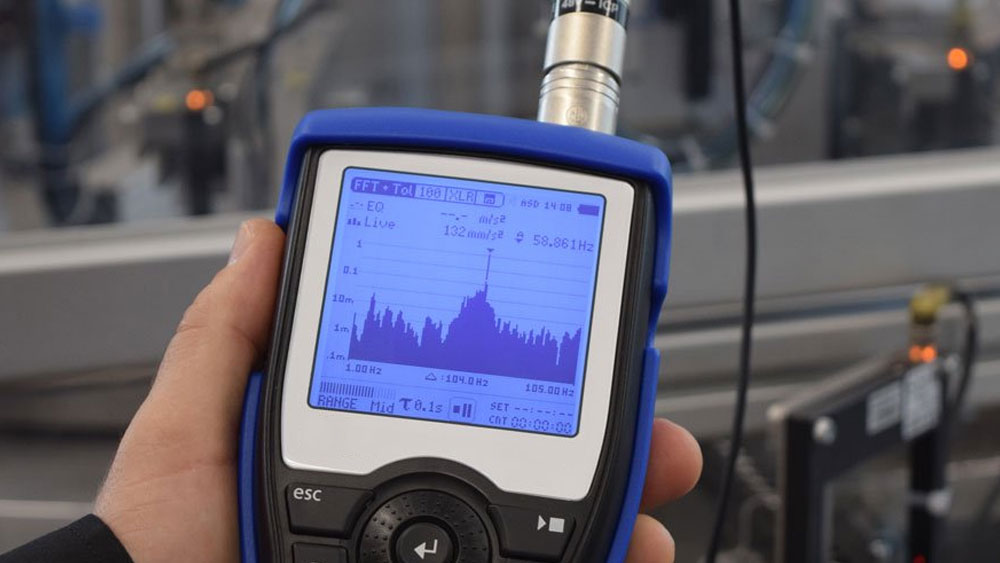
Sound & Vibration Testing
Why : Cleanroom air must be particle and microbe free to protect critical operations.
What we test : HEPA filter integrity, particle counts, differential pressure.
Who needs it : Pharma, medical device, biotech industries.
Benefits of IAQ Testing with Prewel Labs
Health Protection
Reduce risks of respiratory illness and infections.
Regulatory Compliance
Meet BIS, WHO, ASHRAE, and ISO cleanroom standards.
Digital Dashboard
Real time results, audit ready reports, and predictive alerts.
Productivity Gains
Healthier employees = better performance
Reputation & Trust
Show commitment to employee and consumer safety.

Who We Serve
Corporate Offices & IT Parks
Safe air for employees
Hospitals & Healthcare
Infection control in patient areas and ICUs
Pharma & Medical Devices
Cleanroom and controlled environment compliance
Schools, Hotels & Malls
Healthy air for visitors and guests
Factories & Warehouses
Worker safety and compliance with occupational standards
IAQ Testing at a Glance
| Test Type | Why It Matters | Key Parameters | Who Needs It |
|---|---|---|---|
| Particulate Matter | Protects lungs & equipment | PM2.5, PM10 | Offices, cleanrooms, hospitals |
| Gaseous Contaminants | Detects harmful toxins | CO, CO₂, VOCs, formaldehyde | Pharma, food, schools, offices |
| Microbial Air Quality | Prevents infection & contamination | Bacteria, fungi, yeast, mold | Hospitals, pharma, food plants |
| Comfort Parameters | Improves health & productivity | Temp, humidity, airflow | Offices, schools, hospitality |
| Cleanroom Testing | Ensures sterile & safe operations | Particle counts, HEPA filter, DP | Pharma, med tech, biotech |
FAQs
How often should indoor air quality be tested?
Frequency depends on facility type:
- Offices & commercial buildings: every 6–12 months
- Hospitals & ICUs: monthly or quarterly
- Schools & public buildings: every 6 months
- Factories & warehouses: quarterly
What preparations are needed before an IAQ test?
- Ensure HVAC/AHU systems are switched on
- Inform staff about air sampling points
- Avoid cleaning/spraying disinfectants 12–24 hours before testing
- Keep windows/doors in normal operating conditions
Do you perform on-site or off-site testing?
Indoor air testing is 100% on-site, using calibrated portable instruments and microbial air samplers.
Can poor HVAC maintenance affect indoor air quality?
Yes. Dirty filters, blocked ducts, and stagnant condensate trays cause:
- Mold growth
- High CO2 levels
- Dust recirculation
- Spread of airborne microbes
Regular HVAC audits are recommended.
Can indoor air testing detect bacteria or fungal contamination?
Yes. Microbial air sampling identifies spores such as bacteria & fungal counts.
What should I do if microbial counts are high?
We provide corrective action guidance including:
- HVAC cleaning
- Dehumidification
- Increasing fresh-air intake
- Surface sanitization
- Root-cause analysis
Can IAQ testing diagnose Sick Building Syndrome complaints?
Yes. Symptoms like headaches, eye irritation, and fatigue often link to:
- High CO2
- VOCs
- Poor ventilation
- Microbial load
- Chemicals from furniture/paint
Our IAQ tests help identify exact causes.
Do you test for unusual odors or VOC sources?
Yes. VOC testing identifies emissions from:
- Furniture
- Carpets
- Paints
- Cleaning agents
- Industrial chemicals
- Printing/office equipment
Do you provide IAQ testing for hospitals, ICUs, and operating theatres?
Yes. Critical tests include:
- Airborne particles
- Temperature & humidity
- Microbial and other gaseous contaminates
Do you provide indoor air testing services across India?
Yes. We cover all major cities including Bengaluru, Hyderabad, Chennai, Mumbai, Pune, Delhi, NCR, Ahmedabad, and more.
Can international clients request IAQ audits?
Yes. We support global clients for:
- Remote audits
- Documentation
- On-site IAQ testing for facilities in India
- Compliance with ASHRAE & WHO standards
How long does it take to receive IAQ test results?
- Gases & PM: Same day / 24 hours
- Microbial analysis: 48–72 hours
What is included in an IAQ report?
- Measured values vs standards
- Interpretations
- Calibration certificates of instruments
Are your IAQ reports audit-ready?
Yes. Reports comply with BIS, WHO, OSHA, ASHRAE, ISO cleanroom, and regulatory audit formats.
Are your instruments calibrated?
Yes. All instruments are traceable to NABL/NIST standards to ensure accuracy.
Is indoor air quality data kept confidential?
Absolutely. Data is protected and shared only with authorized users.
How much does indoor air testing cost?
Pricing depends on:
- Number of parameters
- Size of facility
- Number of sampling points
- Custom packages are available for MSMEs, offices, and large industries.
Do you provide emergency IAQ testing after complaints or incidents?
Yes. We offer rapid on-site testing in case of:
- Odor complaints
- Worker sickness
- Chemical release
- Mold outbreaks
- HVAC/AHU failures