




















The Role of Bacterial Endotoxin Testing (BET) in Pharmaceutical Quality Control
Bacterial endotoxins are toxic substances produced by certain bacteria, typically Gram-negative bacteria. These endotoxins can cause severe immune responses, including fever, shock, and inflammation, when introduced into the human body. For the pharmaceutical industry, controlling endotoxins in drug products, medical devices, and biologics is crucial, as these contaminants can severely impact product safety and efficacy.
Bacterial Endotoxin Testing (BET) is a vital part of pharmaceutical quality control, ensuring that products meet safety standards and regulations. This blog will explore the importance of BET, the methods used, and its role in maintaining pharmaceutical product integrity.
What Is Bacterial Endotoxin Testing (BET)?
Bacterial Endotoxin Testing is a method used to detect and quantify endotoxins in pharmaceutical products, water, medical devices, and raw materials. This test is essential because endotoxins, if left unchecked, can result in harmful consequences for patients and tarnish the credibility of the manufacturer.
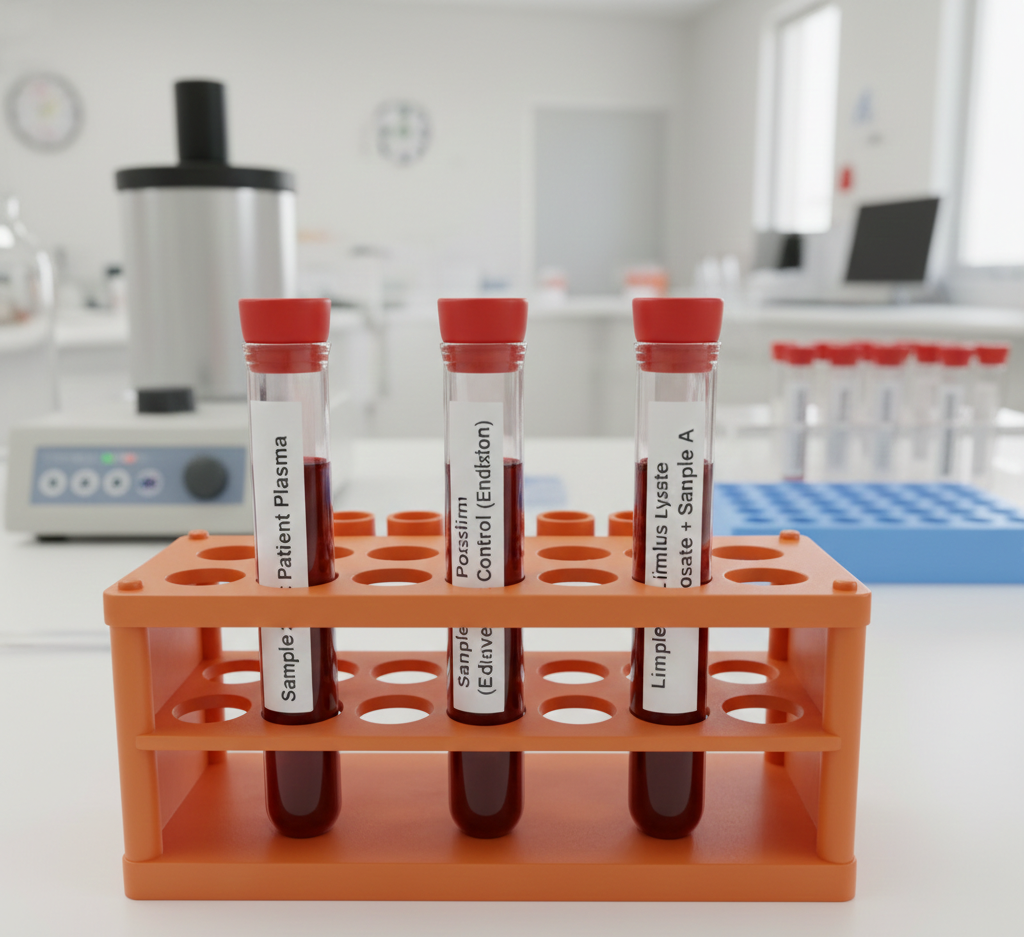
Endotoxins are heat-stable and water-soluble, making them particularly challenging to detect and remove. The most common and reliable test used to detect endotoxins is the Limulus Amebocyte Lysate (LAL) assay, which uses the blood cells of the horseshoe crab (Limulus polyphemus) to react with endotoxins.
Why Is Bacterial Endotoxin Testing Important?
1. Ensuring Product Safety
Endotoxins are potent activators of the body’s immune system. When endotoxins are introduced into the human body, they can cause fever, shock, organ failure, or even death. The testing ensures that pharmaceutical products, medical devices, and biologics are free from dangerous endotoxin contamination, providing safe and effective treatments to patients.
2. Regulatory Compliance
Regulatory bodies, including the U.S. Food and Drug Administration (FDA), the European Medicines Agency (EMA), and other global agencies, mandate that pharmaceutical products meet specific endotoxin limits to ensure patient safety. BET is a key requirement in meeting Good Manufacturing Practices (GMP) and fulfilling regulatory guidelines for product approval and ongoing compliance.
3. Preventing Cross-Contamination
Endotoxins can be introduced at any stage of the manufacturing process, from raw material sourcing to packaging. Conducting regular BETs helps to identify contamination before it reaches the final product, thereby preventing costly product recalls and reputational damage.
4. Protecting Patient Health
In some cases, even small amounts of endotoxins can cause serious reactions in sensitive individuals, such as patients receiving intravenous (IV) drugs or implants. BET is especially crucial for intravenous drugs, surgical implants, wound dressings, and other critical healthcare products that come in direct contact with the human body.
Common Methods of Bacterial Endotoxin Testing (BET)
1. Limulus Amebocyte Lysate (LAL) Assay
The LAL assay is the most widely used method for endotoxin detection. The assay relies on the enzyme cascade reaction triggered by endotoxins in the blood of the horseshoe crab. When endotoxins are present, the enzyme reacts and forms a clot, indicating a positive result. There are three types of LAL assays:
- Gel-Clot Method: Simple and cost-effective, used primarily in quality control labs for routine endotoxin testing.
- Turbidimetric Method: Measures the cloudiness or turbidity of a solution as a result of the endotoxin reaction. It is highly sensitive and quantitative.
- Chromogenic Method: Involves the release of a color-changing substrate upon endotoxin interaction. It provides quantitative data and can be automated for high-throughput testing.
The LAL test is highly sensitive and capable of detecting low endotoxin levels, making it the gold standard in endotoxin detection.
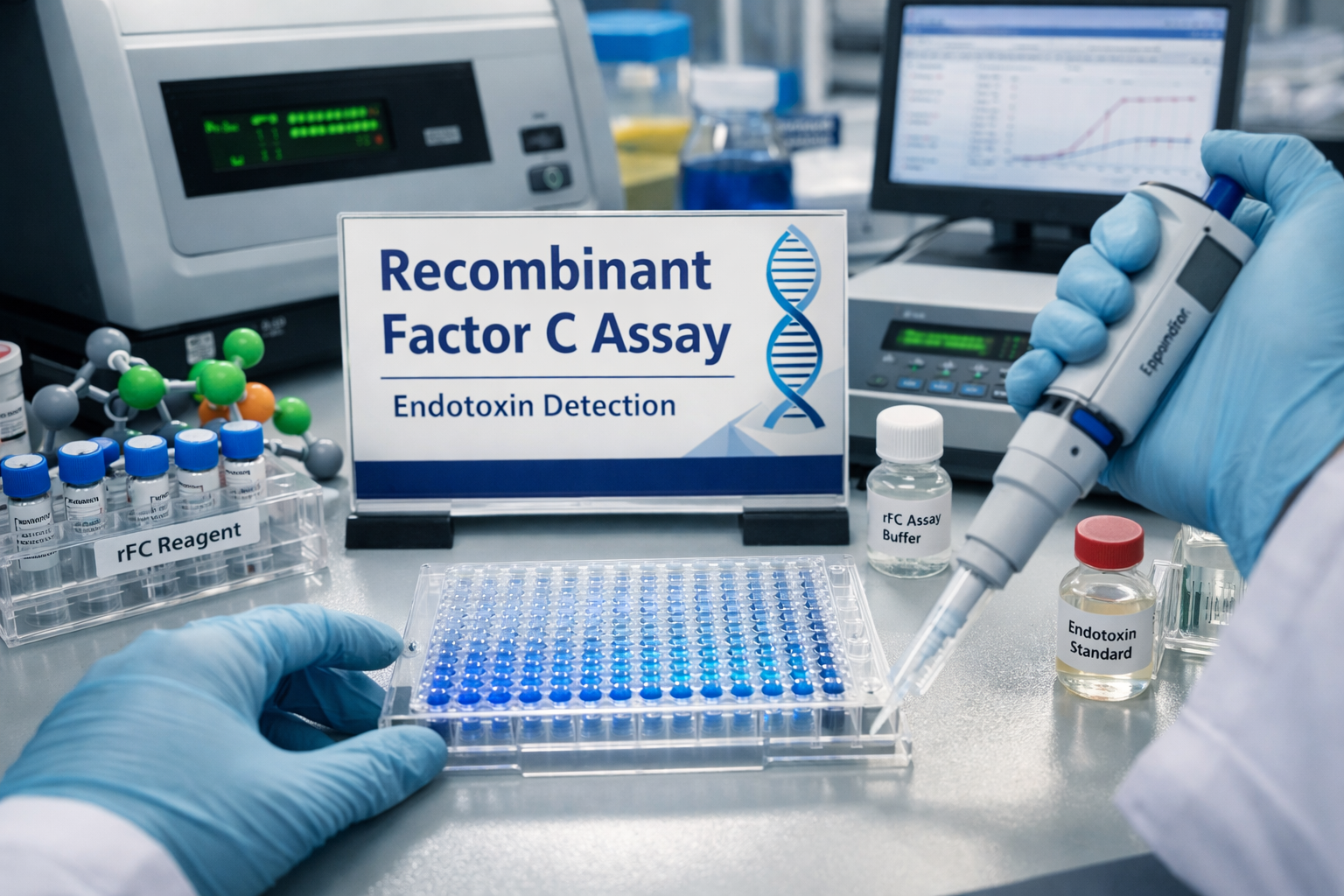
2. Endotoxin Detection by Recombinant Factor C Assay
This newer method uses recombinant Factor C, a protein that mimics the natural immune response of horseshoe crabs. While not as widely adopted as the LAL assay, this method offers the potential for a more sustainable and ethically responsible alternative, as it does not rely on horseshoe crabs.
3. Pyrogen Testing
Although not specifically a test for endotoxins, pyrogen testing evaluates the general ability of a product to cause fever. Historically, this was conducted using rabbits (rabbit pyrogen test), but it is now largely replaced by BET, which is more specific and reliable in detecting endotoxins.
Read More: Biological Indicators for Sterilization: Your Guide to Unmatched Safety
The Role of BET in Pharmaceutical Quality Control
1. Product Development and Validation
During the product development stage, BET is used to validate formulations and identify potential endotoxin contamination sources early. Ensuring that raw materials, excipients, and packaging components are free from endotoxins is vital to prevent contamination later in the manufacturing process.
2. Routine Batch Testing
After product development, regular testing is essential throughout the manufacturing process. Every batch of injectable drugs, biologics, and medical devices must undergo BET before release to ensure they are safe for patient use. This testing is integral to pharmaceutical companies’ routine quality control procedures and helps to maintain product integrity.
Read More: Medical Device Testing: Ensure Patient Safety
3. Monitoring Manufacturing Processes
BET is not only essential in testing finished products but also for monitoring critical points in the manufacturing process, such as the preparation of sterile water, raw materials, and equipment surfaces. Ensuring that endotoxins are not introduced during production reduces the risk of contamination and ensures compliance with safety standards.
4. Compliance with Good Manufacturing Practices (GMP)
The FDA and other regulatory agencies require BET as part of their GMP guidelines to ensure that products are manufactured under conditions that prevent contamination. BET provides a reliable measure of endotoxin levels, helping companies comply with regulatory requirements and avoid costly penalties or recalls.
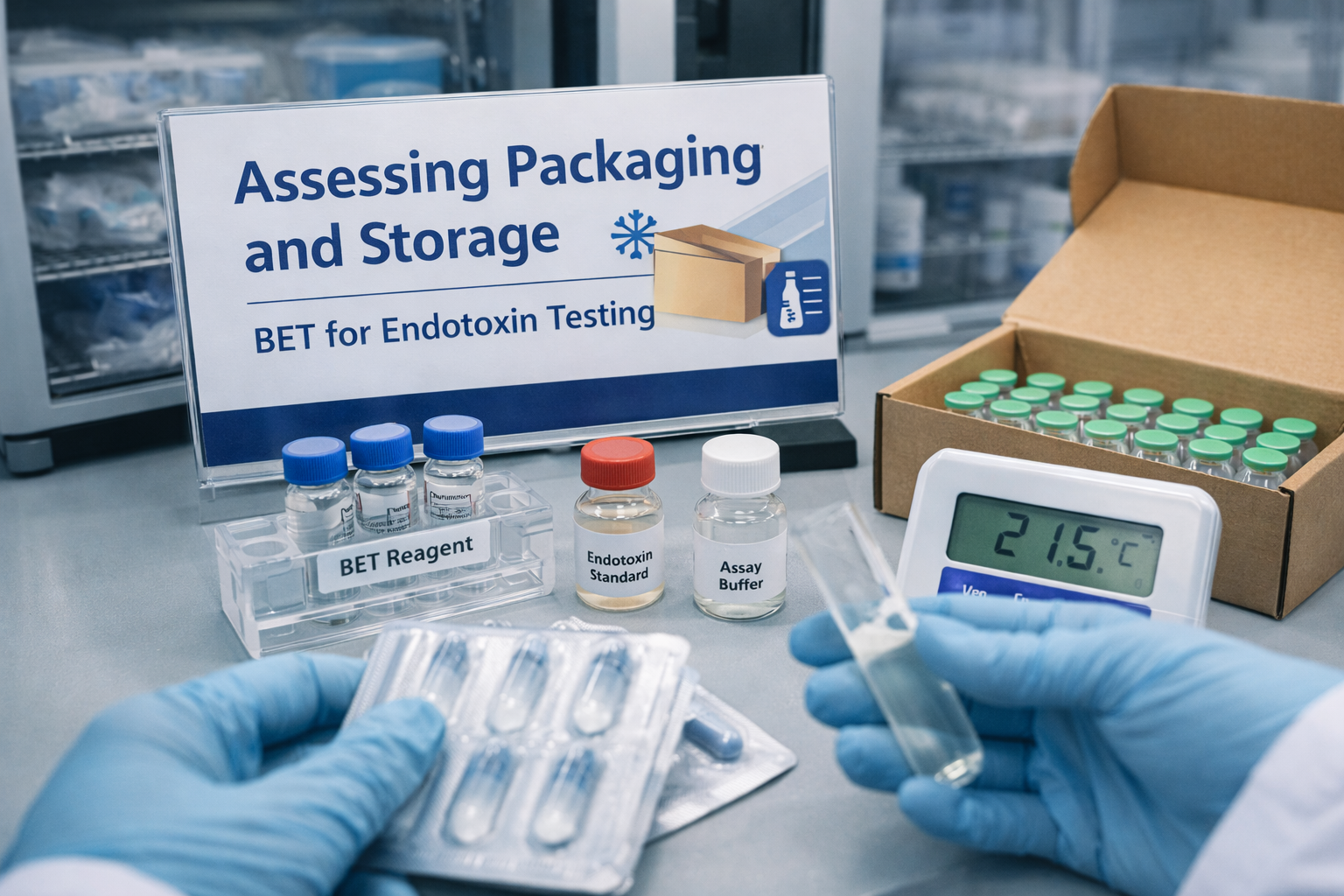
5. Assessing Packaging and Storage
Packaging materials and storage conditions play a key role in maintaining product sterility. BET is used to test the endotoxin levels in packaging components and to ensure that storage environments do not introduce contamination over time.
Read More: Understanding Bacterial Endotoxins Method Validations: A Crucial Step in Pharmaceutical Safety
How Prewel Labs Can Help
At Prewel Labs, we understand the critical role bacterial endotoxin testing plays in maintaining product safety and regulatory compliance. Our expert team offers comprehensive BET services using the Limulus Amebocyte Lysate (LAL) assay and other cutting-edge techniques. We tailor our testing protocols to meet the specific needs of your products, whether they are biologics, pharmaceuticals, or medical devices.
Our services include:
- Routine Endotoxin Testing: Ensuring that your products are free from endotoxins during every stage of production.
- Validation and Verification: Testing raw materials, formulations, and finished products to verify that they meet endotoxin specifications.
- Consultation and Support: Providing guidance on endotoxin limits, testing frequency, and compliance with regulatory standards.
Partnering with Prewel Labs ensures that your pharmaceutical products and medical devices are safe, compliant, and meet the highest quality standards. Let us help you protect patient health and safeguard your brand reputation.