
























Why Test Soil?
Soil is the foundation of every successful harvest. But over time, it can become depleted, contaminated, or imbalanced, directly affecting crop health and yield.
Poor soil quality can lead to:
- Reduced crop yields and lower profitability
- Excessive or improper fertilizer use, increasing costs and harming the environment
- Heavy metal and pesticide contamination, making produce unsafe
- Rejection in export markets due to non-compliance
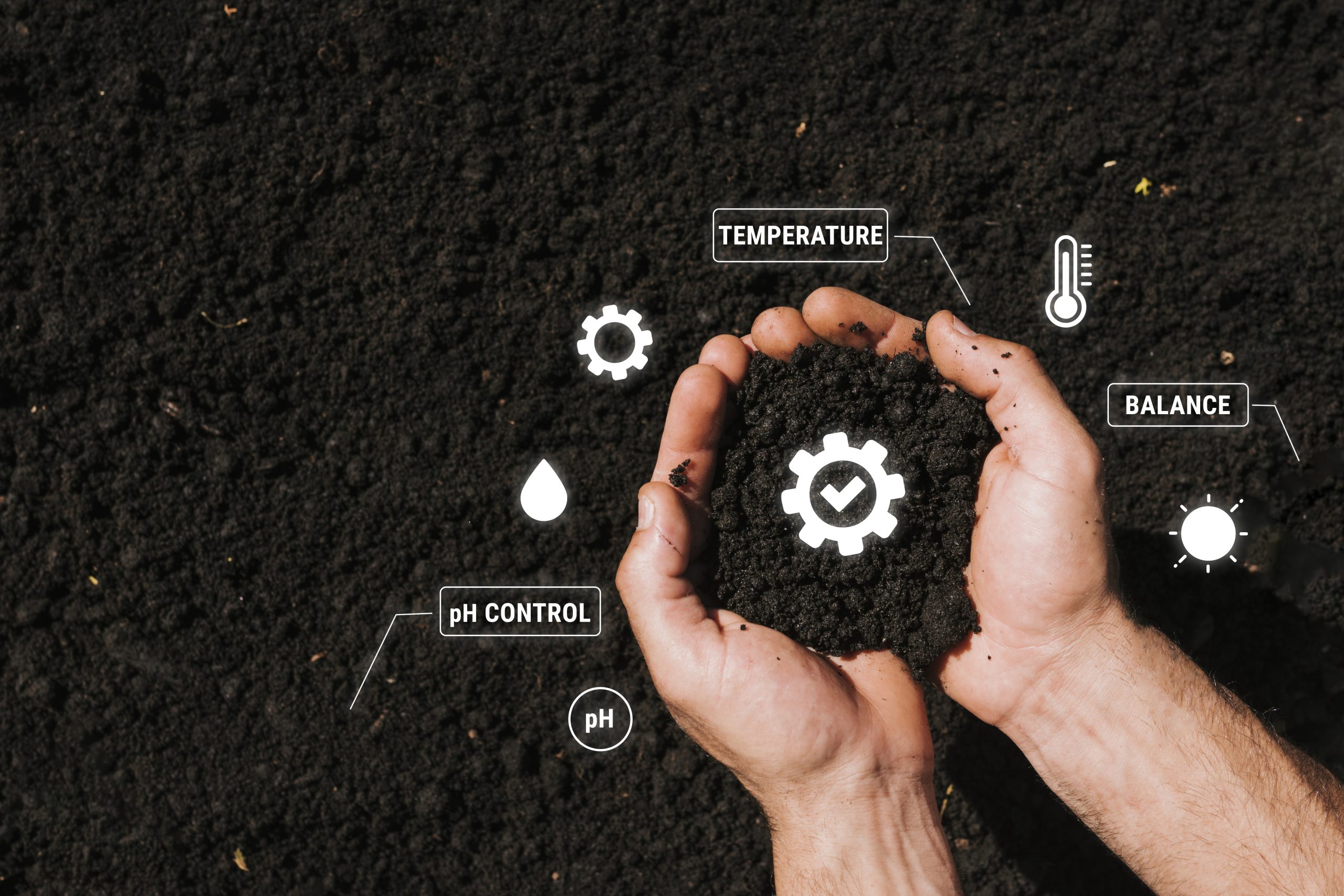
Regular Soil Testing Helps You Ensure:
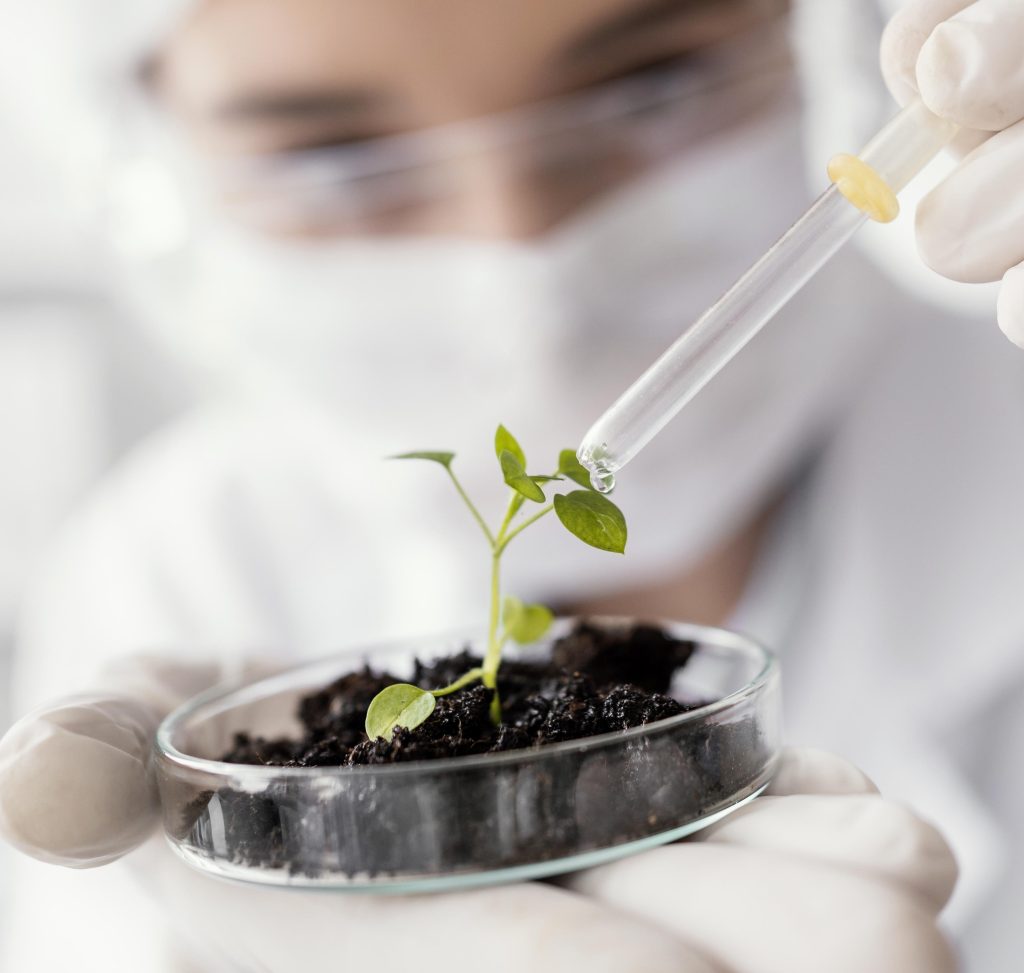
Regular Soil Testing Helps You Ensure:
- Balanced nutrition for crops
- Smarter use of fertilizers and other inputs
- Safer, contaminant-free produce
- Compliance with FSSAI, APEDA, and international export standards
Types of Soil Testing We Provide
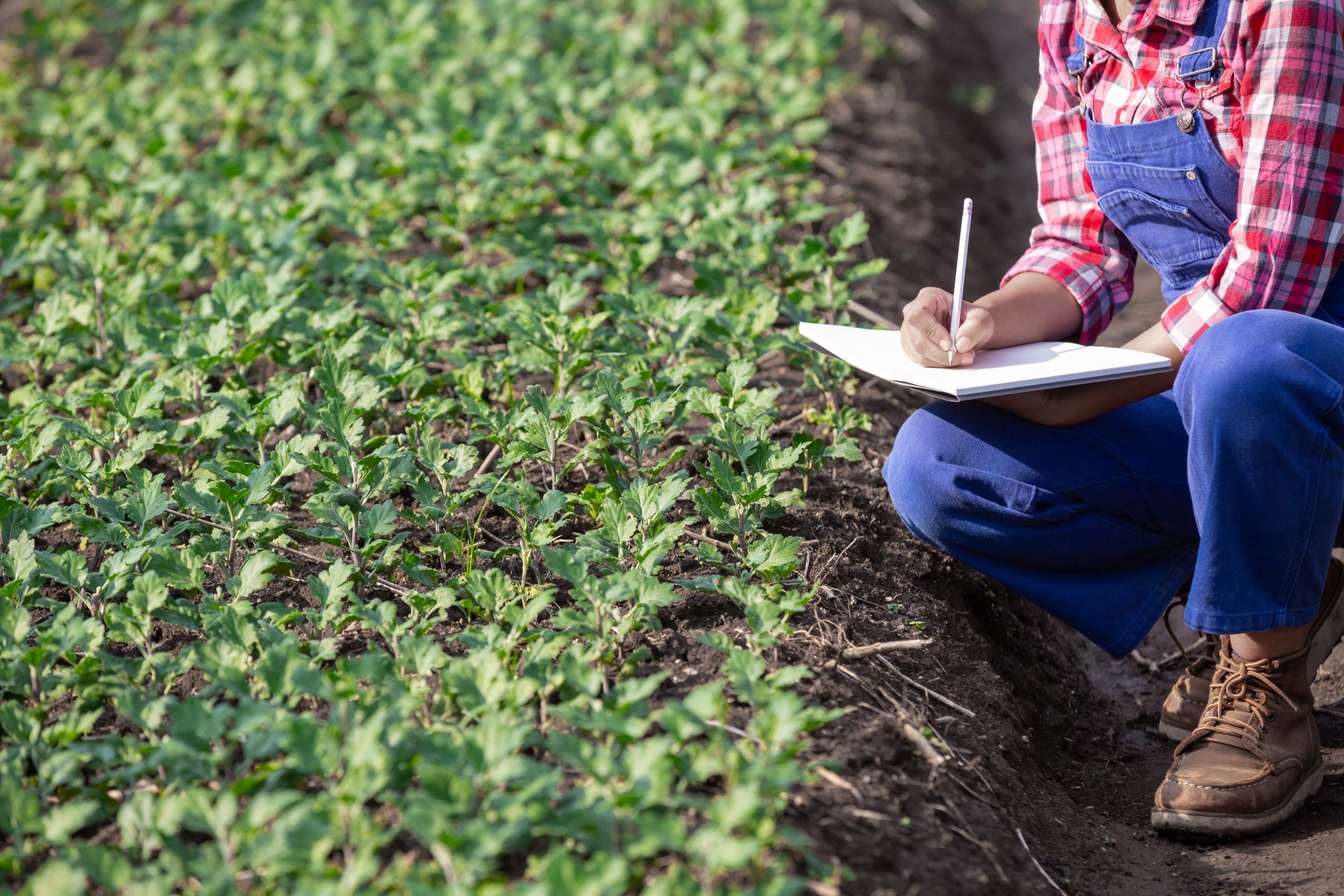
Nutrient Analysis
Why : To measure essential macro and micronutrients in soil.
What we test : N, P, K, Ca, Mg, S, Zn, Fe, Mn, Cu, B.
Who needs it : Farmers, agri input suppliers, food companies.
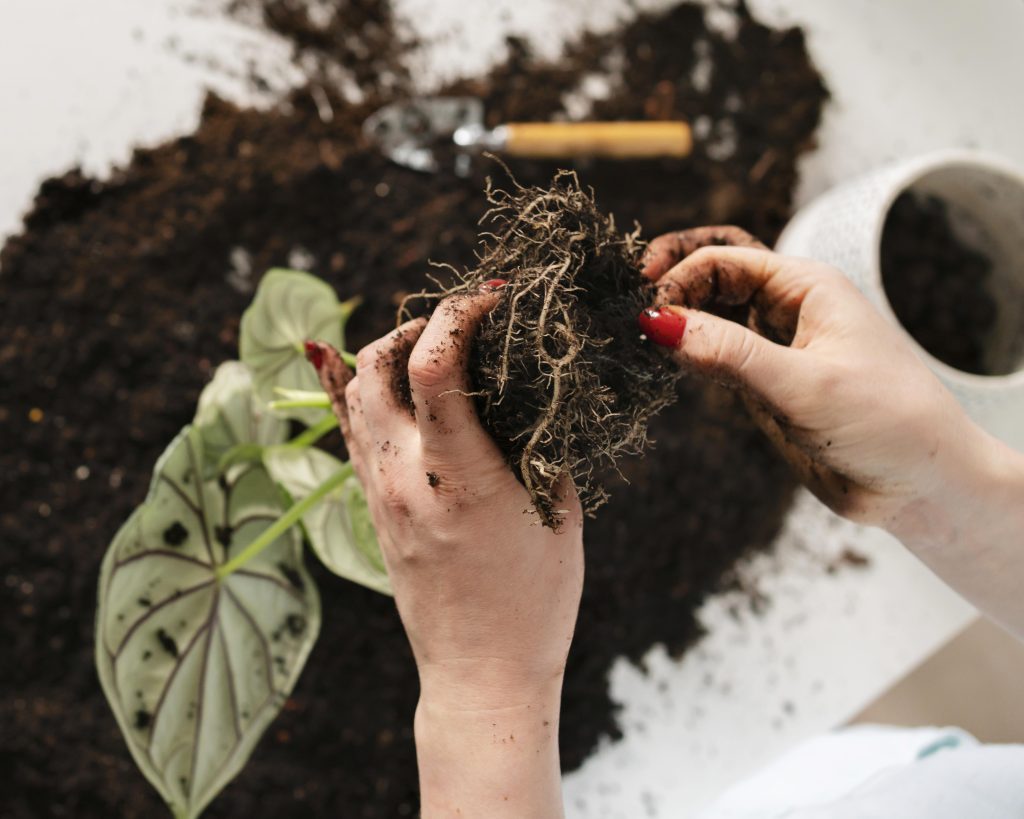
Soil Health & Fertility Testing
Why : Soil structure and organic matter affect productivity.
What we test : Organic carbon, CEC, pH, electrical conductivity, texture.
Who needs it : Farmers, cooperatives, contract farming units.

Contaminant & Heavy Metals Testing
Why : Toxic metals affect crop safety and human health.
What we test : Lead, cadmium, arsenic, mercury, chromium.
Who needs it : Farmers near industrial zones, exporters, organic farms.

Pesticide Residue Testing in Soil
Why : Residues accumulate in soil and enter food chains.
What we test : Organophosphates, organochlorines, carbamates, pyrethroids.
Who needs it : Export oriented farming, food brands, organic certification.

Salinity & Sodicity Testing
Why : High salinity damages soil productivity.
What we test : Sodium adsorption ratio (SAR), exchangeable sodium, EC levels.
Who needs it : Irrigated farming regions, desert/semidry zones.
Benefits of Soil Testing with Prewel Labs
Boost Productivity
Higher yields with balanced nutrition.
Reduce Costs
Optimize fertilizer use, avoid waste.
Ensure Safety
Detect contaminants and residues early.
Compliance Ready
Meet FSSAI, APEDA, and export quality standards.
Digital Dashboard
Real time soil test reports, insights, and AI foresight.

Who We Serve
Farmers & Cooperatives
Improve yield and profitability
Agri Input Companies
Validate soil health solutions and fertilizers
Food & Beverage Brands
Ensure raw material safety and compliance
Exporters
Meet global market standards for produce safety
Soil Testing at a Glance
| Test Type | Why It Matters | Key Parameters | Who Needs It |
|---|---|---|---|
| Nutrient Analysis | Ensures balanced crop nutrition | N, P, K, micronutrients | Farmers, agri-input firms |
| Soil Health & Fertility | Improves productivity & soil life | Organic carbon, pH, CEC, texture | Farmers, cooperatives |
| Heavy Metals | Prevents toxic contamination in crops | Pb, Cd, As, Hg, Cr | Exporters, organic farms |
| Pesticide Residues | Protects food safety & exports | OPs, OCs, carbamates, pyrethroids | Exporters, food brands |
| Salinity & Sodicity | Prevents soil degradation | SAR, sodium levels, EC | Irrigated farming zones |
FAQs
How should I collect a soil sample for testing?
Use a clean tool and collect soil from 5–10 spots in a zig-zag pattern, at a depth of:
- 0–15 cm for most crops
- 15–30 cm for deep-root crops
Mix and take a composite sample.
How much soil is required for testing?
Typically, 500 g to 1 kg of soil is sufficient for a complete test panel.
Can you help with on-site soil sample collection?
Yes. We offer on-site collection for farms, contract farming units, estates, and agri-businesses.
How often should soil testing be done?
Ideally:
- Before every crop season (Rabi/Kharif)
- Once every 6–12 months for regular farms
- After major flooding, chemical spills, or land-leveling activities
Should soil testing be done before choosing a crop?
Yes. Soil properties (pH, nutrients, texture, salinity) determine which crops will perform best.
Do you provide crop-specific nutrient recommendations?
We will give Suggestions based on tested parameters, but we can’t give customised report
Do you test soil used for hydroponics, potting mixes, or rooftop farming?
Yes. We test nutrient levels, pH, EC, microbial activity, and contamination in all types of grow media.
Can soil testing detect contamination from nearby industries?
Yes. Heavy metals, chemical runoff, and industrial pollutants can be identified and traced.
Do you provide advice on improving soil health after testing?
Yes. Our agronomists guide on:
- Correcting pH
- Organic amendments
- Fertilizer schedules
- Soil conditioners
- Salinity and sodicity management
What should I do if heavy metals or pesticide residues are detected?
We recommend remediation strategies such as:
- Biochar
- Organic amendments
- Crop rotation
- Phytoremediation
- Restricting contaminated zones
Do you test irrigation water along with soil?
Yes. Testing water for salinity, hardness, and contaminants ensures it does not damage soil quality over time.
Can you help evaluate soil’s long-term sustainability?
We currently do not provide long-term soil sustainability evaluation. However, we can help with soil nutrient analysis and other routine soil parameters if required.
Is soil testing required for export-oriented crops?
Yes. Export markets require proof of safe soil (free from metals and residues).
Especially for:
- Tea
- Spices
- Fruits
- Vegetables
- Organic produce
Are your soil test reports accepted internationally?
Our soil testing reports are based on the Government of India Soil Testing Manual and IS methods. While we do not currently follow APEDA, Codex, or GlobalGAP guidelines, our methods ensure scientifically reliable and accurate results suitable for general assessment and advisory use
Do you provide soil testing services across India?
Yes. We support farmers, estates, and agri-businesses across all states.
Can you handle large-scale or multi-location farm testing?
Yes. We offer sampling coordination, GIS mapping, and consolidated multi-farm reports.
Do you work with international agri companies?
Yes. We assist global buyers and exporters in assessing soil for sourcing contracts.
How long does soil testing take?
Typically, 3–7 days depending on the test panel.
How should soil samples be stored before testing?
Store them in a clean, dry container away from sunlight. Avoid plastic bags for wet soil.
Does your digital dashboard show long-term soil trends?
No. However, we can provide soil test results for each sampling period, and clients can compare them to understand changes over time.
Is my soil data kept confidential?
Absolutely. Data is encrypted and secure, shared only with authorized stakeholders.
How much does soil testing cost?
Pricing depends on:
- Crop type
- Number of parameters
- Farm size
- Sample count
Custom packages are available for cooperatives and agribusinesses.
Do you offer annual soil health monitoring packages?
Yes. AMC includes seasonal soil tests, water tests, and fertilizer planning.
Do you provide emergency soil testing after contamination or crop failure?
Yes. We offer rapid testing for:
- Chemical spills
- Sudden crop damage
- Industrial runoff
- Pesticide misuse