






















RO Water Dialysis Testing: Best Practices & Protocols Guide
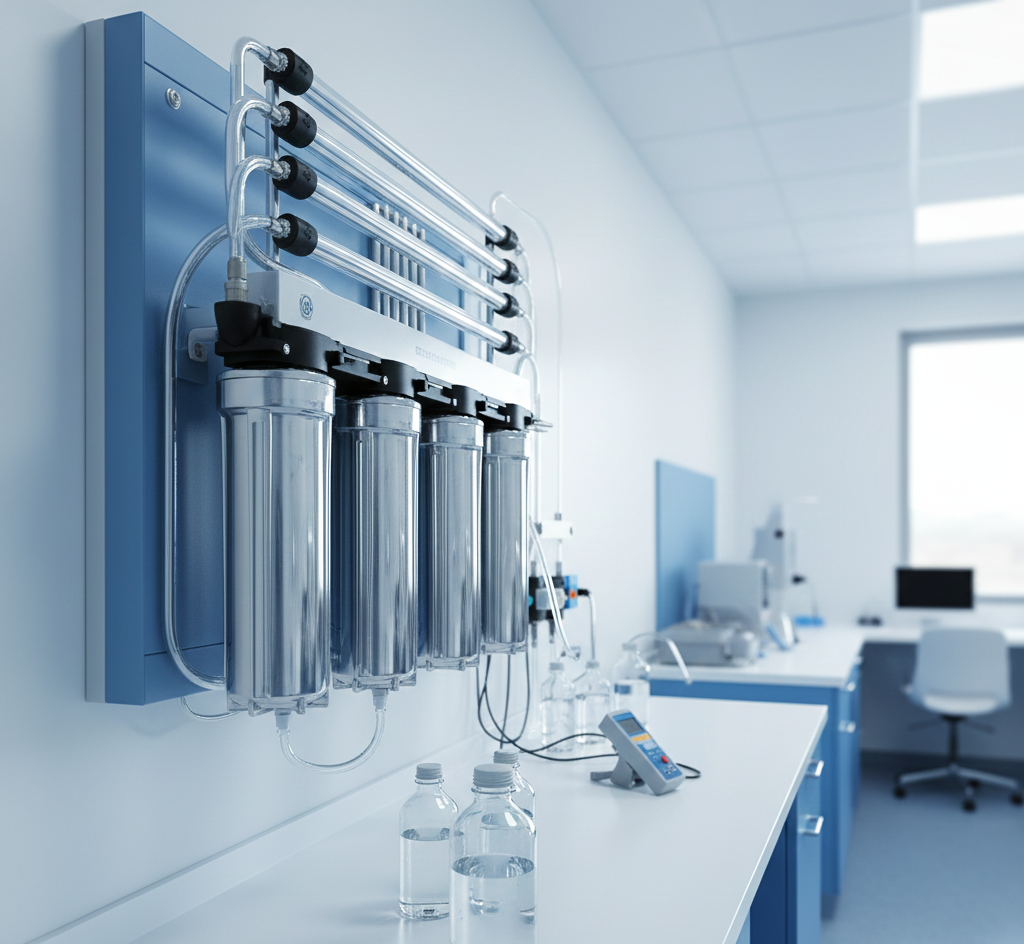
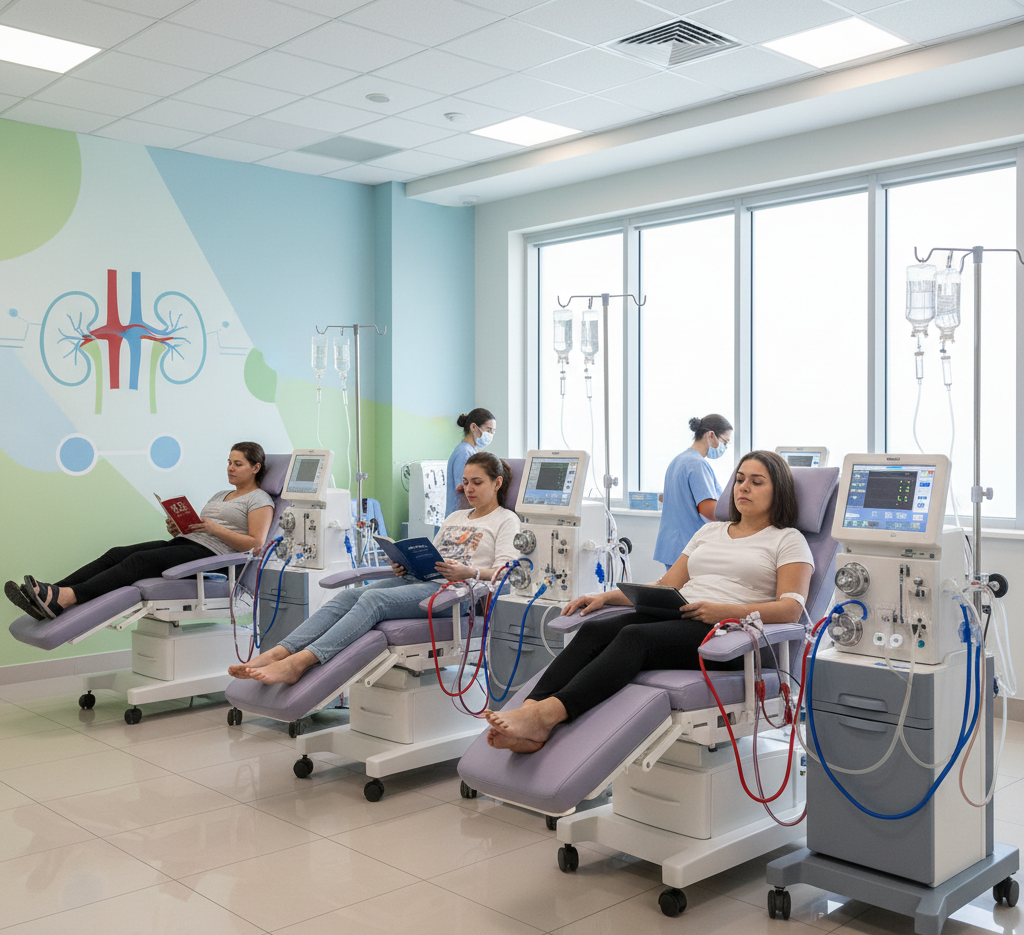
Reverse Osmosis (RO) water systems are integral to the dialysis process, providing purified water essential for hemodialysis. The quality of water used in dialysis directly impacts the health and safety of patients, as contaminants or impurities in the water can lead to adverse effects such as infections or toxin buildup. Therefore, rigorous testing and monitoring of RO water quality are crucial to ensure it meets established standards such as those defined by the Association for the Advancement of Medical Instrumentation (AAMI). In this blog, we’ll explore the best practices and protocols for performing RO water testing for dialysis.A structured RO Water Dialysis Testing program helps dialysis centers maintain consistent water purity and regulatory compliance.
Understanding RO Water in Dialysis
RO water is produced by passing untreated tap water through a membrane that removes most impurities, including salts, bacteria, and other dissolved substances. This purification process is vital, as dialysis patients are particularly sensitive to contaminants. The water used in dialysis must meet strict purity standards to avoid complications such as pyrogenic reactions, infections, or electrolyte imbalances. These requirements are also aligned with specifications outlined in the European Pharmacopoeia. Without proper RO Water Dialysis Testing, contaminants may go undetected and pose serious health risks to patients undergoing treatment.
Why RO Water Testing is Crucial in Dialysis
The primary goal of RO water testing is to ensure that the water used in dialysis is free from harmful contaminants. Contaminants in RO water can come from various sources, including:
- Source water contamination: If the tap water supply itself has contaminants like heavy metals, chlorine, or bacteria, the RO system may not remove them effectively.
- RO system malfunction: A malfunction in the RO system, such as a broken membrane or filter, can lead to the presence of residual contaminants.
- Storage and distribution system issues: The water quality can degrade if the storage tanks or distribution lines are not regularly maintained or disinfected.
Failure to test RO water regularly can lead to serious health risks for dialysis patients, including sepsis, pyrogenic reactions, or water toxicity, as highlighted in infection prevention guidance from the Centers for Disease Control and Prevention (CDC).
Key Parameters for RO Water Dialysis Testing
There are several critical parameters that must be tested to ensure that RO water is safe for dialysis. These include:
- Endotoxins (Pyrogens)
Endotoxin monitoring is a critical component of any RO Water Dialysis Testing strategy. Endotoxins, primarily derived from bacterial contamination, are one of the most critical tests for dialysis water. Even small amounts of endotoxins can lead to serious reactions in patients undergoing dialysis. The standard limit for endotoxins in dialysis water is typically 0.25 EU/mL.- Test Method: The Limulus Amebocyte Lysate (LAL) assay is commonly used for detecting endotoxins in water.
Read More: Bacterial Endotoxin Testing (BET): A Detailed Overview
- Chlorine and Chloramine Levels
Chlorine and chloramines are used in municipal water treatment but can be toxic to patients undergoing dialysis. Even trace amounts can cause hemolysis (destruction of red blood cells) during dialysis.- Test Method: A chlorine test strip or colorimetric method can be used for testing the levels of chlorine and chloramines in the water.
- Total Dissolved Solids (TDS)
TDS refers to the concentration of dissolved substances in water, including salts, minerals, and metals. High TDS levels can affect the quality of dialysis and the functioning of the RO system.- Test Method: A TDS meter measures the conductivity of the water, which correlates with the total dissolved solids.
- pH Level
The pH of dialysis water must be within a specific range (typically 6.5 to 7.5) to ensure it doesn’t cause chemical imbalances in patients.- Test Method: A pH meter or pH test strips can be used to measure the water’s acidity or alkalinity.
- Microbial Contamination (Bacteria)
Although the RO process significantly reduces bacterial contamination, testing for residual bacteria is important to prevent infections.- Test Method: Microbial culture tests or ATP bioluminescence assays can be used to detect viable microorganisms in water.
- Heavy Metals
Heavy metals like lead, mercury, or cadmium can be harmful to dialysis patients. Testing for heavy metals is essential for water safety.- Test Method: Atomic absorption spectroscopy (AAS) or ICP-MS (Inductively Coupled Plasma Mass Spectrometry) can be used to detect trace amounts of heavy metals in water.
- Alkalinity and Hardness
Excessive hardness or alkalinity in RO water can affect the function of the dialysis equipment and lead to scaling in the system.- Test Method: Titration methods are typically used to test for hardness and alkalinity.
Best Practices for Performing RO Water Dialysis Testing
- Routine Testing
RO water testing should be performed regularly to ensure consistent water quality. Daily or weekly testing is often recommended, depending on the facility’s usage. In addition, testing should be conducted after any maintenance or changes to the RO system. - Follow Manufacturer’s Guidelines
The specific protocols for testing RO water can vary depending on the equipment used, so always follow the manufacturer’s guidelines for testing frequency and procedures. - Proper Sampling Techniques
Collect samples of RO water from various points in the system, including the feed water, the treated water, and the storage tank. It’s important to take samples at different stages of the process to ensure the water quality remains consistent throughout the entire system. - Calibration of Testing Equipment
Make sure that testing equipment such as pH meters, TDS meters, and LAL assays are calibrated regularly to maintain accurate results. Regular calibration ensures the reliability of the test results.
Read More: Sterility Testing: Ensuring Medical Device Safety
- Documentation and Compliance
Maintaining thorough records of RO water testing results is vital for compliance with regulatory standards and for internal quality assurance purposes. Documentation can also be used to identify trends and issues that may require attention. - Periodic Maintenance of the RO System
Regular maintenance of the RO system is critical for ensuring the water quality. This includes replacing filters, cleaning the membranes, and checking for leaks or cracks in the system that may allow contaminants to bypass the RO process. Preventive maintenance directly supports the long-term efficiency of RO Water Dialysis Testing systems - Train Personnel
Personnel involved in RO water testing should be well-trained in the procedures for sampling, testing, and interpreting results. They should also understand the potential impact of contamination and be prepared to respond to test results that exceed safe limits.Proper training ensures that staff execute RO Water Dialysis Testing accurately and consistently.
Protocol for Performing RO Water Dialysis Testing
- Sample Collection
- Collect water samples from different points in the RO system, including the feed water, post-RO treatment, and the final storage.
- Ensure that all containers used for sample collection are clean and sterile.
- Perform the Necessary Tests
- Conduct tests for endotoxins, chlorine, TDS, pH, microbial contamination, and heavy metals as per the outlined parameters.
- For endotoxins, use the LAL assay and ensure the sample is properly prepared to avoid cross-contamination.
- Interpret Test Results
- Compare test results against established limits for safe dialysis water. If any parameters exceed the permissible limits, corrective actions should be taken immediately.
- Take Corrective Actions
- If any parameter is out of specification, the RO system should be inspected and repaired. Possible actions include replacing filters, membranes, or disinfecting the system.
- Record and Report
- Document all test results, corrective actions taken, and any system maintenance performed. Ensure that the results are accessible for audits and regulatory inspections.
Read More: Nurturing Health and Environment Through Water Quality Testing
How Prewel Labs Can Help You
At Prewel Labs, we specialize in water testing solutions for dialysis systems, ensuring that your RO water meets the stringent purity standards required for patient safety. Our comprehensive testing services include endotoxin detection, microbial testing, heavy metal analysis, TDS measurements, and more. With our state-of-the-art testing equipment and expert team, we help dialysis centers maintain optimal water quality, comply with regulatory standards, and safeguard patient health. Let Prewel Labs assist you in ensuring the highest quality dialysis water for your patients.