
















Why Test Your Water?
Water touches every part of life and business, from what we drink and where we swim, to the medicines we manufacture and the environment we protect.
However, water quality can easily be compromised by:
- Heavy metals, pesticides, and industrial pollutants
- Microbial contamination (E. coli, coliforms, pathogens)
- Excessive mineral content affecting health and equipment performance
- Chemical residues and toxins harmful to people and ecosystems
Regular Water Testing Helps You Ensure:
Regular Water Testing Helps You Ensure:
- Protection of public health and safety
- Compliance with FSSAI, BIS, WHO, CPCB, and ISO standards
- Prevention of penalties, shutdowns, and operational risks
- Stronger trust with customers, regulators, and stakeholders
Types of Water We Test
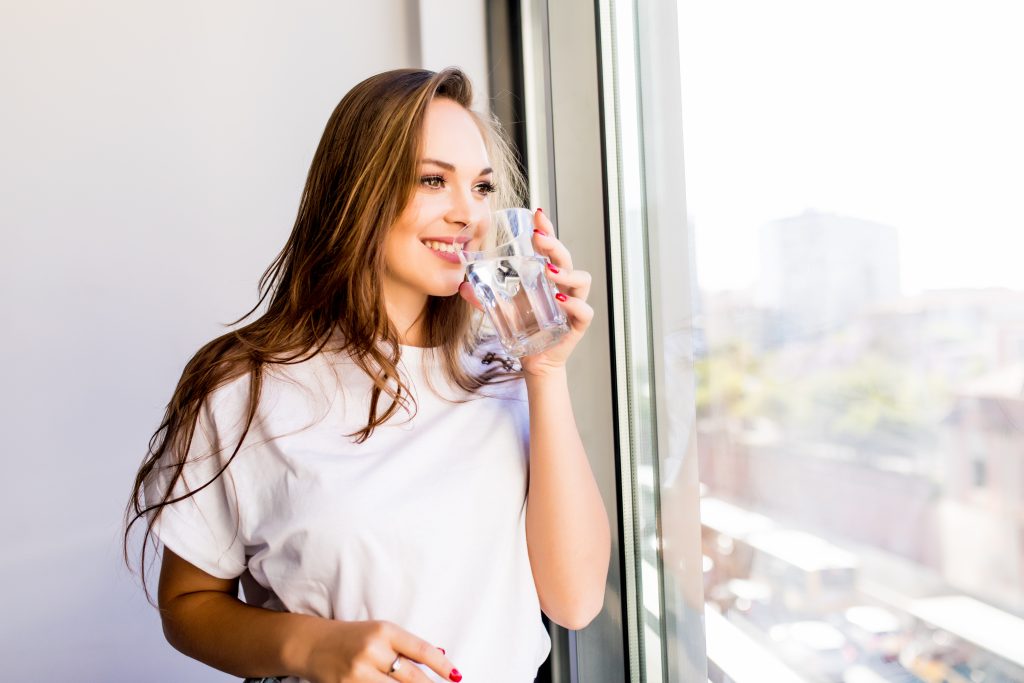
Drinking Water
Why test: Ensure water is safe for daily consumption and free from contaminants that can cause illness.
Parameters: pH, TDS, hardness, heavy metals, microbial load, pesticides.

Swimming Pool Water
Why test: Maintain hygiene, prevent skin/eye irritation, and comply with safety standards.
Parameters: Chlorine levels, turbidity, microbial contamination, pH balance.

Reagent Grade Water
Why test: Essential for pharma and biotech labs where even slight impurities can compromise results.
Parameters: Conductivity, resistivity, TOC, endotoxins, microbial count.
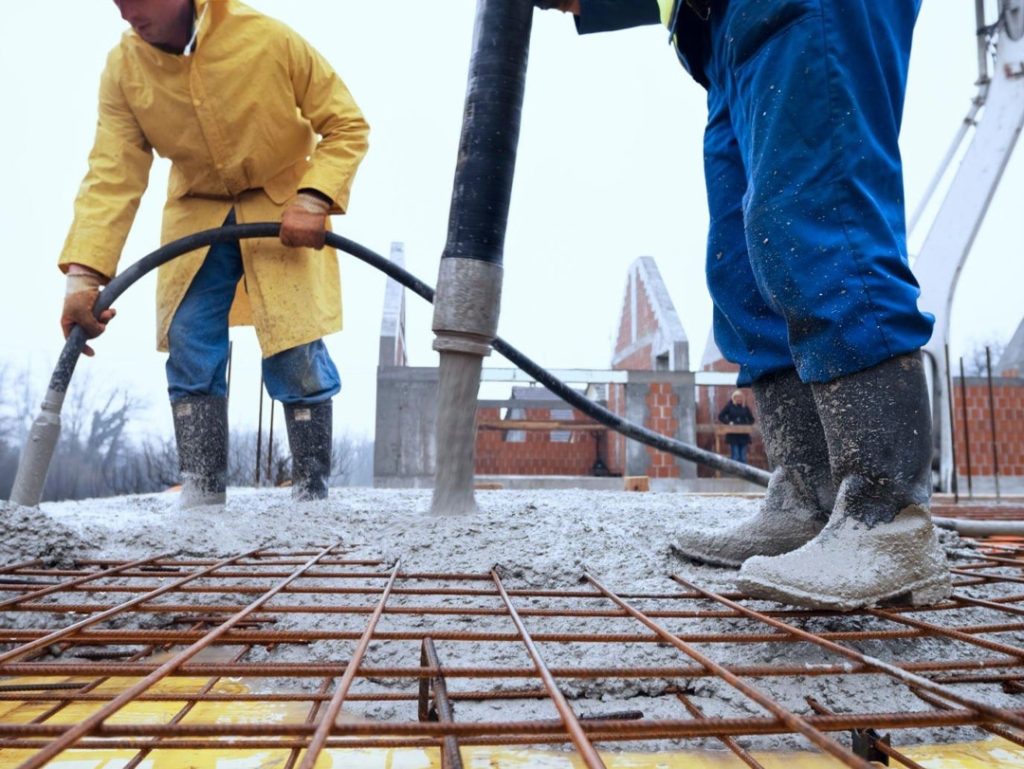
Construction Water
Why test: Water with salts, chlorides, or excess minerals can weaken concrete and compromise structural integrity.
Parameters: Alkalinity, hardness, chlorides, sulfates, organic matter.
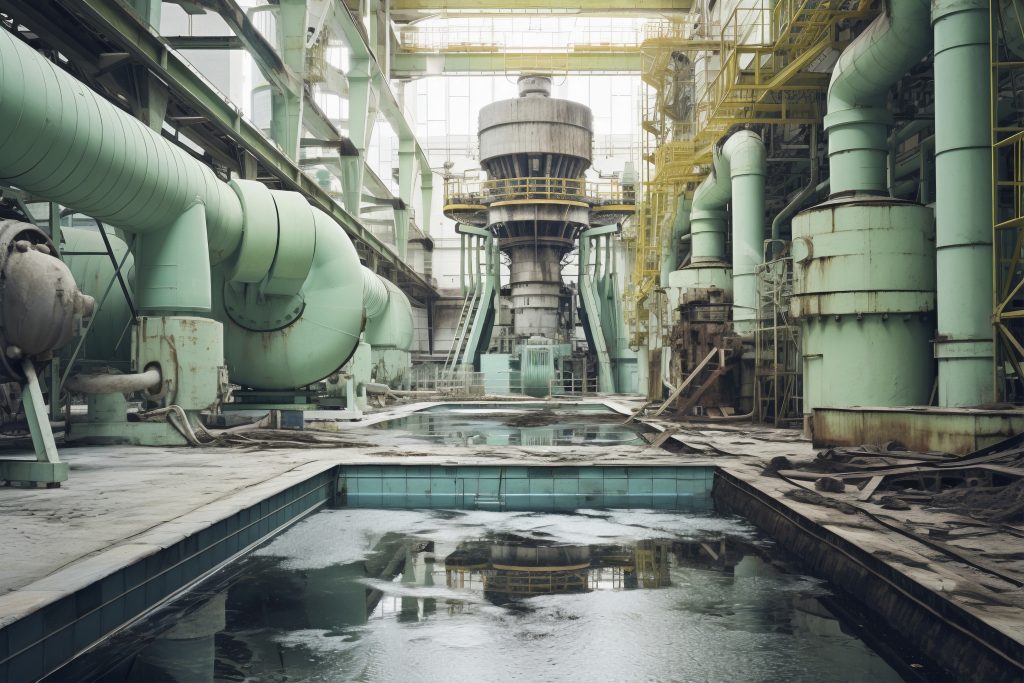
STP (Sewage Treatment Plant) Water
Why test: Ensure treated wastewater is safe for reuse or discharge, meeting all CPCB norms.
Parameters: BOD, COD, TSS, coliforms, nitrates, phosphates.
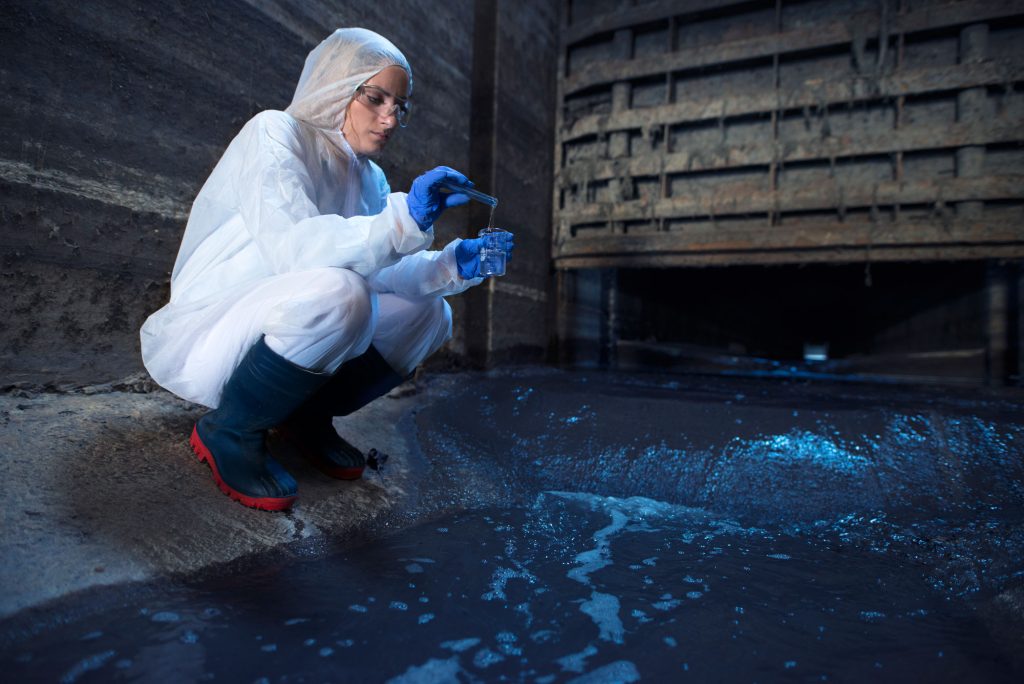
ETP (Effluent Treatment Plant) Water
Why test: Industrial wastewater must be properly treated to avoid legal action and environmental damage.
Parameters: Heavy metals, phenols, oils/grease, cyanides, fluorides.
Benefits of Testing with Prewel Labs
Accredited Accuracy
NABL accredited testing with global standards to ensure your results are precise and reliable.
Digital Dashboard
Access real time results, download audit ready records, and get AI powered foresight.
Comprehensive Testing
End to end solutions for drinking, industrial, and environmental water analysis.
Compliance Ready
Meet all major national and international benchmarks, including BIS, CPCB, and FSSAI.
Peace of Mind
Gain the confidence that you are protecting people, your products, and the planet.
Who We Serve
Corporates & Factories
Utility, process, and discharge water compliance
Pharma & Medical Devices
Reagent grade and process water validation
Hotels, Resorts, and Housing Societies
Drinking and swimming pool water safety
Construction Companies
Water quality for structural durability
Municipalities & Institutions
Public water safety and compliance
Water Testing at a Glance
| Water Type | Risks if Not Tested | Key Parameters Tested | Who Needs It |
|---|---|---|---|
|
Drinking Water (Borewell, Well, Municipal) | Waterborne diseases, heavy metal toxicity, consumer health issues | pH, TDS, hardness, heavy metals, microbial load, pesticides | Households, corporates, institutions, housing societies, municipalities |
| Swimming Pool Water | Skin/eye irritation, infections, unsafe recreational use | Chlorine levels, turbidity, microbial contamination, pH | Hotels, resorts, housing complexes, sports clubs |
| Reagent Grade Water | Compromised lab results, failed experiments, non compliance in pharma production | Conductivity, resistivity, TOC, endotoxins, microbial count | Pharma, biotech, R&D labs, hospitals |
| Construction Water | Weak concrete strength, corrosion, reduced building life | Alkalinity, hardness, chlorides, sulfates, organic matter | Builders, contractors, infrastructure companies |
|
STP Water (Sewage Treatment Plant) | Unsafe reuse, regulatory fines, environmental damage | BOD, COD, TSS, coliforms, nitrates, phosphates | Factories, housing societies, municipalities, institutions |
|
ETP Water (Effluent Treatment Plant) | Legal penalties, pollution, harm to ecosystems | Heavy metals, phenols, oils/grease, cyanides, fluorides | Industries (textiles, pharma, chemicals, food processing, etc.) |
Still unsure which water test you need? Talk to an Expert
FAQs
How common are waterborne diseases in India?
A study estimates that around 37.7 million Indians are affected by waterborne diseases like diarrhoeal every year.
Is Bangalore’s drinking water unsafe?
Recent studies show that between ~30% and ~70% of tested water sources or household samples in different parts of Bengaluru exceed one or more safe-water standards (for microbiological or chemical parameters), depending on the zone and the parameter tested.
What makes Prewel Labs a reliable water testing partner?
Our facility in Bangalore is NABL accredited and follows rigorous standards described in ISO 17025:2017 along with those enforced by BIS and APHA. We are an ISO certified lab in the heart of Bangalore.
What standards does Prewel Labs follow for water testing?
We follow IS 10500 for drinking and borewell water, IS 14543 for packaged drinking water, IS 13428 for natural mineral water, IS 4251 for food processing water, and CPCB guidelines for STP testing.
Can contaminated water cause skin infections?
Yes. Testing helps protect you from skin infections caused by chemical or microbial contaminants.
Can water quality impact hair fall?
Yes. Avoid hair fall by ensuring your water is free from hardness, microbes, and harmful chemicals.
How does poor water quality damage home appliances?
Hard water causes scaling and buildup that can damage appliances such as geysers, washing machines, and RO systems.
Why should businesses test water used in food processing?
Water plays a direct role in food safety. IS 4251 ensures water used in food processing is safe and compliant.
How often should water be tested?
For drinking: every 3 months is recommended.
For industries: monthly, quarterly, or based on regulatory guidelines (IS 10500, WHO, FSSAI, pharma GMP, etc.).
For RO plants: monthly or after any maintenance.
What types of water can be tested?
Drinking water, borewell water, RO water, packaged drinking water, industrial water, cooling tower water, boiler feed water, Construction water, Dialysis water, process water, purified water (PW), WFI, and wastewater.
What testing parameter are included in water testing at Prewel Labs?
- Microbiology – Total Plate Count, Coliforms, E. Coli, Pathogens.
- Chemical – pH, Hardness, TDS, Heavy Metals, Nitrates, Sulphates, Chloride, Fluoride, Alkalinity, Residual Free Chlorine, Reactive Silica, Silica, Colloidal Silica, Aluminium, Copper, Iron, Sodium, Potassium, COD, BOD, Ammoniacal Nitrogen, Total Nitrogen, TSS, Zinc, Calcium, Magnesium,
- Physical – Colour, Odour, Turbidity.
- Advanced – Pesticides, VOCs, Solvents, Endotoxins (for pharma).
How do I know which tests I need?
Based on use-case:
- Home/office drinking: Basic + microbial.
- Industries: As per FSSAI, IS 10500, GMP, or SOP requirements.
- Hospitals: Microbiology-heavy metals, Electrolytes and basic testing.
- Pharma: As per IP/USP monographs.
Who collects the water sample?
We can send a trained technician, or you can collect it following the lab’s instructions.
How should I collect a water sample?
Use a clean, sterilised bottle. Let the water run for 2–3 minutes before collecting. Avoid touching the inside of the bottle or cap.
How much water is needed for testing?
Usually 500 ml to 5 litres, depending on test parameters.
How long can a sample be stored before testing?
Ideally within 6 hours for microbiology.
Chemical testing can be done within 24 hours, depending on the parameter.
How long does it take to get results?
3-5 days depending on the complexity of tests.
Microbiology tests may require 24–48 hours for incubation.
Will I receive a soft copy of the report?
Yes. We will send PDF reports via email or dashboard access.
Do you provide NABL-accredited reports?
Yes, we provide NABL accredited reports for the specific parameters.
Is my water safe after testing?
Report interpretation will tell you. If levels exceed limits, we will advise corrective actions (new filters, RO servicing, flushing, chlorination, etc.).
What standards are used for comparison?
- IS 10500 (Drinking Water Standard – India)
- FSSAI
- WHO Guidelines
- Indian Pharmacopoeia / USP / BP (for pharma)
How much does water testing cost?
Depends on the panel:
- Basic/home testing: ₹500 – ₹2000 (Depends on parameter)
- Full chemical + microbial: ₹2000 – ₹7000 (Depends on parameter)
- Industrial/pharma panels: custom pricing depending on 30 – 60 parameters
Do you provide pickup service?
Yes, we offer sample collection pickup.
Can we schedule periodic testing or AMC?
Yes. Monthly, quarterly, or custom packages are available.
Why does RO water taste flat?
RO removes minerals, so the water may taste bland. This is normal.
My water has smell/colour. What should I test?
Perform full chemical + microbiological testing to identify the cause (Residual free chlorine, Manganese, iron, sulphur, organic contamination, bacteria, etc.).