























Why Test Medical Devices?
Medical devices play a critical role in patient safety and healthcare outcomes. Even a minor failure in material quality, cleanliness, or sterility can cause serious harm, trigger product recalls, and erode brand trust.
Without proper testing, you risk:
- Patient injuries or compromised treatment outcomes
- Regulatory non-compliance and delayed approvals
- Costly recalls, penalties, and reputational damage
- Loss of market access due to failed certifications or audits
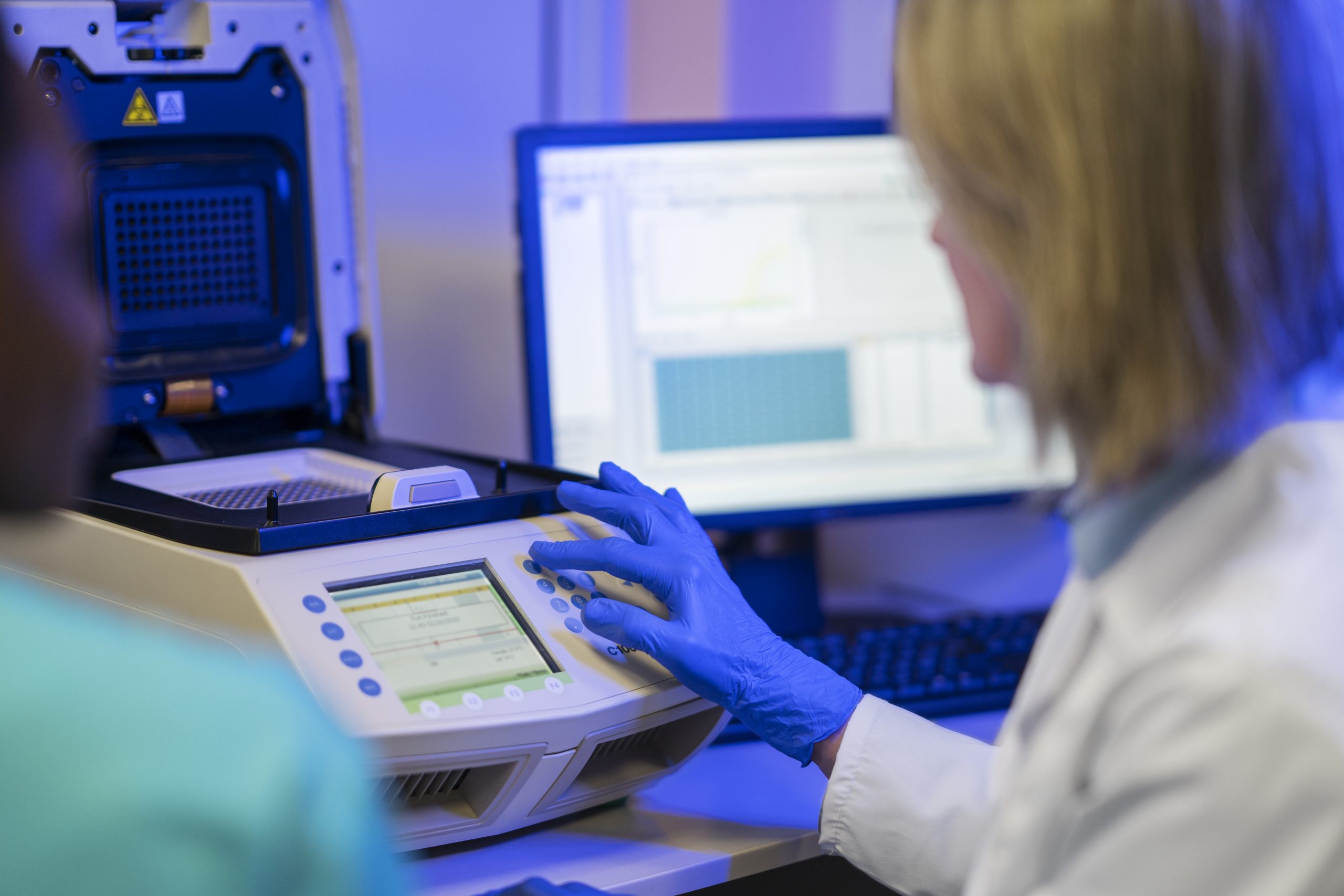
Regular Medical Device Testing Helps You Ensure:

Regular Medical Device Testing Helps You Ensure:
- Device safety, accuracy, and reliability in real-world use
- Early detection of wear, faults, or contamination to prevent failures
- Compliance with ISO 13485, FDA, EU MDR, BIS, and CDSCO standards
- Long-term trust with healthcare providers and end users
Types of Medical Device Testing We Provide

Biocompatibility Testing
Why : To ensure device materials are safe for human use.
What we test : Cytotoxicity, irritation, sensitization, hemocompatibility, systemic toxicity.
Who needs it : Implantable and non implantable device manufacturers.
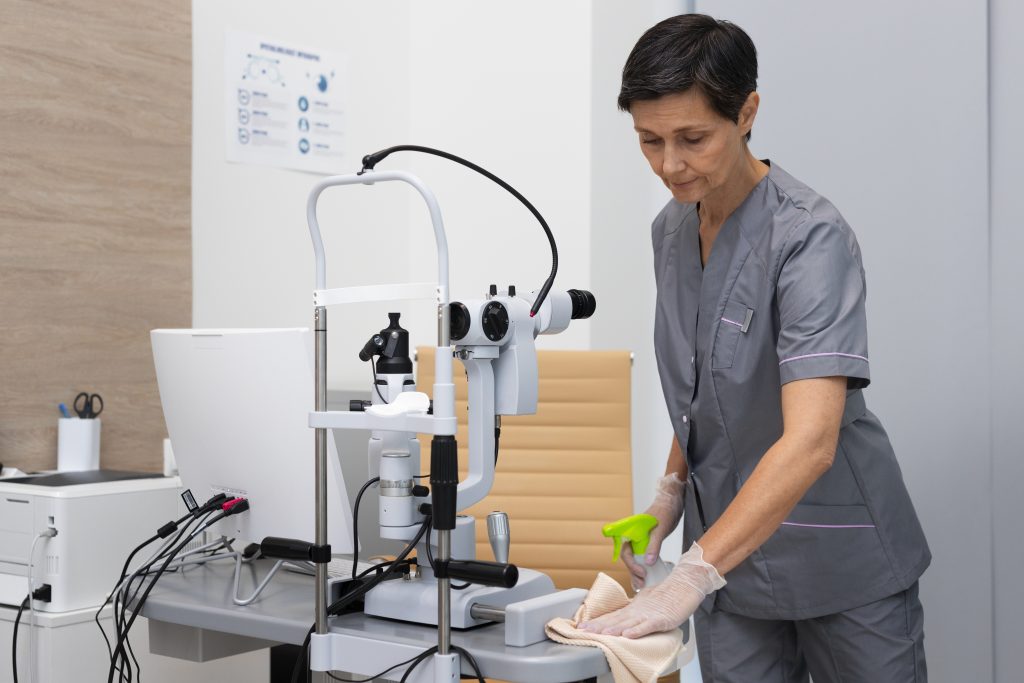
Cleaning Validation
Why : Residual contaminants can cause infections or device failure.
What we test : Residual protein, endotoxins, detergents, microbial residues.
Who needs it : Reusable medical devices, surgical instruments, endoscopes.
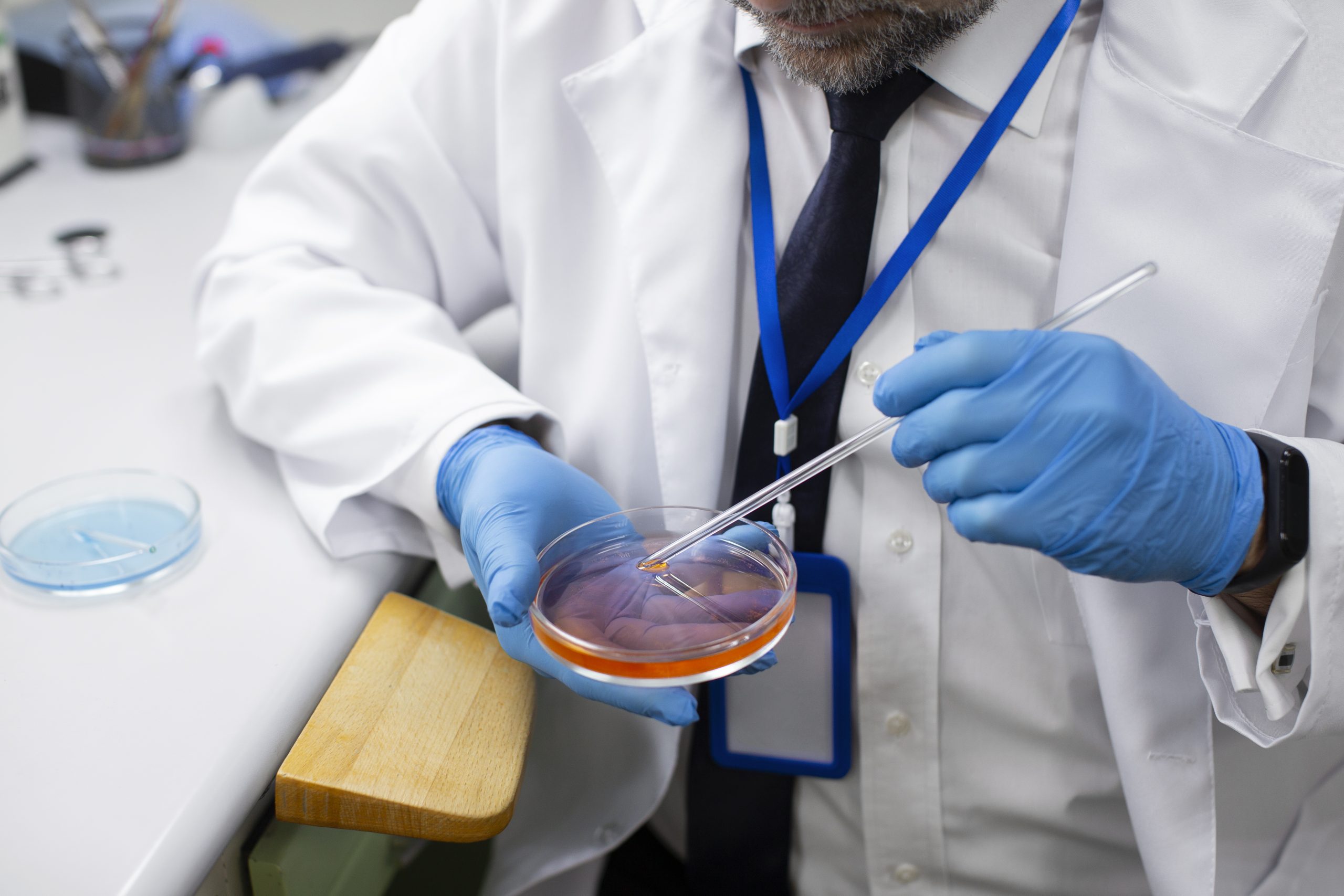
Sterility & Microbial Testing
Why : Devices must remain sterile until point of use.
What we test : Sterility assurance, bacterial endotoxins, bioburden testing.
Who needs it : Single use devices, sterile packaging, surgical kits.
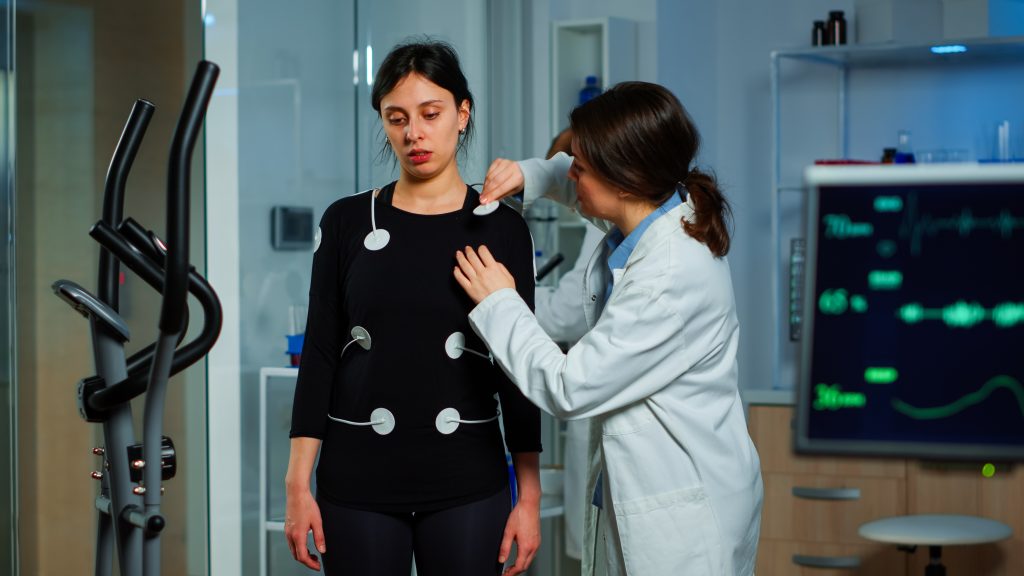
Physical & Mechanical Testing
Why : Devices must perform as intended under stress and usage.
What we test : Tensile strength, durability, functionality, packaging integrity.
Who needs it : Consumables, implants, surgical tools, diagnostic devices.
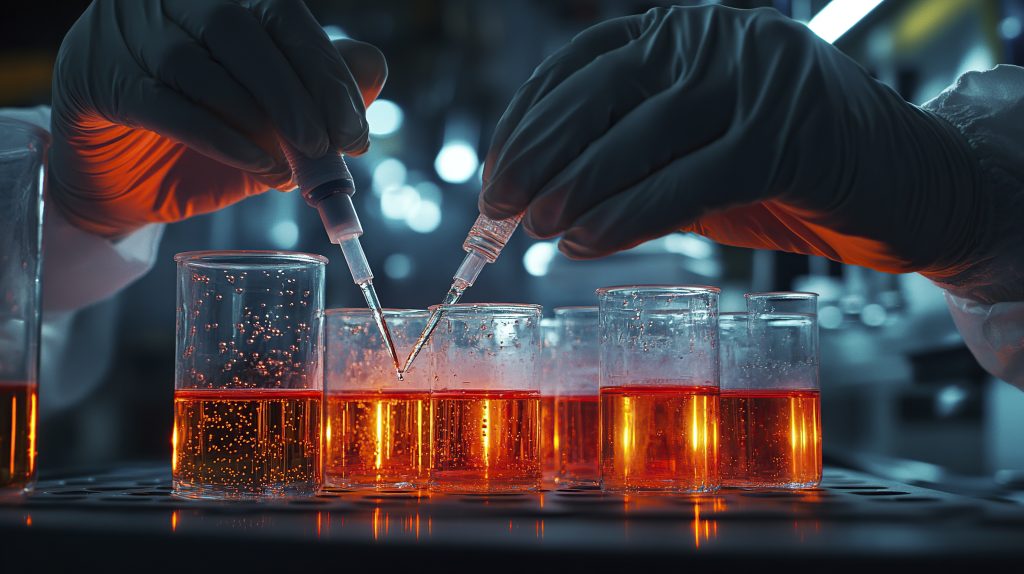
Chemical Characterization
Why : To identify harmful chemicals that may migrate from device materials.
What we test : Volatile/semivolatile organics, heavy metals, residual solvents.
Who needs it : Plastic, polymer, and coated medical devices.
Benefits of Testing with Prewel Labs
Compliance Simplified
Meet ISO 10993, ISO 13485, FDA, EU MDR, BIS, and CDSCO requirements.
Digital Dashboard
Real time results, audit ready reports, and AI foresight.
Risk Prevention
Detect issues early before they reach patients.
Global Readiness
Testing aligned with international regulatory expectations.
Brand Protection
Demonstrate safety and earn trust with regulators &
clinicians.
Who We Serve
Medical Device Manufacturers
Implants, surgical instruments, consumables
Diagnostic Companies
Devices, kits, and testing consumables
Hospitals & Healthcare Providers
Cleaning validation for reusable instruments
Exporters & Global Med Tech Firms
Compliance for FDA, EU MDR, and WHO markets
Medical Device Testing at a Glance
| Test Type | Why It Matters | Key Parameters | Who Needs It |
|---|---|---|---|
| Biocompatibility | Ensures device material safety | Cytotoxicity, sensitization, hemocompatibility | Implant & non implant device makers |
| Cleaning Validation | Prevents infections, ensures safe reuse | Residual protein, endotoxins, microbial residues | Hospitals, reusable device makers |
| Sterility & Microbial | Maintains sterility & patient safety | Sterility assurance, endotoxins, bioburden | Single use device manufacturers |
| Physical & Mechanical | Confirms performance & durability | Tensile strength, packaging integrity | Implants, surgical tools, consumables |
| Chemical Characterization | Detects harmful extractables/leachables | Organics, metals, solvents | Polymer/plastic based devices |
FAQs
Who needs medical device testing?
- Medical device manufacturers
- Hospitals & surgical centres
- Diagnostic device manufacturers
- Importers & exporters
- Startups developing medical innovations
- Sterilization service providers
What types of tests are performed on medical devices?
Common testing categories include:
- Bioburden testing
- Sterility testing
- Bacterial endotoxin testing (BET/LAL)
- Environmental monitoring for cleanrooms
- Chemical characterization
- Material safety & biocompatibility
- Packaging integrity testing
- Accelerated & real-time aging
- Residuals testing (EO residuals, sterilant residues)
Do all medical devices require sterility testing?
No. Only sterile devices (syringes, catheters, implants, dressings, surgical equipment) require sterility testing. Non-sterile devices undergo bioburden and microbial limit tests.
What is bioburden testing?
Bioburden testing measures the number of viable microorganisms present on a device before sterilization. It helps validate and monitor sterilization processes.
What standards are followed for medical device testing?
Testing is performed according to:
- ISO 11737-1 & 11737-2 (bioburden & sterilization validation)
- ISO 11135 / 11137 / 17665 (sterilization standards)
- ISO 10993 series (biocompatibility)
- ISO 13485 (QMS for medical device manufacturers)
- Indian MDR 2017 requirements
- US FDA & EU MDR guidelines (if applicable)
Is NABL accreditation important for medical device testing?
Yes. NABL accreditation ensures test accuracy, global acceptance, and compliance with regulatory bodies during audits.
Can you help with documentation required for regulatory submissions?ng?
Yes. Labs assist with test protocols, reports, validation support, and documentation required for MDR submissions, audits, and certifications.
How many devices are required for testing?
Sample quantity varies based on test type:
- Sterility: 10–20 units
- Bioburden: 3–10 units
- BET: 3–6 units
- Packaging integrity: 10+ depending on method
How should medical devices be packed for sample submission?
Devices must be submitted in sealed, sterile (if applicable), and labelled packaging without tampering. Transport should avoid moisture or temperature exposure.
Do you provide sample pickup?
Yes. Prewel Labs offer pickup with proper handling protocols for sterile or non-sterile devices.
How long does medical device testing take?
- Bioburden: 5–6 days
- BET: 1–2 days
- Sterility test: 14 days (as per pharmacopeia guidelines)
- Aging studies: weeks to months
- Material/chemical tests: 5–10 days
Can you perform urgent/expedited testing?
Yes. Some tests like BET, bioburden, and chemical tests can be expedited upon request.
What types of medical devices can you test?
- Disposables (syringes, needles, catheters)
- Implants (orthopaedic, dental, cardiovascular)
- Surgical instruments
- Diagnostic consumables
- Wound care products
- IVD devices
- Sterilized products
- Medical packaging materials
Do you test reusable medical devices?
Yes. We perform:
- Cleaning validation
- Reprocessing validation
- Microbial contamination analysis
- Reusabality study of Medical devices & components.
- Chemical exposure study.
Do you validate sterilization processes like EO or gamma?
Yes. Labs validate
- Ethylene oxide (EO)
- Gamma radiation
- Electron beam
- Steam sterilization
- VHP sterilization
Do you test packaging integrity?
Yes. We perform bubble leak, dye penetration, seal strength, microbial ingress, and accelerated aging of packaging.
Can you assist startups and innovators with prototype testing?
Yes. Labs help startups with early-stage testing, compliance guidance, and scaling to regulatory requirements.
Do you help identify root causes if a device fails testing?
Yes. We provide corrective action guidance, risk assessment, contamination source analysis, and CAPA support.
Do you support export documentation?
Yes. We provide internationally accepted reports required for EU, US, and Middle East markets.
Can we send medical device samples from any part of India?
Absolutely. You can courier your samples from anywhere in the country. We also provide temperature-controlled and sterile sample pickup services where needed.
Do you support international companies with medical device testing?
Yes. We work with global clients and support testing for companies in Asia, Middle East, Africa, Europe, and the US, especially those looking for reliable and cost-effective NABL/ISO-compliant testing.