





















Why Test Cosmetics?
Cosmetics and personal care products come into direct contact with the skin, hair, and eyes—making safety and quality non-negotiable.
Hidden contaminants or inaccurate labelling can:
- Cause skin irritation, allergies, or infections
- Lead to regulatory actions (BIS, CDSCO, FDA, EU Cosmetic Regulations)
- Result in costly product recalls and long-term brand damage
- Erode consumer confidence and market credibility
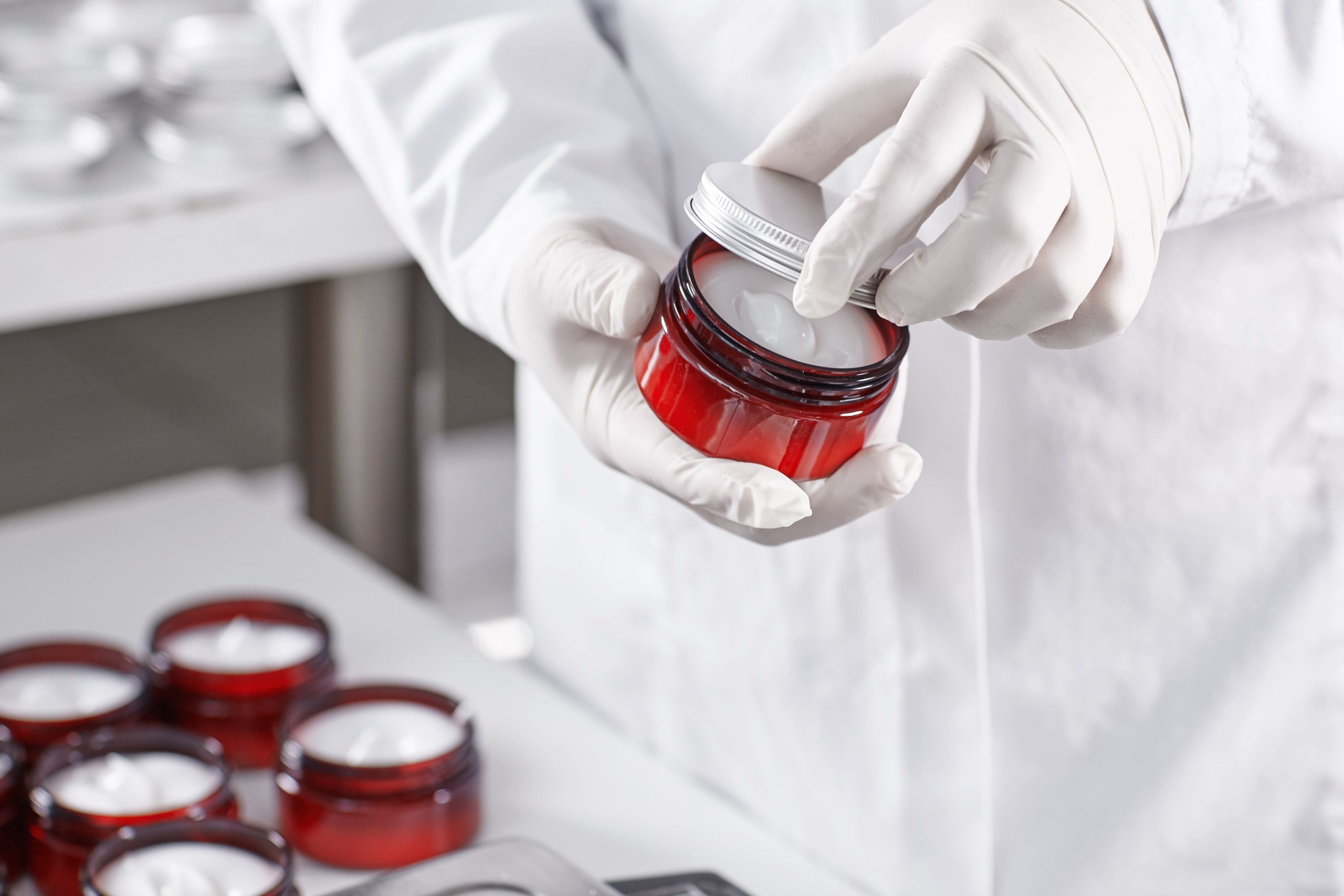
Regular Cosmetics Testing Helps You Ensure:

Regular Cosmetics Testing Helps You Ensure:
- Products are safe, effective, and free from harmful substances
- Compliance with BIS, ISO, FDA, EU, and other global cosmetic standards
- Accurate labelling to meet consumer trust and legal requirements
- Faster and smoother approvals for domestic and export markets
Types of Cosmetic Testing We Provide
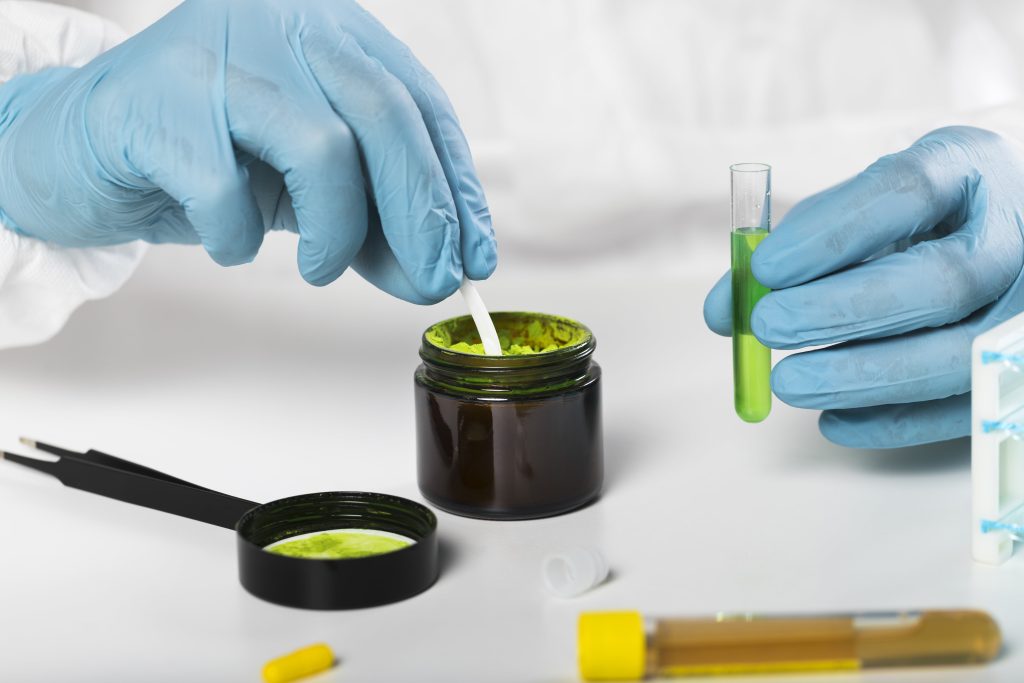
Microbial Contamination Testing
Why : Cosmetics can harbor bacteria, yeast, or mold that cause infections.
What we test : Total viable count, E. coli, Pseudomonas, Staphylococcus aureus, Candida, Aspergillus.
Who needs it : Creams, lotions, shampoos, baby care products.
Heavy Metals Testing
Why : Metals like lead, arsenic, and mercury are toxic and restricted globally.
What we test : Lead, cadmium, mercury, arsenic, chromium.
Who needs it : Lipsticks, kajal, powders, hair dyes.

Preservative Efficacy (Challenge Test)
Why : Preservatives must control microbial growth during shelf life.
What we test : Preservative system’s ability to inhibit microbial growth over time.
Who needs it : All formulations with water content (lotions, creams, gels).
Stability & Shelf Life Testing
Why : Products must remain safe and effective over their storage period.
What we test : Physical, chemical, and microbial stability under different conditions.
Who needs it : Every cosmetic brand before product launch.
Safety & Toxicology Testing
Why : To assess irritation, sensitization, or toxicity risks.
What we test : Patch tests, in-vitro toxicity, dermatological assessments.
Who needs it : New formulations, baby products, sensitive skin products.
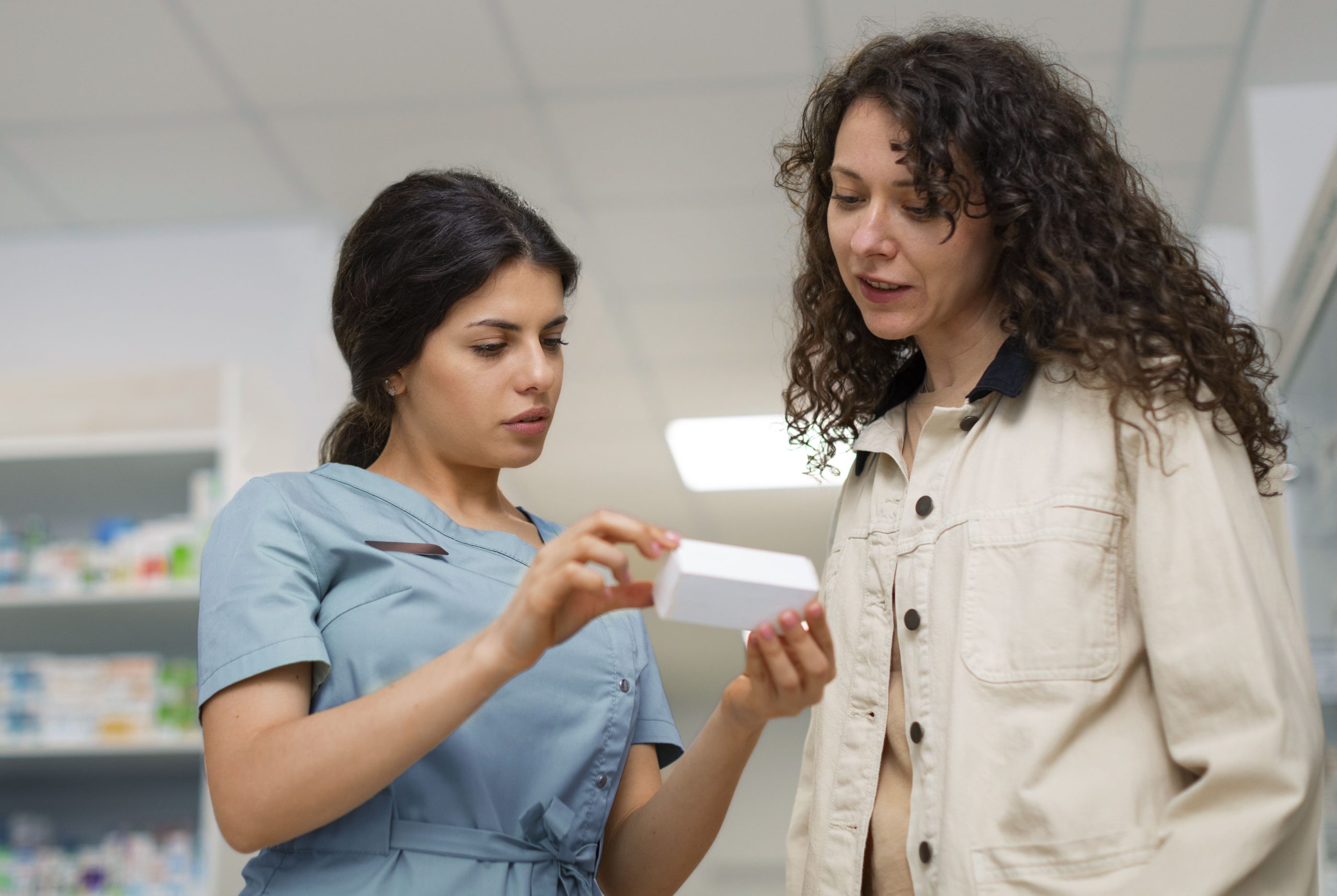
Label Claim Validation
Why : To back marketing claims with data (e.g., “paraben free,” “dermatologically tested”).
What we test : Ingredient verification, efficacy studies, compliance with BIS/Cosmetic Rules.
Who needs it : FMCG, cosmetic, and personal care brands.
Benefits of Testing with Prewel Labs
Regulatory Confidence
Testing as per BIS, ISO, FDA, and EU standards.
Accredited Accuracy
NABL certified lab with global best practices.
Digital Dashboard
Real time results, audit ready reports, and AI foresight.
Faster Approvals
Smooth compliance for domestic and export markets.
Brand Protection
Build consumer trust with transparent, validated safety.
Who We Serve
Cosmetic & Personal Care Brands
Skin care, hair care, baby products, makeup
FMCG Companies
Mass market beauty and hygiene products
Exporters
Compliance with EU, US FDA, and global cosmetic standards
Private Labels & Startups
New entrants launching innovative cosmetic products
Cosmetics Testing at a Glance
| Test Type | Why It Matters | Key Parameters | Who Needs It |
|---|---|---|---|
| Microbial Contamination | Prevents infections & spoilage | Bacteria, yeast, mold | Creams, lotions, shampoos |
| Heavy Metals | Detects toxic elements | Lead, cadmium, mercury, arsenic | Lipsticks, kajal, powders |
| Preservative Efficacy | Validates preservative system | Challenge test | All formulations with water |
| Stability & Shelf-Life | Ensures product safety over time | Physical, chemical, microbial stability | All cosmetic products |
| Safety & Toxicology | Confirms product is skin-safe | Patch tests, in-vitro toxicity | Baby care, sensitive skin products |
| Label Claim Validation | Builds credibility & compliance | Ingredient verification, efficacy | FMCG & cosmetic brands |
FAQs
How much sample is required for cosmetic testing?
Sample quantity varies by test:
- Microbiology: 50–100 g/ml
- Stability: 10–15 containers
- Challenge test: 6–12 units
- Heavy metals: 20–50 g/ml
We will tell you the exact quantity based on the test plan.
How should cosmetic samples be packed for testing?
Samples should be:
- Sealed in original packaging
- Labelled with batch number, MFG/EXP date
- Protected from heat and light during transport
Do you provide sample pickup?
Yes. Sample pickup is available, especially for bulk and urgent submissions.
Do cosmetics in India need BIS or CDSCO approval?
Yes. Depending on the product:
- Certain cosmetics (like hair dyes, skin creams) require BIS compliance.
- Imported cosmetics require CDSCO registration.
- All cosmetics must comply with Cosmetic Rules (India).
Are your cosmetic test reports accepted internationally?
Yes. Reports follow ISO, BIS, FDA, EU Cosmetic Regulation (EC 1223/2009) standards, making them suitable for export markets.
Do cosmetics need additional testing for EU or US markets?
Yes. Export markets may require:
- Safety Assessment (CPSR)
- Stability & compatibility testing
- Preservative efficacy
- Heavy metals & allergens screening
- Label compliance check
Can international clients send samples for testing?
Yes. We accept samples from overseas brands with guidance on customs, shipping, and compliance.
Do you support cosmetic product development or reformulation?
Yes. We work with brands, formulators, and startups to refine formulations, choose preservatives, and improve stability.
Can you help test prototype or small-batch products?
Yes. We support startups and private labels with prototype testing, safety screening, and early-stage stability studies.
Do you test pH, viscosity, or rheology of cosmetics?
Yes. These tests are essential for product performance, stability, and skin compatibility.
Can you test SPF for sunscreen products?
Yes. We provide SPF testing (in-vitro or in-vivo depending on requirement) as per BIS/ISO guidelines.
Do you check for allergens, fragrance components, or banned substances?
Yes. We test for restricted substances like:
- Hydroquinone
- Parabens
- Formaldehyde donors
- Fragrance allergens (limonene, linalool, etc.)
- Heavy metals
- Steroid adulteration
Do you check ingredient purity and active percentages?
Yes. Actives such as vitamin C, niacinamide, retinol, AHAs/BHAs, and plant extracts can be quantified.
What is the difference between real-time and accelerated stability testing?
- Real-time: Stored under normal conditions for 3–12 months.
- Accelerated: Exposed to higher temperature/humidity to predict long-term stability within weeks.
Do you perform batch release testing for cosmetic production?
Yes. We provide routine batch-wise tests for microbial limits, heavy metals, pH, viscosity, and label compliance.
How long does cosmetic testing take?
Typical timelines:
- Microbiology & heavy metals: 5-6 days
- pH/viscosity/actives: 2–4 days
- Challenge test: 28 days
- Stability test: Weeks to months depending on protocol
How much does cosmetic testing cost?
Costs depend on the test panel and formulation. Starter packages for small brands are available.
Do you offer consultation after the test report?
Yes. We explain results, compliance gaps, corrective actions, and reformulation suggestions.
Do you provide cosmetic testing services across India?
Yes. We work with brands in all major cities including Bengaluru, Mumbai, Delhi, Hyderabad, Chennai, Pune, and others.
Can you test products made by private labels or contract manufacturers?
Yes. We support private labels, white-label manufacturers, and OEMs with full compliance testing.
Do you work with global cosmetic brands?
Yes. We provide internationally compliant testing for brands exporting to the EU, US, Middle East, and Asia-Pacific regions.
Is my formulation kept confidential?
Absolutely. We maintain strict confidentiality and sign NDAs where requested.