






















Why Test Utilities?
Utilities like compressed air, gases, and steam are the hidden backbone of pharmaceutical, food, and healthcare operations.
If their quality is compromised, it can:
- Contaminate products and entire batches
- Lead to regulatory non-compliance and audit failures
- Cause costly recalls or production shutdowns
- Put patient and consumer safety at serious risk
Regular Utilities Testing Helps You Ensure:
Regular Utilities Testing Helps You Ensure:
- Compliance with GMP, ISO, USP, and other regulatory norms
- Reliable and consistent performance of production systems
- Reduced risk of contamination and non-conformance
- Peace of mind during audits and inspections
Types of Utility Testing We Provide
Compressed Air Testing
Why : Contaminated air comes into direct or indirect contact with products and can ruin batches.
What we test : Particulate matter, microbial load, dew point, oil aerosols, moisture content.
Who needs it : Pharma, medical device, and food & beverage plants.
Gas Testing (Process & Medical)
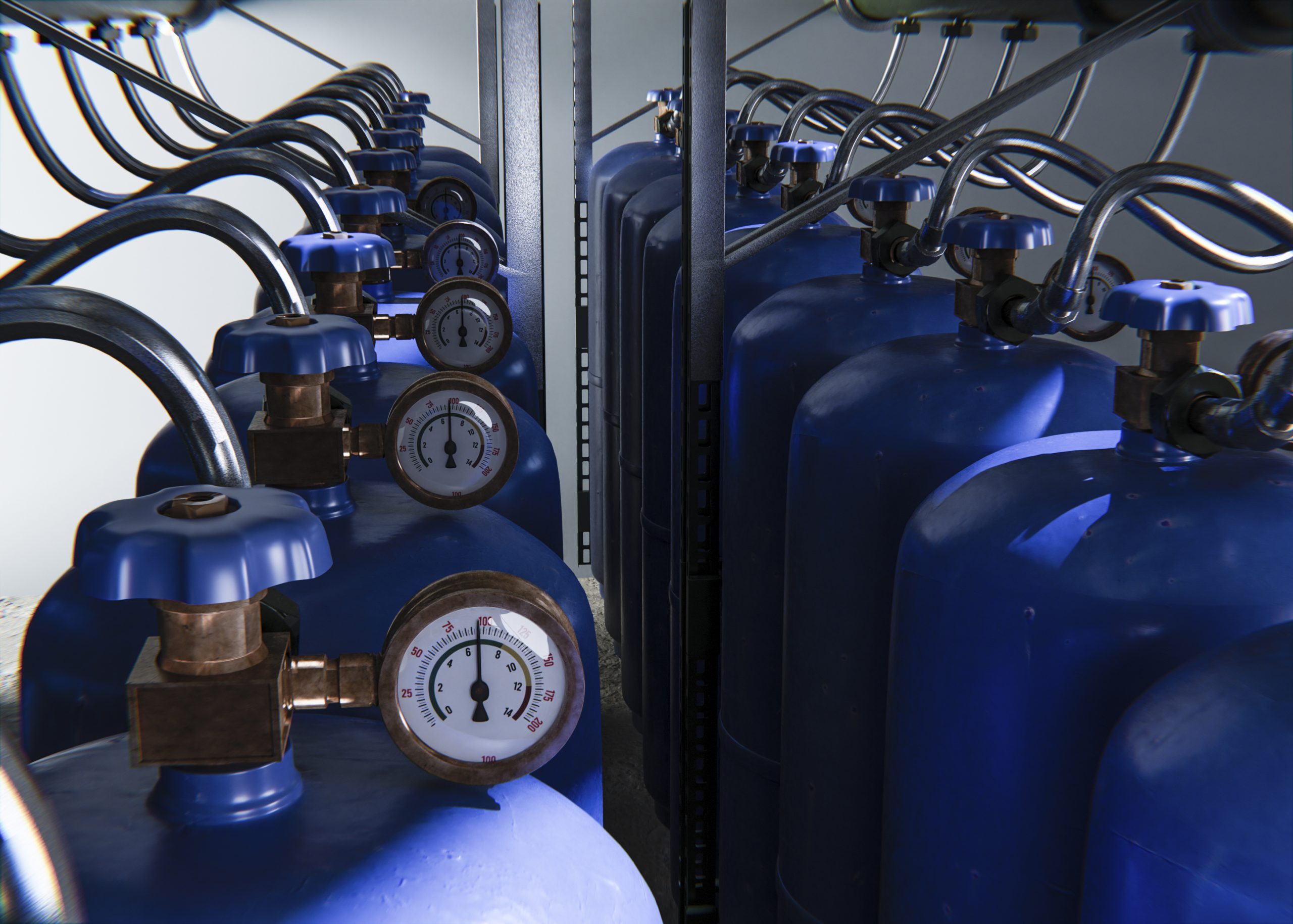
Why : Gases like nitrogen, oxygen, and CO2 must meet strict purity standards.
What we test : Purity, identity, hydrocarbons, moisture, microbial contamination.
Who needs it : Pharma, biotech, medical gas suppliers, hospitals, F&B industry.
Pure & Clean Steam Testing
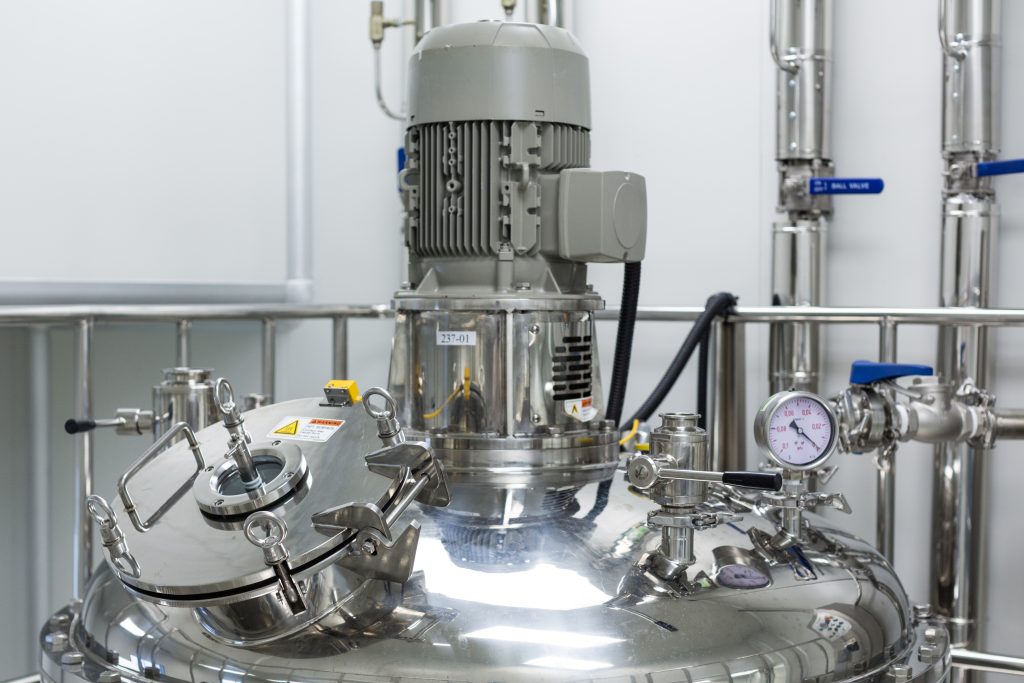
Why : Steam used in sterilization and CIP systems must be free of contaminants.
What we test : Non condensable gases, superheat, dryness fraction, conductivity, microbes.
Who needs it : Pharma, biotech, and medical device sterilization units.
Benefits of Testing with Prewel Labs
Compliance Assurance
Meet GMP, USP, ISO, and pharmacopeia standards.
Risk Prevention
Detect contamination before it reaches production or patients.
Audit Readiness
Digital, audit ready reports accessible anytime.
Specialist Expertise
Utilities testing designed for pharma, med tech, and F& industries.
Digital Dashboard
Real time insights and AI foresight for proactive risk management.
Who We Serve
Pharma & Biopharma Plants
Utilities for sterile and non sterile operations
Medical Device Manufacturers
Cleaning, sterilization, and compressed air testing
Food & Beverage Companies
Safe gases and compressed air for production line
Hospitals & Healthcare
Medical gases and sterilization steam
Utilities Testing at a Glance
| Utility Type | Why It Matters | Key Parameters | Who Needs It |
|---|---|---|---|
| Compressed Air | Prevents microbial & particulate contamination | Particulates, dew point, oil aerosols, microbes | Pharma, med tech, F&B |
| Process & Medical Gases | Ensures purity & product safety | Identity, purity, hydrocarbons, microbes | Pharma, hospitals, F&B |
| Pure & Clean Steam | Validates sterilization & CIP systems | NCG, dryness, superheat, conductivity, microbes | Pharma, med tech, healthcare |
FAQs
What is the purpose of utilities testing in regulated industries?
Utilities testing ensures that compressed air, gases, and steam used in production, cleaning, or sterilization processes do not introduce chemical, physical, or microbial contaminants into products or equipment.
How often should compressed air, gas, and steam be tested?
Frequency depends on risk and regulatory expectations, but most facilities follow:
- Compressed Air: Quarterly or bi-annually
- Process/Medical Gases: Annually
- Pure Steam: Bi-annually or annually or after major maintenance
A custom schedule can be created based on your QMS or audit history.
Who is responsible for collecting samples – your team or ours?
We offer both options:
- Our trained technicians can visit your facility for onsite sampling, or
- Your team can collect samples following our validated sampling procedure.
Do you provide onsite testing for utilities?
Yes. Many parameters such as microbial air sampling, dew point, NCG measurement, and steam dryness can be performed onsite to avoid delays and ensure immediate corrective action.
What equipment do you use for utilities testing?
We use calibrated and traceable instruments such as laser particle counters, dew point meters, oil aerosol detectors, microbial air samplers, and steam quality test kits compliant with USP, EN, ISO, and IS standards.
What industries need utilities testing?
Utilities testing is essential in:
- Medical device manufacturing
- Pharmaceutical manufacturing
- Food & beverage plants
- Cosmetics industry
- Biotech R&D facilities
- Hospitals & sterile processing departments
How long does utilities testing usually take?
Most onsite utility testing is completed within 2–4 hours, depending on the number of sampling points.
Microbial results may take 48–72 hours.
Will the testing interrupt our production?
No. Sampling is designed to be non-intrusive, and most tests can be carried out without shutting down production, unless your SOPs require isolation.
What documentation will we receive after testing?
You receive a comprehensive report including:
- Raw data
- Instrument calibration certificates
- Photographs of sampling points
- Deviation observations (if any)
- Interpretation based on regulatory limits
Can you help identify root causes if a utility fails the test?
Yes. Our experts provide root cause analysis (RCA) and recommend corrective actions such as filter replacement, desiccant regeneration, pipeline sanitization, or system redesign.
Do you test utilities across India?
Yes. We provide onsite compressed air, gas purity, and steam quality testing across all major industrial hubs in India, including:
Bengaluru, Hyderabad, Chennai, Mumbai, Pune, Goa, Ahmedabad, Delhi, and more.
Do you offer testing services for companies outside India?
Yes. We support international clients through:
- Sample shipment (where applicable)
- Virtual audits
- Onsite visits through partner laboratories
- Compliance reports aligned with global standards (USP, EP, ISO, IS, BS)
What standards are used for utilities testing?
We comply with:
- ISO 8573 (for compressed air)
- EN 285 (for steam sterilizers)
- Pharmacopeias (IP, EP, USP)
- GMP & WHO TRS guidelines
What are the common causes of utility contamination?
Some frequent issues include:
- Oil carryover from compressors
- Damaged or saturated filters
- Moisture build-up
- Rust or scale in pipelines
- Ineffective sterilizer steam traps
- Poor gas cylinder handling
We assist in identifying and correcting these problems.
How soon can results be provided?
- Most physical parameters: Same day
- Chemical parameters: 24–48 hours
- Microbiology: 48–72 hours
Emergency TAT can be provided for critical operations.
Do you help define sampling points for compressed air, gases, and steam?
Absolutely. We support clients in designing a sampling point layout based on risk level, pipeline length, point-of-use criticality, and regulatory expectations.
What happens if my compressed air system shows microbial contamination?
We help identify sources such as wet receivers, rust, damaged filters, or backflow, and guide corrective measures like sanitization, filter upgrades, or drain redesign.
Do you help with utility qualification documents like URS, SOPs, and protocols?
Yes. We assist in preparing URS, sampling SOPs, maintenance SOPs, and PQ protocols for utilities.
Can you test mixed or blended gases used in manufacturing?
Yes. We test blended gases such as carbogen, nitrous oxide mixtures, and special welding blends used in pharma and medical device manufacturing.
Do you test moisture in gases apart from dew point?
Yes. Moisture in gases is assessed using detector tubes, moisture analyzers, or trace moisture sensors depending on accuracy requirements.