
























Why Test Your Food?
Food is more than just taste, it’s about health, safety, and trust.
But in today’s world, food quality faces constant threats from:
- Nutritional mislabelling that misleads consumers
- Adulteration with unsafe or low-cost substitutes
- Toxic heavy metals and pesticide residues
- Microbial contamination that causes foodborne illnesses

Regular Food Testing Helps You Ensure:

Regular Food Testing Helps You Ensure:
- Protection of consumer health and brand integrity
- Compliance with FSSAI, ISO, HACCP, and international food safety standards
- Prevention of costly recalls and regulatory penalties
- Long-term trust through transparency and safe food practices
Types of Food Testing We Provide

Nutrient Testing
Why : Accurate labeling is legally required and builds consumer trust.
What we test : Proteins, carbs, fats, fiber, vitamins, minerals, calorific value.
Who needs it : Packaged food brands, nutraceuticals, health supplements.

Adulterant Testing
Why : Adulteration is one of the biggest risks in India’s food chain.
What we test : Common adulterants in milk, oil, spices, honey, pulses, etc.
Who needs it : FMCG brands, restaurants, suppliers, exporters.

Heavy Metals Testing
Why : Even small traces of metals like lead, arsenic, or cadmium can harm health.
What we test : Lead, cadmium, mercury, arsenic, chromium.
Who needs it : Food processors, exporters, regulators.
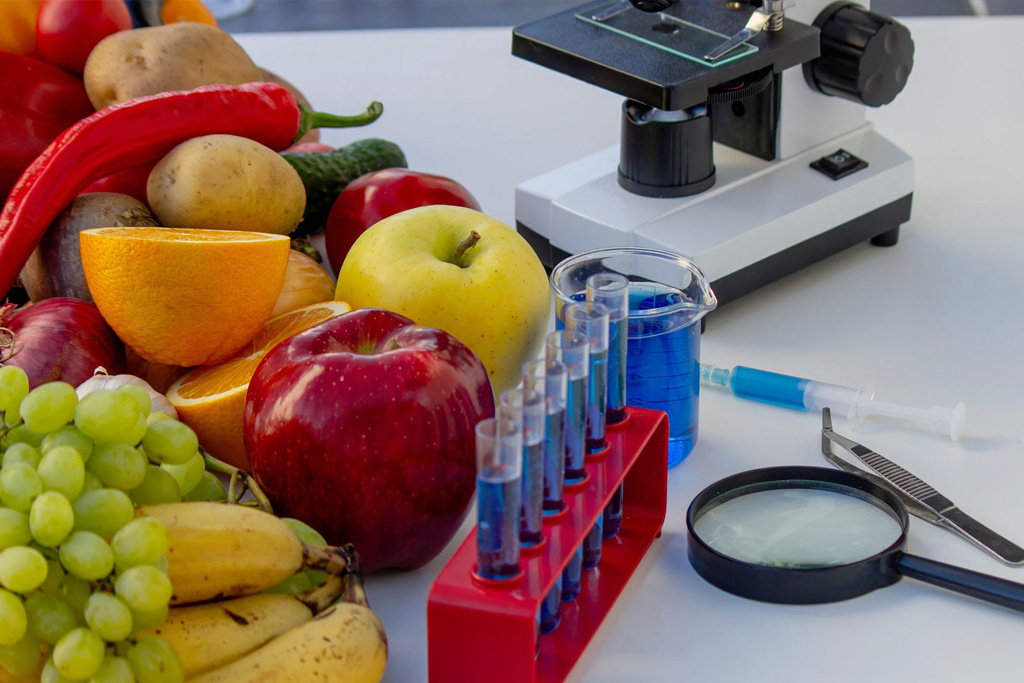
Pesticide Residue Testing
Why : Excess pesticide residues are a top reason for food export rejections.
What we test : Organochlorines, organophosphates, carbamates, pyrethroids.
Who needs it : Agriculture, fresh produce suppliers, packaged food exporters.
Microbial Contamination Testing
Why : Pathogens are the #1 cause of foodborne illness and brand damage.
What we test : E. coli, Salmonella, Listeria, coliforms, yeast & mold.
Who needs it : Food processors, hotels, cloud kitchens, cold chains.
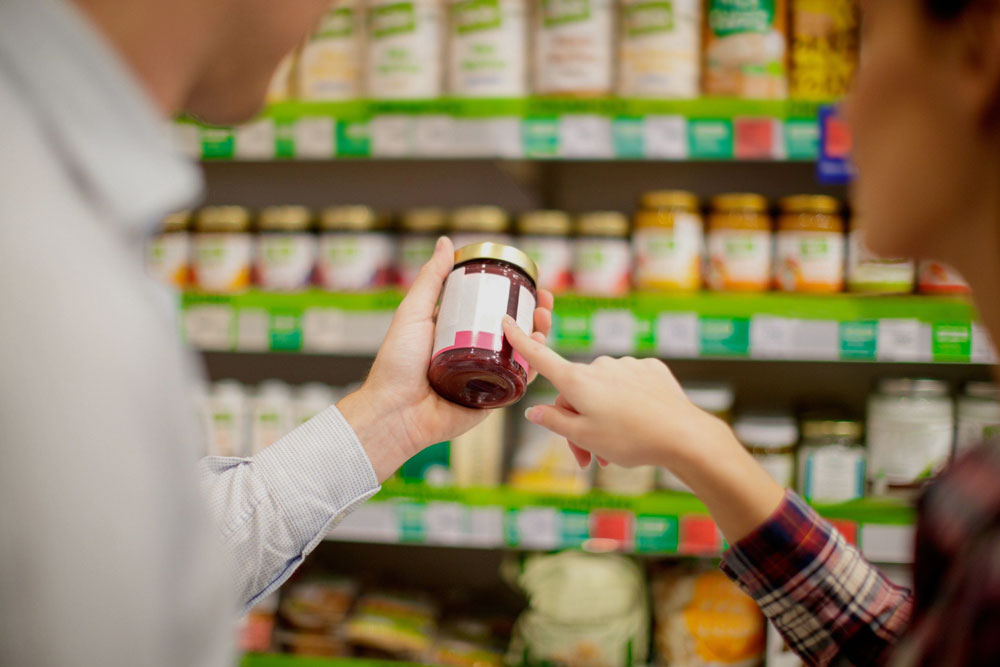
Shelf Life Testing
Why : Ensures your product stays safe and high quality throughout its intended storage period.
What we test : Stability, taste, texture, color, and microbial growth over time.
Who needs it : Food brands, manufacturers, exporters, and retailers.
Benefits of Food Testing with Prewel Labs
Accredited Testing
NABL certified lab with global food safety standards.
Digital Dashboard
Real time results, audit ready reports, and AI foresight.
Risk Prevention
Detect problems before they reach consumers.
Compliance Ready
Meet FSSAI, Codex, ISO, and export regulations.
Brand Protection
Transparency builds consumer trust and loyalty.
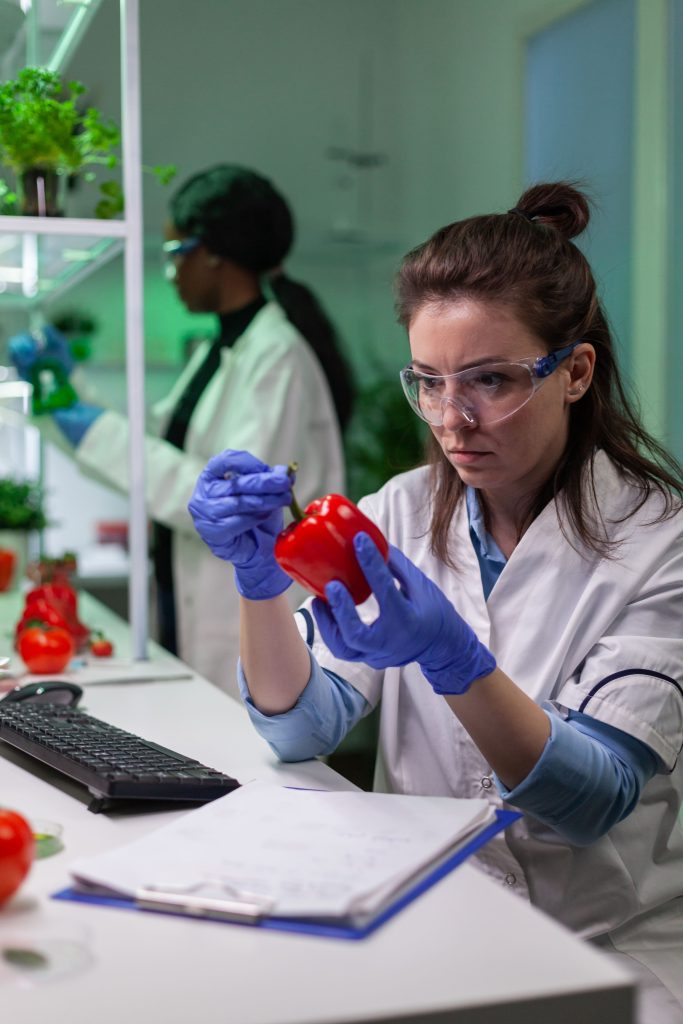
Who We Serve
Food & Beverage Brands
Packaged food, nutraceuticals, beverages
Restaurants & Cloud Kitchens
Compliance, hygiene, and safety audits
Exporters & Agriculture
Produce, processed foods, and bulk shipments
Hospitality & Retail Chains
Hotels, QSRs, supermarkets
Food Testing at a Glance
| Type of Test | Why It Matters | Key Parameters | Who Needs It |
|---|---|---|---|
| Nutrient Testing | Accurate labeling, consumer trust, legal compliance | Protein, fat, carbs, fiber, vitamins, minerals, calories | Packaged food, nutraceuticals, beverages |
| Adulterant Testing | Prevents fraud, health risks, brand damage | Milk, oils, spices, honey, pulses, grains | FMCG brands, restaurants, suppliers |
| Heavy Metals Testing | Detects toxic exposure | Lead, cadmium, mercury, arsenic | Food processors, exporters |
| Pesticide Residues | Ensures food safety & export compliance | Organochlorines, organophosphates, carbamates | Farmers, exporters, food brands |
| Microbial Contamination | Prevents foodborne illness | Salmonella, Listeria, E. coli, yeast, mold | Restaurants, kitchens, cold chains |
FAQs
What types of tests are done on food?
- Microbiological testing: Total plate count, yeast & mold, pathogens (E. coli, Salmonella, Listeria) etc.
- Chemical testing: Nutrients, preservatives, colourants, additives, pH, moisture, ash, fats, sugars.
- Adulteration testing: Urea in milk, artificial colours, starch, synthetic preservatives.
- Heavy metals: Lead, arsenic, cadmium, mercury.
- Pesticides & antibiotics: For fruits, vegetables, milk, chicken, and honey.
- Shelf-life testing- Real time
- Nutritional labelling as per FSSAI.
How do I know which tests are required for my food product?
Tests depend on the product category.
- Dairy
- Spices & masalas
- Bakery & confectionery
- Edible oils
- Meat & poultry
- Packaged beverages
- Ready-to-eat foods
Do you perform FSSAI-mandatory tests?
Yes. We follow FSSAI, ISO, Codex, and BIS standards.
How much sample is needed for testing?
Typically, 100–500 grams depending on the test parameters. Liquids may require 200–500 ml.
Who collects the samples?
We can arrange pickup, or you can deliver samples following proper packaging and temperature guidelines.
How should samples be packed?
Samples must be:
- Properly sealed
- Labelled clearly
- Stored at appropriate temperature (cold chain for perishable items)
What is shelf-life testing and how long does it take?
Shelf-life testing determines how long a product stays safe and stable. It can take 7 days to several months depending on the product.
How long does food testing take?
- Basic tests: 2–4 working days
- Microbiology: 5-7 working days
- Nutritional label tests: 6-7 working days
- Shelf-life: depends on duration selected
Will I get a NABL-accredited report?
Yes, we provide NABL-accredited for the specific parameters.
Can you help with product registration or FSSAI compliance?
Yes. We also assist with documentation, FoSCoS support, and compliance guidance.
What happens if my product fails the test?
We will suggest corrective actions such as adjusting improving hygiene or modifying processing conditions.
What certifications do you follow apart from NABL?
We follow:
- ISO/IEC standards
- Codex Alimentarius guidelines
- FSSAI methods
- AOAC, APHA, and BIS methods wherever applicable
Are artificial colours and preservatives allowed?
Yes, but only within FSSAI-specified limits. Testing ensures they are within permissible ranges.
Do you offer corporate or bulk pricing?
Yes. Regular testing customers get customised pricing.
Do you provide food sample pickup services?
Yes, depending on location.
Can you detect food adulteration (like in milk, masala, ghee)?
Yes. Specific tests detect urea, detergent, starch, artificial colours, mineral oil, and many other adulterants.
Do you provide consultation after the food test reports?
Yes. Our team explains the results, compliance requirements, root causes, and corrective actions so you can improve product quality and avoid regulatory issues.
How do you ensure sample confidentiality?
We maintain strict confidentiality protocols for all client products and data. Only authorized personnel have access to your reports.
Are your food testing reports internationally accepted?
Yes. Our reports follow ISO, Codex, and globally accepted testing methods, making them suitable for compliance, audits, and export documentation.
Is food testing required for trial batches or pilot-scale production?
Yes. Testing pilot batches helps validate formulations, processing parameters, and shelf-life assumptions before full-scale manufacturing and market launch.
Do food test results vary based on season or sourcing location?
Yes. Seasonal changes affect pesticide residues, microbial load, moisture content, and nutrient levels especially in milk, fruits, vegetables, grains, and spices.
Does changing packaging material require re-testing of the food product?
Yes. Any change in packaging (plastic type, laminate, coating) can affect migration, shelf-life, and microbial stability and should be validated through testing.