
























Environmental Monitoring Trending in Pharmaceutical Manufacturing: Why One Isolate Is Never Just One Isolate
Is your environmental monitoring (EM) program actually strengthening your contamination control strategy or is it just generating paperwork that gets filed and forgotten?
That question matters more than it might seem. A single compliant result can hide a recurring problem, and if nobody connects the dots across monitoring cycles, that problem can persist for months without ever triggering a real investigation.
The Scenario: When “Within Limits” Isn’t the Whole Story
Picture a routine review of EM results after an aseptic manufacturing campaign.
A settle plate recovers a single microbial colony. The count falls within both alert and action limits, so the result is documented and the investigation is closed. Nothing unusual this is exactly how a compliant EM program is supposed to work when a result is genuinely isolated.
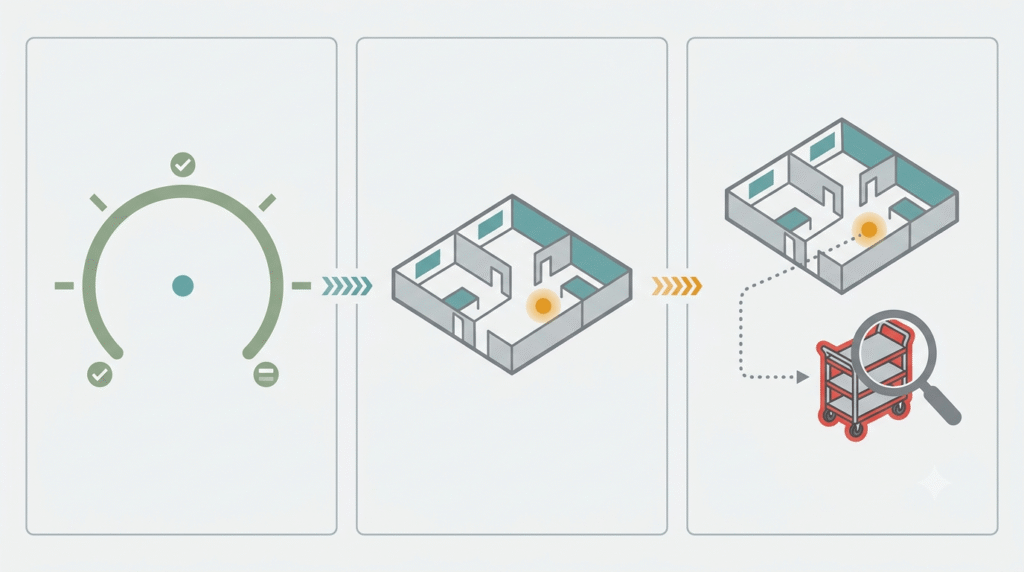
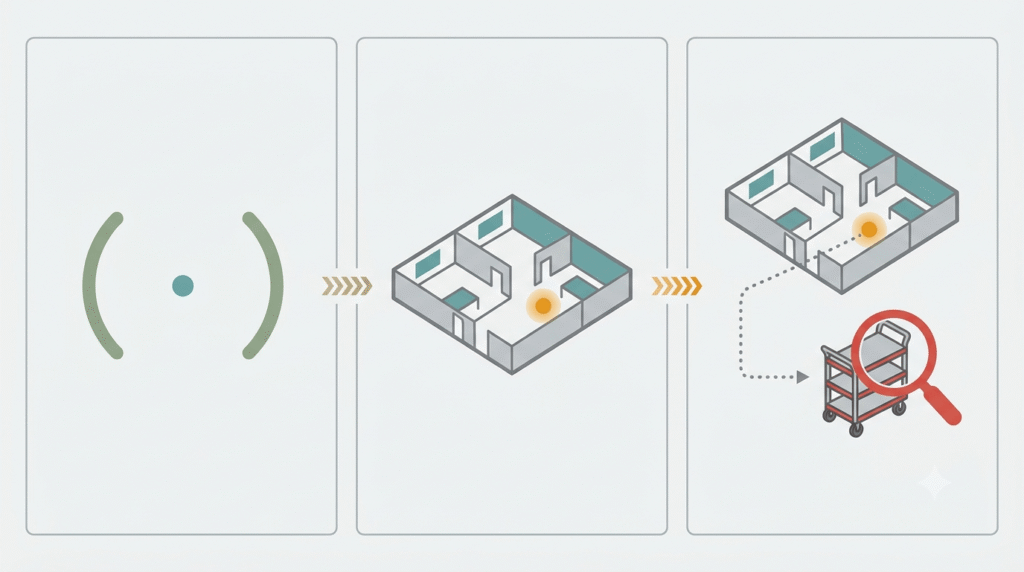
A month later, though, the same microorganism turns up again same location, same type of finding. Then it appears once more during the next monitoring cycle.
Looked at individually, each of these three results is compliant. Each one, on its own, would justify closing the investigation with no further action. But that’s precisely the risk: reviewing results one at a time can mask a pattern that only becomes visible when the isolates are identified and trended together over time.
Why Isolate Identification and Trending Change the Picture
Once the recurring isolate is identified and mapped across monitoring events, a pattern emerges that a single-result review would never catch. In the scenario above, that trend leads investigators to the real source: a transfer trolley with hard-to-clean surfaces that let the microorganism persist despite routine cleaning.
Once that root cause is identified, the fix is targeted improving the cleaning procedure and the equipment design rather than repeatedly documenting isolated hits that never quite cross an action limit. After the correction, the recurring isolate stops appearing altogether.
This is the core difference between counting colony-forming units (CFUs) and actually managing contamination risk: a CFU count tells you whether one result passed. Trending tells you whether your facility has a persistent, hidden source of contamination.
A Simple Way to Think About It
Consider a small water leak in a home. One damp spot might seem harmless enough to just wipe away. But if that same spot keeps reappearing, the real issue was never the stain it’s the hidden leak behind the wall. Wiping the stain does nothing to fix the underlying problem. Repairing the leak does.
Environmental isolates behave the same way. A single isolate may look insignificant in isolation, but repeated recovery of the same microorganism especially from the same location can reveal an underlying contamination source that routine, result-by-result review will miss.
Read More: Benefits of hold time study in disinfectants efficacy study
How This Connects to EU GMP Annex 1 and the Contamination Control Strategy
This isn’t just good practice it’s consistent with the direction set by the revised EU GMP Annex 1 (2022), which restructured how sterile manufacturers are expected to think about contamination control.
Rather than treating cleanroom classification, monitoring, gowning, and cleaning as separate, siloed checkboxes, Annex 1 established the Contamination Control Strategy (CCS) as the organizing principle that ties all of these elements together, supported by Quality Risk Management (QRM) as a central concept for defining processes, limits, and controls. Under this framework, environmental monitoring isn’t just a periodic compliance check it’s meant to be data-driven and demonstrably linked to the facility’s broader risk-based controls.
That’s exactly what trending accomplishes. Microbial identification and trend analysis over time help uncover contamination sources and support:
- Root cause investigations tracing recurring isolates back to their actual origin (equipment, surfaces, personnel practices, etc.) rather than treating each event as unrelated
- Effective CAPA (Corrective and Preventive Action) targeting the real source of contamination instead of repeatedly addressing symptoms
- Continuous improvement of the CCS using EM data as ongoing evidence that the strategy is working, and as an early signal when it needs to be revisited
The Takeaway: An Isolate Is More Than a Lab Result
An environmental isolate is more than a single laboratory data point. When it’s identified and trended over time, it can provide an early warning of contamination risk before that risk ever reaches product quality or patient safety which is the entire point of a well-run EM program in the first place.
FAQ: Environmental Monitoring Trending and Contamination Control
Q: What is environmental monitoring (EM) trending in pharmaceutical manufacturing?
A: EM trending means tracking and identifying microbial isolates recovered during monitoring over time by organism, location, and frequency rather than reviewing each result in isolation. This makes it possible to spot recurring patterns that a single compliant result wouldn’t reveal.
Q: Why can a compliant EM result still be a problem?
A: A result within alert and action limits is compliant by definition, but if the same microorganism keeps recurring at the same location across multiple monitoring cycles, that repetition can point to an underlying, persistent contamination source even though no single result ever breached a limit.
Q: How does EM trending relate to a Contamination Control Strategy (CCS)?
A: Under the revised EU GMP Annex 1 (2022), the CCS is the central, holistic framework tying together facility design, cleaning, personnel practices, and monitoring. EM trend data is one of the key inputs that demonstrates whether the CCS is actually working and where it needs to be strengthened.
Q: What role does microbial identification play in contamination control?
A: Identifying isolates down to the organism level (rather than just counting colonies) is what makes trending possible. Without identification, you can’t tell whether recurring hits at a location are the same organism the signal that points investigators toward a root cause.
Q: What’s an example of a root cause uncovered through EM trending?
A: In the scenario above, repeated recovery of the same microorganism from the same location was traced to a transfer trolley with hard-to-clean surfaces. Once the cleaning procedure and equipment design were improved, the recurring isolate was no longer detected.